
Articles
Commentary

What’s One Costly Assumption in Logistics or Supply Chain Management?
Treating turnover as a normal expense. Losing skilled people disrupts workflows, slows productivity, and increases recruiting and training costs. A better approach is investing in retention as an operational strategy—strong leadership, clear career paths, and engagement systems. Keeping great talent is far cheaper and helps protect service levels, culture, and supply chain stability. –Rebecca Wilson […]
Read More
How Adaptable Fulfillment Networks Strengthen Supply Chain Resiliency
Brian Mattingly, Executive Vice President, Operations at Saddle Creek Logistics Services, explains why resilient supply chains are now a cost-control strategy and a competitive advantage. Q. Why is supply chain resiliency so important right now? A. Supply chain resiliency is important because disruption is no longer an occasional event. It is part of the operating […]
Read More
Ecommerce Networks: An Insider’s View
A few years ago, I sat with a midmarket retailer who admitted something I hear more often than most people might expect: “We built our network for a world that doesn’t exist anymore.”
Read More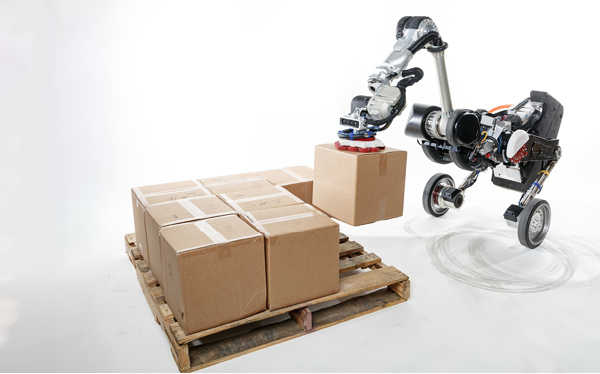
You Diversified Your Suppliers, But What About Your Robots?
We often think about supply chain risk as something that happens upstream: an extreme weather event delaying a shipment from a single-source supplier or a carrier battling a data breach. That’s no longer the whole picture here. There are risks just as serious much closer to home.
Read More
Macrologistics & Micrologistics: A Modern Framework for Unlocking Logistics Performance
In today’s competitive landscape, logistics has evolved from a back‑office necessity into one of the most powerful levers for business performance and differentiation. Yet despite its potential, many organizations still struggle to extract meaningful value from their logistics operations. The reason is straightforward: logistics is often treated as a single, monolithic function—broad, complex, and difficult […]
Read More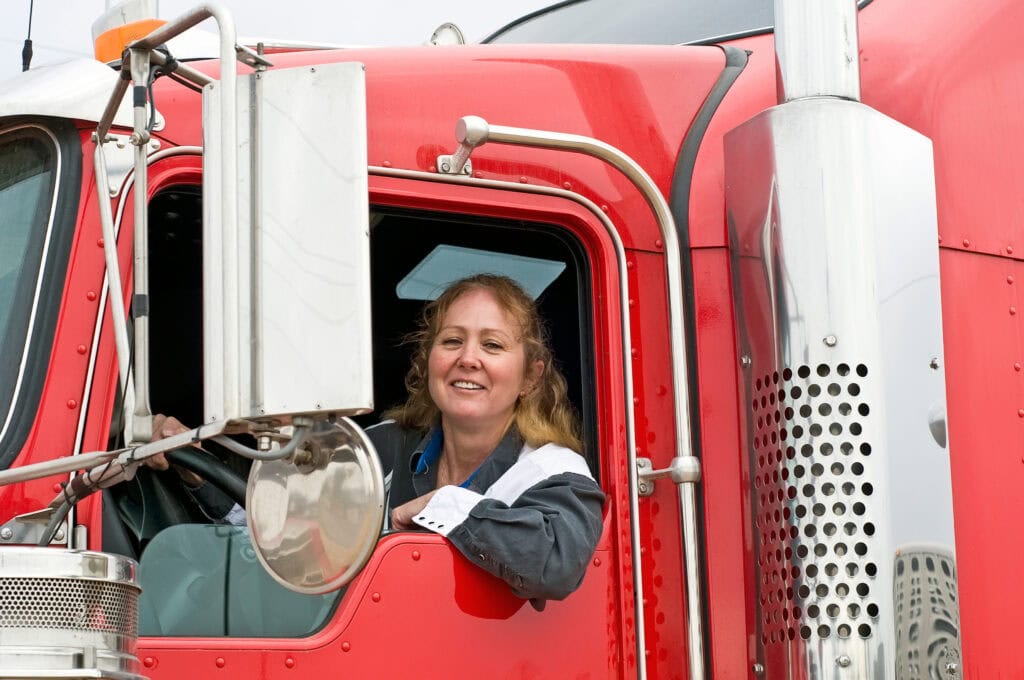
1 in 6 Women Truckers Experience Harassment. These Truck Stops Are Doing Something About It.
Data shows truck stops are the most common site of harassment against women drivers. WIM and Trucker Path are using technology and $200 million in federal backing to make stopping safer for women on the road.
Read More
Supply Chain Tech Landscape: From Resilience to Orchestration
The deep integration of artificial intelligence as a “system of action” is the most significant shift revealed in Inbound Logistics’ annual supply chain technology survey. No longer is AI a standalone feature; it has become the bedrock of enterprise execution. That shift reflects in this year’s Top 100 Logistics & Supply Chain Technology Providers. Aera […]
Read More
Could UK Exporters Really Lose a Shipment Over a Hyphen?
A small formatting detail could create big border delays in 2026. U.S. authorities have stepped up enforcement of ISPM 15 pallet stamp formatting, meaning one missing hyphen could trigger inspections and unexpected costs for exporters.
Read More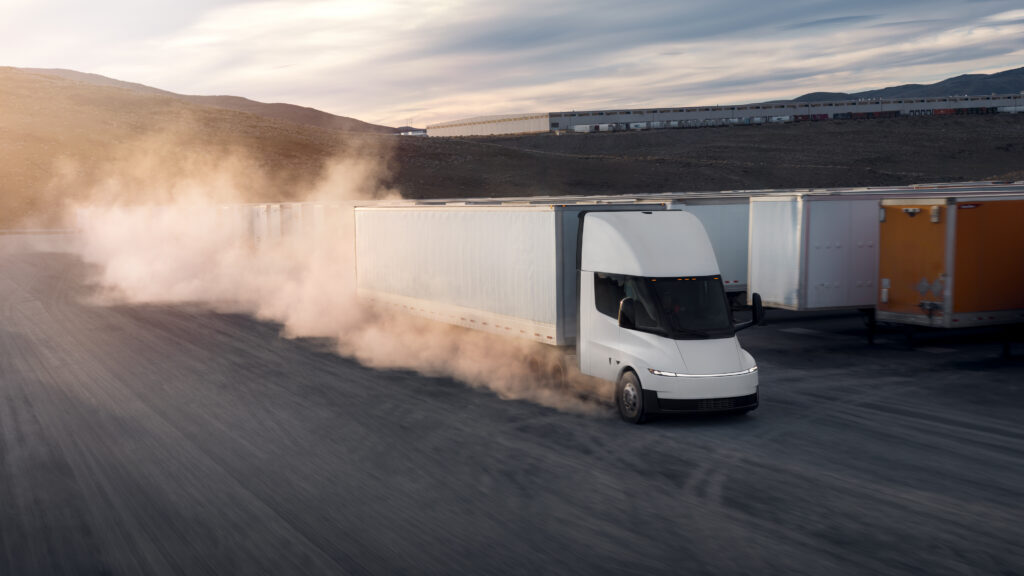
Tesla Semi Enters Production as Diesel’s Cost Advantage Collapses
Tesla’s electric Class 8 truck is entering production just as diesel’s cost advantage erodes, forcing fleets to rethink the economics of long-haul freight.
Read More
3 Pillars of a Resilient Supply Chain
Rapidly evolving business dynamics, coupled with rising costs and labor constraints, have underscored the critical need for a resilient supply chain. A fully connected, technology-driven infrastructure strategy is required to maintain market share and successfully navigating this challenge requires an integrated approach anchored by three core pillars.
Read More
When Will We Start Seeing Fully Autonomous Supply Chains?
100% Autonomous? Up in the Air Trick question. Full autonomy is likely already happening in some small pockets of the global economy. Scale is the real variable. Agentic AI is collapsing timelines fast: By 2030 the tech is ready and deployed for most routine decisions. However, 100% autonomy at scale takes decades: Human organizations change […]
Read More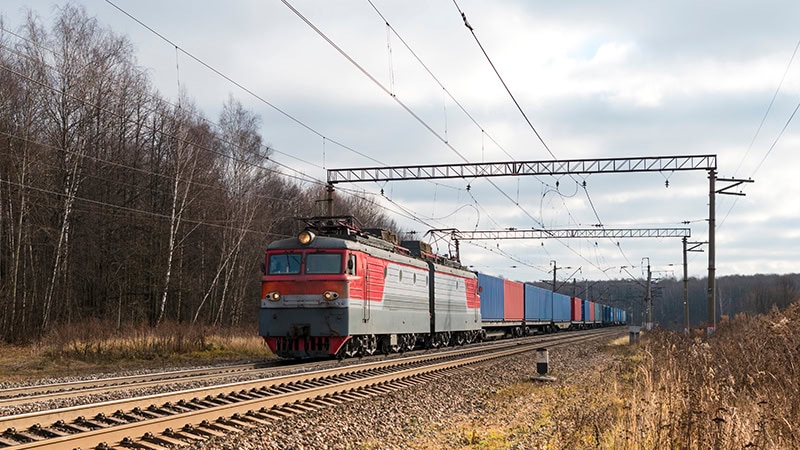
Rusting Russian Rail Link
For decades, Russian rail corridors were marketed to global customers importing product from Russia as the “reliable middle ground” between slow ocean freight and expensive air cargo. However, the backbone of Russian Eurasian land-bridge logistics isn’t faring well.
Read More
Rewiring the Supply Chain for the AI Era
AI promises a level of precision and agility that traditional systems simply cannot achieve. While this technology’s potential is enormous, the question remains: Are supply chains truly prepared to embrace it?
Read More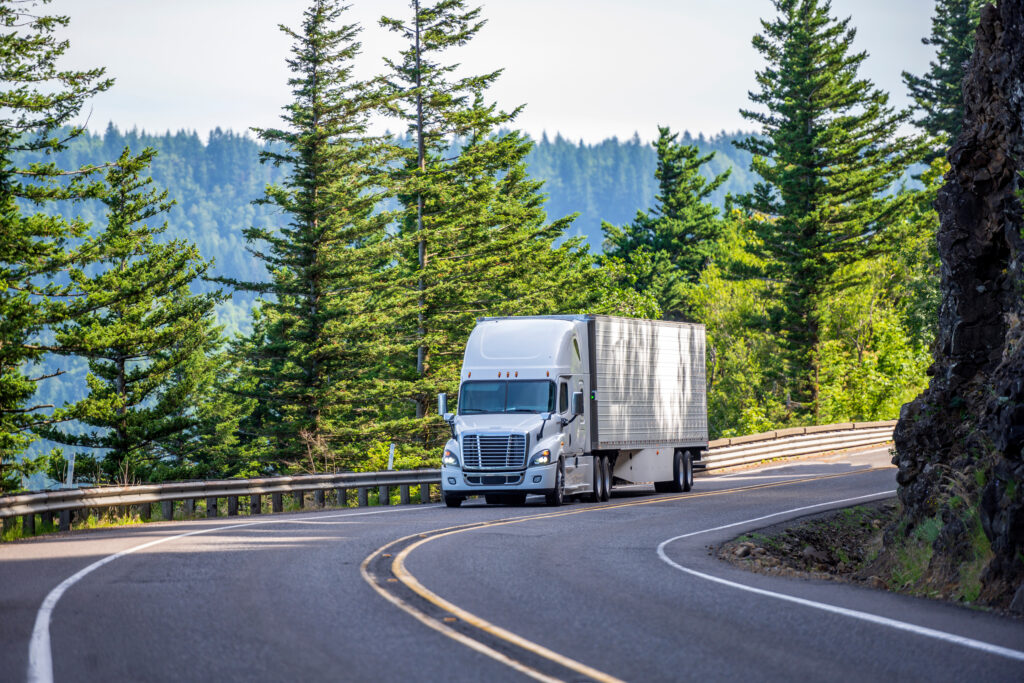
Improving Highway Safety: Beyond the Blame Game
The notion that freight brokers should be responsible for evaluating carrier safety is not only unrealistic but counterproductive. This issue goes beyond liability debates. Clarity, accountability, and a focused commitment to reforms can make highways safer for everyone.
Read More
Shifting Your Data Strategy
Global supply chains are entering a new era where traditional supplier audits and annual assessments are no longer enough. Supply chain leaders must adopt real-time supplier intelligence, continuous monitoring, and AI-driven risk scoring to stay ahead of disruption.
Read More
Who’s Making an Impact? Nominations Open for ALAN’s 2026 Humanitarian Logistics Awards
Nominations are now open for ALAN’s 2026 Humanitarian Logistics Awards, recognizing companies and individuals making a difference in disaster relief. Learn who’s eligible, key deadlines, and how to submit a nomination.
Read More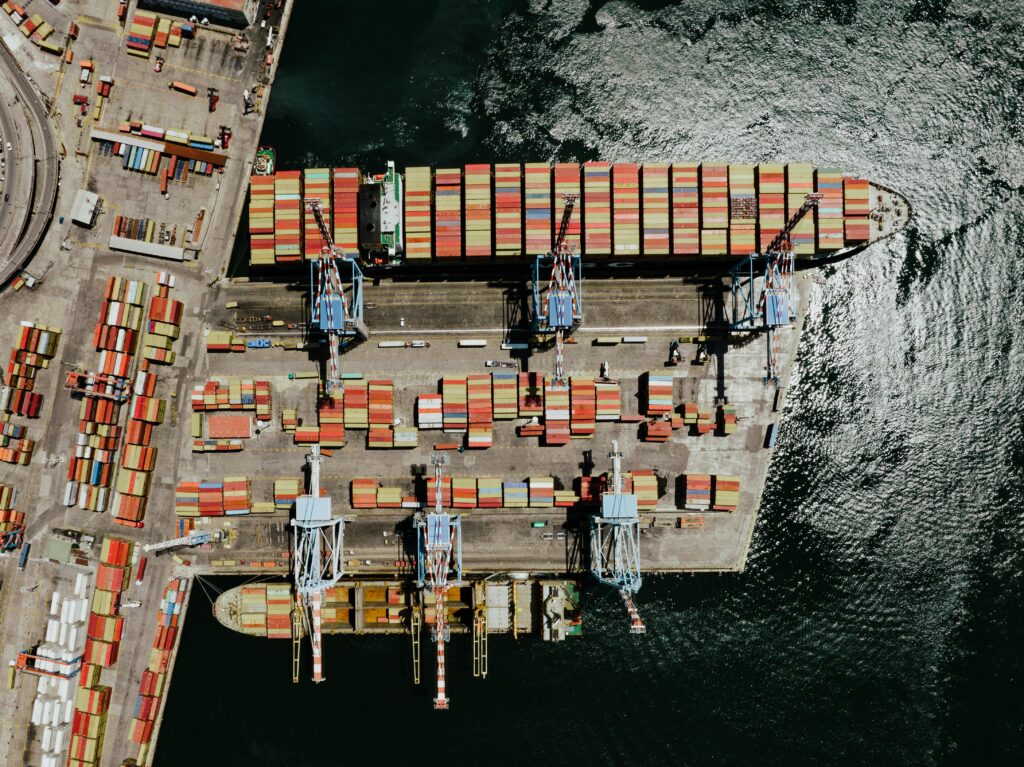
Freight Mode Optimization: When to Shift Between Road, Sea, and Air in a Volatile Market
Freight markets remain unpredictable, with rates fluctuating, capacity tightening, and disruption affecting all modes at different times. For businesses moving goods within the UK and internationally, transport decisions can no longer be treated as fixed. They require regular review and adjustment in line with changing conditions. What Is Freight Mode Optimization? Freight mode optimization refers […]
Read More
You’re Pitching a Cargo Heist Movie. What’s the Title and Plot Synopsis?
THE DRINKS ARE ON THEM: A wisecracking trucker and misfit crew swipe limited-edition glow-in-the-dark tequila, livestreaming their clout-chasing escape. A relentless sheriff is on their tail while fan meetups and stunt gags snowball. Their bumbling hype-man geotags the hideout for a brand deal. Cops crash the party instead, turning neon toasts into silver cuffs.
WRITTEN BY Ann Stawski
DIRECTOR OF Marketing & Communications
Odyssey Logistics

The Next Great Convergence in Global Commerce: DPP, Ambient IoT, and GS1
Global businesses are standing at the edge of a new era in supply chain visibility and product intelligence. As the European Union begins implementing Digital Product Passport (DPP) requirements across key sectors, companies must prepare for a future in which every product is expected to carry a dynamic, digital record of its lifecycle. These mandates are already influencing how products are being designed, manufactured, tracked, and verified across global supply chains.
Read More
Building an Automation-Ready Warehouse Workforce in a Volatile Labor Market
Why workforce readiness—not technology alone—has become the defining factor in warehouse resilience.
Read More