

Sometimes It’s Better Not to Be So Pushy
Supply chain processes fall into one of two categories: pull systems, where a company initiates execution in response to a customer order (reactive) and push systems, where execution is initiated in anticipation of customer orders (speculative). The boundary that separates push processes from pull processes is one measure of a supply chain’s “lean-ness”—the farther upstream […]
Read More
5 Ways to Improve Fulfillment Center Efficiency
To capitalize on the e-commerce boom, fulfillment centers—which are different from distribution centers in that they do not distribute inventory but fulfill customer demand in either B2B or B2C businesses—need to scale and react nimbly and agily. Fulfillment centers must also be as efficient as possible to maximize customer satisfaction. Fulfillment centers do not generate […]
Read More
The Amazon Effect: No Longer a Phantom Menace
Retailers strike back at the Amazon empire by providing e-commerce customers with same-day and faster delivery.
Read More
Transportation Trends: Turn up the Air
The airfreight market has been flying high, but headwinds persist.
Read More
Stop, Look, Listen
We all know the best way to approach an unguarded railroad crossing is to stop, look, and listen. That same advice applies when examing the economy, which will likely roar through 2018 at full speed. While it is tempting to climb aboard and enjoy the ride, that is the exact wrong approach from a supply […]
Read More
New Pallet Program Better by Half
Fun food manufacturer Jel Sert finds pooled half-pallets provide full supply chain benefits.
Read More
Supply Chain Commentary: What Shippers Need to Know About Market Tightness
After a two-year slide in transportation prices, the logistics sector is experiencing capacity constraints and historically high and enduring truckload volumes. As we head into peak shipping season, rates have been rising significantly, particularly in the wake of hurricanes Harvey and Irma. Shippers can expect this trend to continue into 2018. The market isn’t likely […]
Read MoreSurvey: Customers Place a High Priority on On-Time Holiday Shipping
27 percent of U.S. customers would rather get a root canal than have personal holiday shipments come late, according to a DHL holiday customer survey that reveals on-time shipments are a high priority. The survey helps to better understands customer trends and challenges this holiday season, and uncovered key business priorities for the holidays, and how they […]
Read MoreDos and Don’ts for Storing Temperature Sensitive Medicines
The UK Medicine and Health Products Regulatory Agency (MHRA) identified crucial mistakes in how wholesalers source and handle freezers and fridges used to store medicines. MHRA says the main metrics to measure when sourcing GDP qualified equipment are: The purpose – is it to store cold packs to be used in transit or to host frozen products? Temperature bracket required Capacity […]
Read More
Is Supply Chain Planning Right for the Cloud?
The explosive growth of data that today’s supply chain teams must manage creates challenges even for the most seasoned professionals. Manufacturers, retailers, and distributors need agile systems that help manage and simplify complexity. However, one of the biggest hurdles today’s organizations face is gaining executive approval to implement an advanced supply chain planning system. Is […]
Read More
Panama Canal Expansion Hits the Big Time
Two Great Pyramids of Giza, four Big Bens, eight Statues of Liberty. Lay them end to end, and you’ve got the equivalent length of the CMA CGM Theodore Roosevelt, the largest capacity vessel to ever transit the Panama Canal’s expanded locks. At 1,228 feet long, the Neopanamax containership has a total capacity of 14,414 TEUs. […]
Read MoreFacts About Friction
The average U.S. business loses $171,340 per year through clunky payment practices causing friction in their supply chain, according to new research by Tungsten Network. This equates to almost 6,500 man hours spent chasing purchase order numbers, processing paper invoices, and responding to supplier inquiries. Businesses estimate they spend an average of 55 hours per […]
Read MoreSupply Chain Commentary: Out Darn Spot! Out, I Say!
The comic Steven Wright once joked, “I spilled spot remover all over my dog. Now he’s gone.” For shippers who regularly leverage the spot market, it’s been a buyer’s market the past few years. One shipper I’ve worked with saved more than 9 percent on freight spend simply by moving away from only using brokers […]
Read More
Urban Logistics: You Can’t Fight City Haul
The impact of urbanization—population increases in cities and towns as opposed to rural areas—on business growth and sustainability concerns nearly all companies surveyed in The Road to Sustainable Urban Logistics, a new report by UPS and GreenBiz Group. However, only 47 percent feel prepared to address the associated business challenges, according to the survey. Further, […]
Read MoreWhy the Rise of the 4PL Is Good News for Your Business
On-demand delivery, trade uncertainties, siloed information…for today’s supply chain managers, the list of concerns is long. Current industry and geopolitical trends are complicating matters further. Companies are juggling more products and suppliers, leaving supply chains increasingly vulnerable to disruption. In the grocery industry alone, the average number of SKUs skyrocketed from 9,000 in the 1970s […]
Read More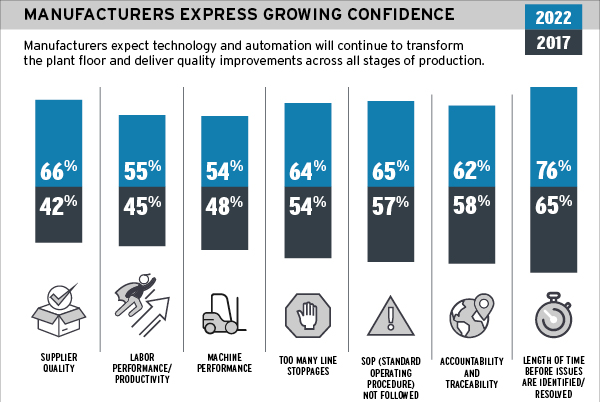
Manufacturers Take to Technology, Automation
Driven by globalization, intensifying competition, and rising customer demand for more options and higher quality products, a connected plant floor has become a necessity. As a result, manufacturers are adopting the Industrial Internet of Things (IIoT) to enhance visibility and improve quality, with the number of organizations achieving a fully connected factory expected to rise […]
Read More
Staffing Your Warehouse: Addressing Hidden Risks
The warehousing sector and staffing industry depend on each other. In fact, they are so closely tied that the Department of Labor often considers warehouses and staffing companies “joint employers.” The rules for being a joint employer significantly increase the risks and exposures otherwise thought to be transferred to the staffing agency. Payroll Taxes Did […]
Read More