
Articles
Content Partners

How to Build a Safety-Driven Culture
Safety goes beyond compliance. When employees stay engaged, recognize hazards, and look out for one another, safety becomes part of the culture.
Read More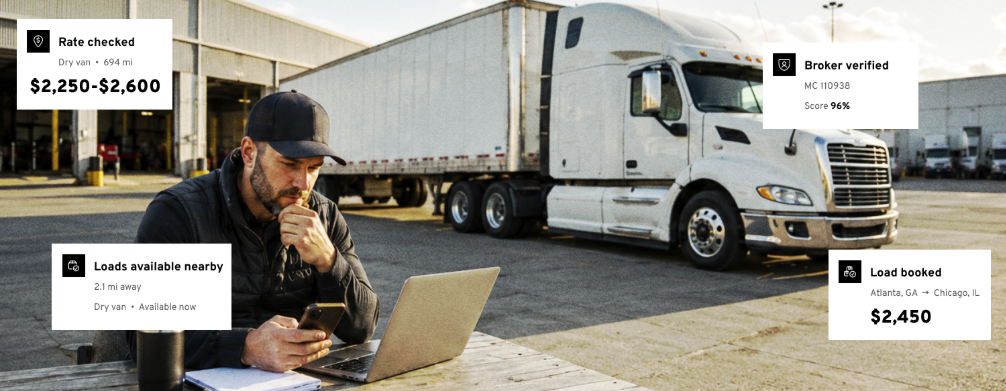
Don’t Live and Die on One Load Board
The future is about connecting more of the freight ecosystem so brokers don’t have to live and die on one source of capacity.
Read More
Why Carrier Costing Is Becoming Core Logistics Infrastructure
Q. Why is carrier costing getting more attention across the industry? A. Evolving beyond its traditional role as a back-office accounting exercise, carrier costing now serves as foundational infrastructure that supports pricing strategy, operational decision-making, and sustainability reporting. It is essential for carriers and shippers seeking transparency, efficiency, and resilience. Q. What’s driving its evolution […]
Read More
The Rising Cost of Fuel: Why Intermodal Transportation Just Makes “Cents”
As diesel prices climb and supply chain uncertainty deepens, shippers are rethinking their transportation strategies—and the math is increasingly pointing in one direction.
Read More
The Hidden Cost of Paperwork: How Home Service Contractors Lose Productivity Each Week
Ask a plumber how long a water heater swap takes and you’ll get a confident answer. Ask how many hours went into invoicing, chasing payments and sorting receipts last week, and the answer is usually a shrug. That gap is the problem. For most U.S. home service professionals, admin work is not a line item […]
Read More
Stand-Out Sites: Build for Speed
The most logistics-friendly locations build it—the physical infrastructure to handle complex cargo projects and a favorable economic environment for business—so supply chain speed can come.
Read More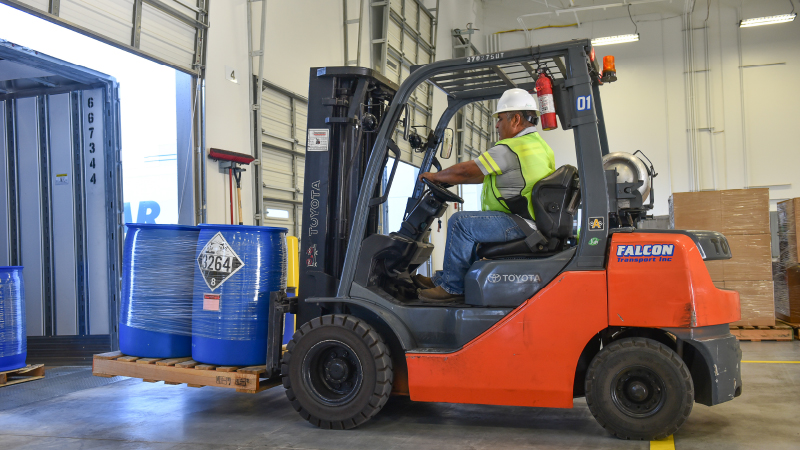
Asking the Right Questions About Hazmat Transportation
Hazardous materials transportation carries higher stakes. The right questions can reveal how a provider approaches safety, security, compliance, and communication.
Read More
Stop Managing Freight Rates. Start Managing Freight Behavior.
You negotiated the savings. Where did they go?
Read More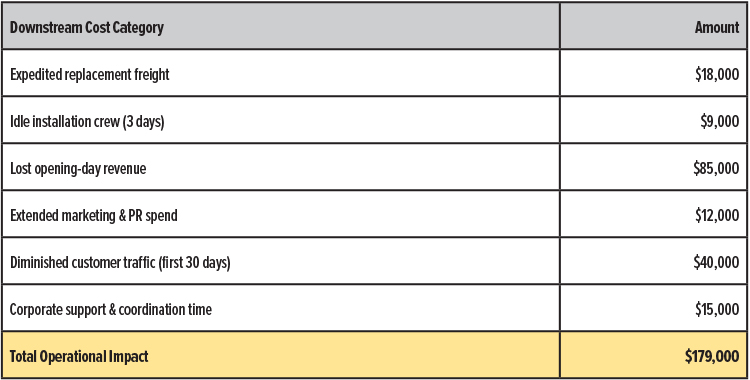
Transportation Is Only a Fraction of the Solution
Most companies plan the freight. The smartest companies plan the operation.
Read More
Transportation Contingency Planning: Five Questions Shippers Should Ask
Companies can’t eliminate every risk, but asking and regularly revisiting these five questions can help you determine whether your plan holds.
Read More
YMS Update: Turning Yards Into Strategic Ground
Shippers increasingly recognize the major impact yard operations have on their supply chain—and look to rapidly evolving technology to help.
Read More
WMS Remix: Attuned to Variability
Adaptability is key as warehouse operators navigate changing order profiles, seasonal surges, labor shortages, business growth, and external disruptions. A warehouse management system (WMS) has to be flexible and configurable enough to keep pace. Here are four leading providers that are dialed in.
Read More
Corral Your Freight Data with the Right FBAP Provider
Freight spend and inefficiency have you at the end of your rope? These freight bill audit and payment companies can help lasso your process with intelligence and precision.
Read More
7 Inventory Management Best Practices for Omnichannel Fulfillment
Accurate visibility, clear allocation rules, and channel-specific processes help retailers and brands fulfill orders more reliably.
Read More
10 Tips for Mapping AI to Resilience
Giving AI a complete, real-world picture of operations—the actual decisions, constraints, exceptions, and workarounds that define how work gets done—is what enables it to identify risks and drive resilient supply chain outcomes.
Read MorePlan Complex Heavy Haul Moves With Fewer Surprises
Q. What should shippers look for when evaluating a heavy haul transportation provider? A. One important indicator is whether a provider can walk you through a comparable move in real detail, not just tell you it went well. They should be able to explain how they identified site constraints, permitting requirements, and routing challenges during […]
Read More
Proposed Transportation Bill: What Does It Mean for Women In Trucking?
The House-passed Highway Bill addresses issues that are important to WIT members and can improve operational efficiency, productivity, and safety across the industry.
Read MoreWhy Every Freight Mode Matters More Than Ever
Q. Why does every freight mode matter more than ever? A. Transportation markets are often discussed as separate segments: truckload (TL), less-than-truckload (LTL), rail, parcel, and intermodal. In reality, they operate as one interconnected ecosystem. When capacity or pricing changes in one mode, the effects rarely stay contained. Understanding those relationships helps shippers make better […]
Read More
Fewer Containers, Same Freight: The Overweight Corridor Advantage
If you move heavyweight containers or food-grade freight through Southern California, it’s worth knowing whether you’re shipping more boxes than you need to.
Read More10 Tips for Bringing Integrated Intelligence to Your Supply Chain Data
Shippers have access to more supply chain data than ever before, but more data doesn’t necessarily lead to better decisions. When information is fragmented across systems, delayed by reporting cycles or viewed without the right business context, even valuable insights can arrive too late to make a difference. The next evolution in logistics technology is […]
Read More