
Articles
Knowledge Center

Carbon Neutral Shipping: What It Is, How It Works, and Benefits
Growing demand for greener logistics has made carbon-neutral shipping a key strategy for reducing carbon emissions and shrinking the carbon footprint of global trade. By adopting neutral shipping, companies help lower global greenhouse gas emissions, meet environmental goals, and stay relevant in a fast-changing market.
Read More
Digital Twins in Logistics: What They Are, How They Work, and Benefits
Digital twins in logistics turn live data into smart decisions. These models improve planning, boost speed, and raise accuracy across modern supply chain management strategies.
Read More
Supply Chain Predictive Analytics: What It Is, Key Components, and Benefits
Supply chain predictive analytics helps companies navigate uncertainty, reduce waste, and make better decisions using real-time data and intelligent forecasting. By applying predictive analytics in supply, teams improve supply chain management, cut delays, and align with future trends.
Read More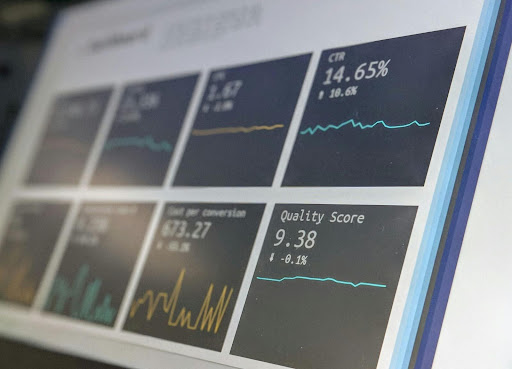
Predictive Analytics in Inventory Management: Definition, How It Works, and Benefits
As markets shift quickly and supply chains grow more complex, predictive analytics inventory management has become a key strategy for staying ahead. It uses historical data, algorithms, and statistical models to improve how businesses handle stock, supply chain operations, and customer demand Instead of reacting to problems after they happen, companies can now use predictive […]
Read More
Transportation Risk Management: What It Is, Types, and How to Choose
Learn how transportation risk management helps supply chains minimize disruption and improve resilience. Explore risk types, mitigation strategies, and how to choose the right solution for your business.
Read More
4PL: Definition, How it Works, and Benefits
Global supply chains are no longer simple. Businesses now manage hundreds of moving parts across multiple countries, from sourcing to shipping orders, tracking inventory, and handling freight forwarding. Distribution and fulfillment centers serve as strategic hubs in the supply chain, where inventory is stored, managed, and shipped to optimize logistics efficiency. Without the right system, […]
Read More
Circular Supply Chain: Definition, Components, and Benefits
Linear supply chains no longer meet the needs of today’s global economy. High waste, resource shortages, and frequent supply chain disruptions make it harder for companies to operate efficiently. Businesses need smarter systems that recover value and reduce dependence on finite resources. A circular supply chain offers a better way forward. As part of the […]
Read More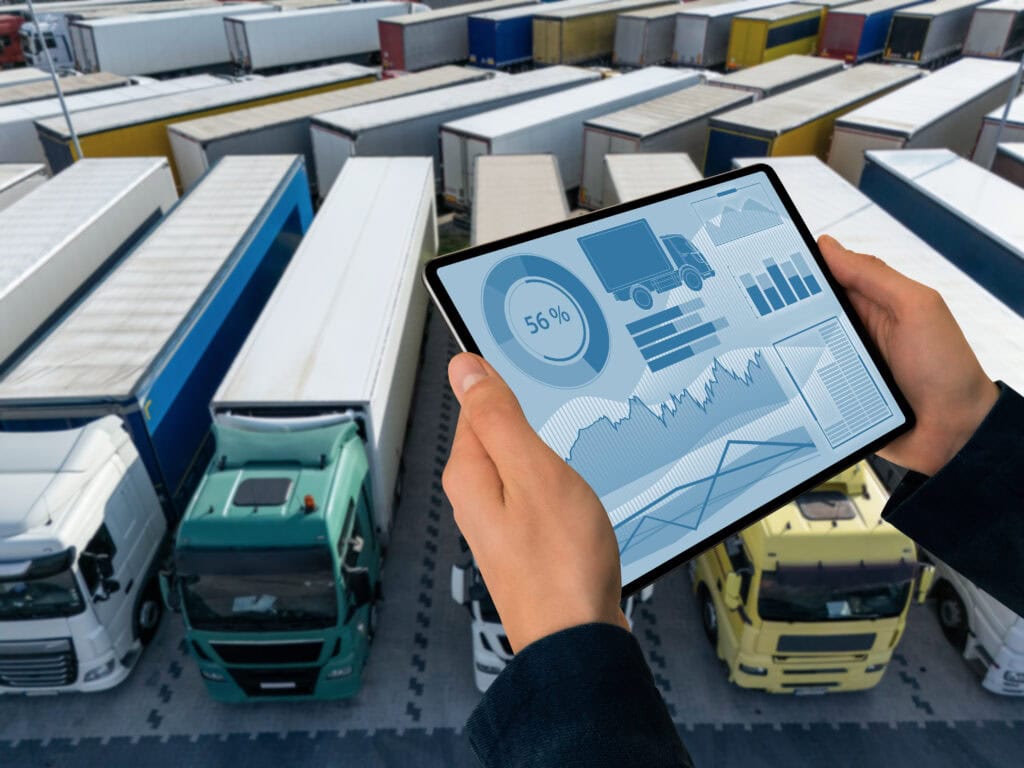
The Top 20 Fleet Management Challenges Faced By Owners and How to Overcome Them
Solving fleet management challenges helps fleet managers reduce fuel costs, lower maintenance costs, and improve driver performance. Tools like GPS tracking, route optimization, and telematics systems enable smarter, informed decisions.
Read More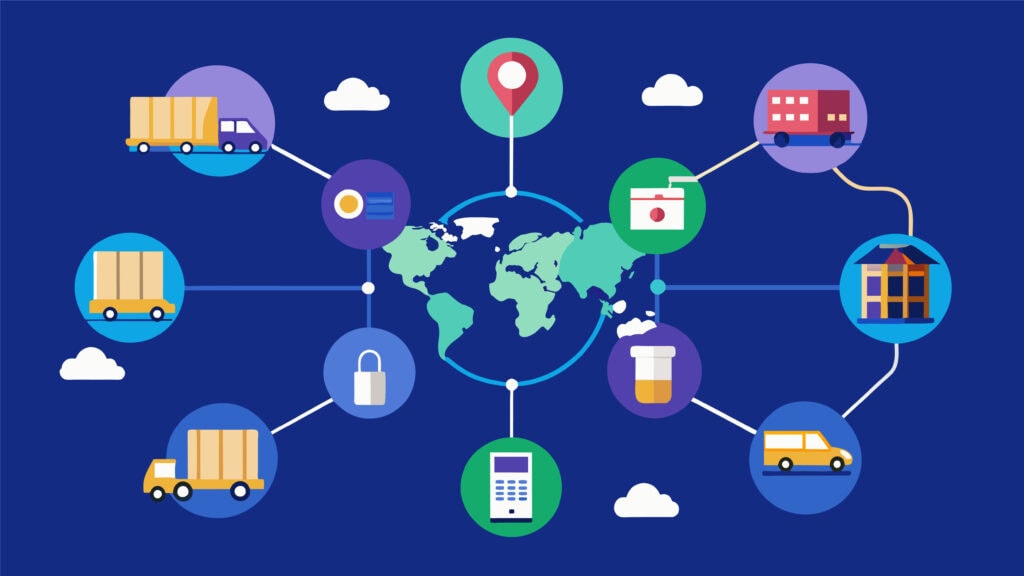
End-to-end Supply Chain: E2E Meaning, Benefits, & How to Implement
Adopting an E2E supply chain ensures businesses stay competitive by optimizing workflows and strengthening supply chain planning. The ability to track performance across the supply chain end enhances adaptability and customer satisfaction.
Read More
5 Types of Risk in Supply Chain Management
This guide breaks down five types of risk in supply chain management, showing how environmental risks, financial threats, and market shifts can hit operations hard.
Read More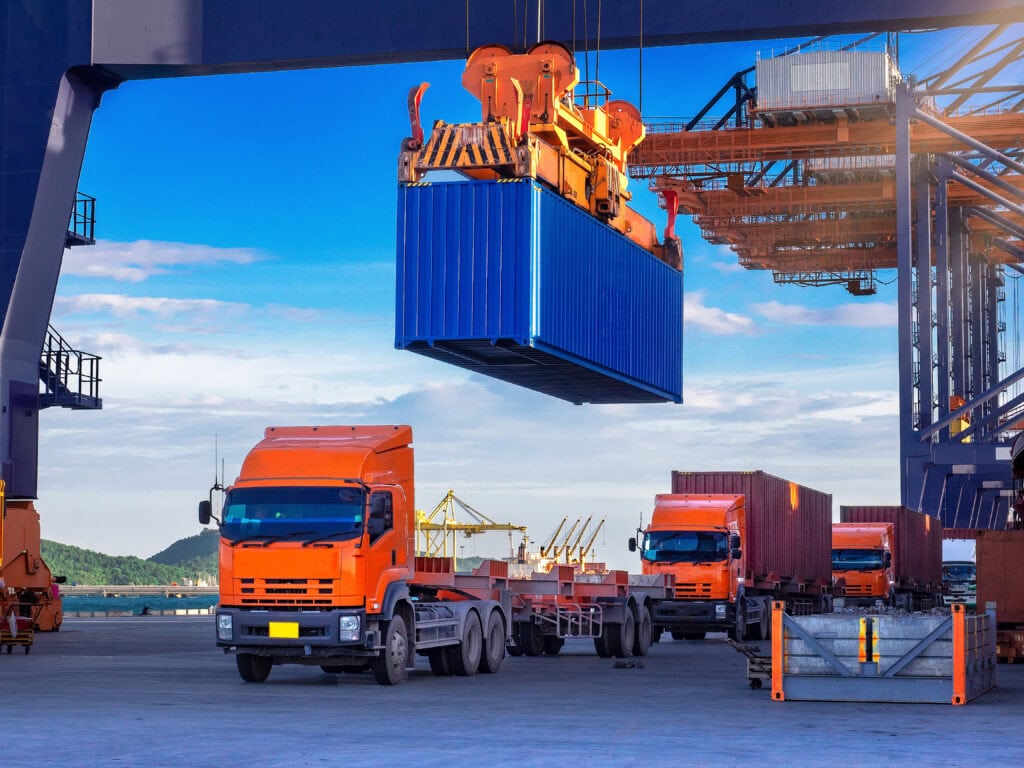
Types of Cargo: Key Factors, How They’re Transported, and Handling Requirements
Cargo means goods or products moved from one place to another for cargo transportation. In the shipping industry and global trade, understanding different types of cargo helps optimize how goods reach their destination. Businesses rely on shipping companies and logistics companies to handle bulk cargo, liquid bulk cargo, general cargo, and more. Proper transport vehicles […]
Read More
Supply Chain Resilience: What It Is, Common Disruptions, and How to Build
Supply chain resilience refers to a company’s ability to prepare for, respond to, and recover quickly from unexpected disruptions. Businesses now face constant challenges like natural disasters, geopolitical risks, and the lasting impact of the COVID-19 pandemic. These events expose weaknesses in even the most efficient supply chain models. Supply chain leaders are under pressure […]
Read More
The Best Mapping Software for Location Intelligence
Choosing accurate mapping software is essential for businesses that use location intelligence. This field has seen steady growth. The global market is projected to reach $63.8 billion by 2032, with steady demand from retail, logistics, and urban planning. Maptive stands out as the best mapping software for location intelligence due to its precision, speed, and […]
Read More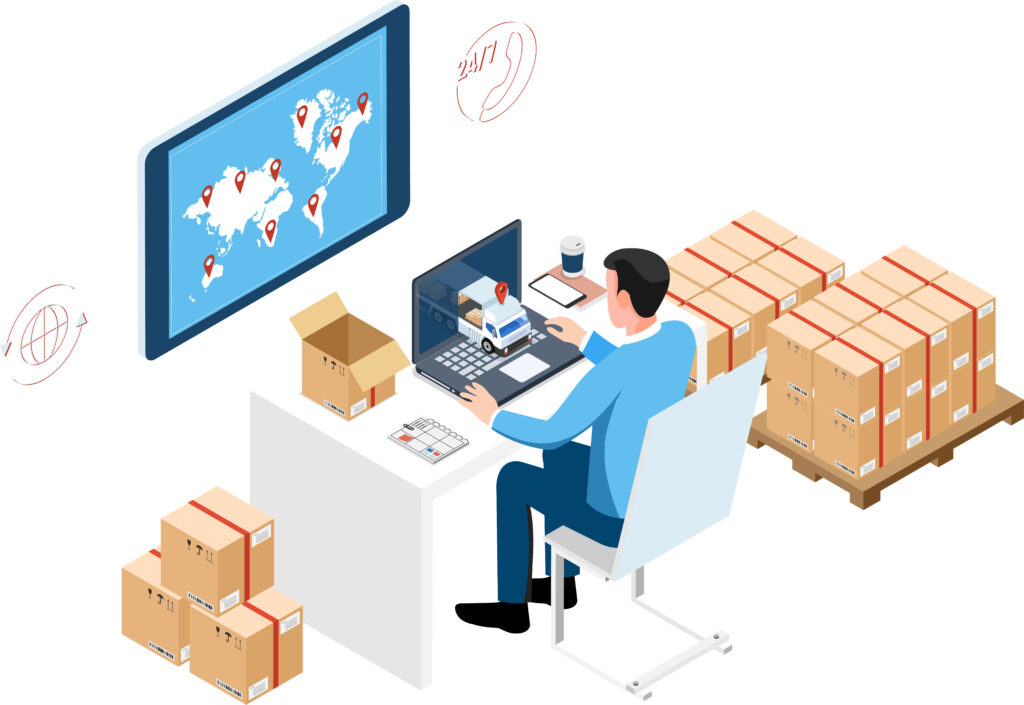
Vendors vs Suppliers: The Differences and Why It Matters
Vendors and suppliers are both business entities that play different roles in the supply chain. Suppliers provide raw materials, while vendors sell finished products to other businesses or the final customer, operating in distinct capacities depending on the products’ use and sales channels. The key difference lies in what each business entity provides to the […]
Read More
Operational Risk Management: Core Principles and Practices
Modern business operations face rising complexity from cyber threats, supply chain issues, and failed internal processes. Each mistake or delay increases risk exposure and disrupts performance. Without a structured system, risks multiply fast and often without warning.
Read More
Global Supply Chain: What It Is, Importance, and Challenges
Studying the global supply chain reveals how products move from raw materials to finished goods across multiple countries. It connects manufacturing operations, distribution, and customer demand in a vast worldwide system. Many global supply chains involve complex steps and working relationships with foreign suppliers to meet the needs of international customers. Breaking down how global […]
Read More
What is Linehaul: Definition, How it Works, and Importance
What is a line haul? It refers to the transport of goods between two points, such as cities, ports, or even warehouses. Line haul transportation covers the long-distance part of the shipping process. It moves freight between hubs like sorting facilities or distribution centers, with the final destination being the endpoint of the shipping process, […]
Read More
UPC Meaning: What It Is, Types, and How to Get
Running a business today means staying organized, especially when selling products globally or across online marketplaces. Mismanaging items leads to errors, confusion, and lost sales. That’s where understanding UPC meaning becomes essential. A UPC—short for Universal Product Code—is a unique number and a type of bar code used for product identification. The barcode symbol, which […]
Read More
What is Supply Chain Forecasting? Best Methods, Benefits, and Challenges
Uncertainty hurts business. When companies don’t know what’s coming next, they overstock, underdeliver, and miss sales targets. Poor planning can wreck supply chain operations, increase costs, and frustrate customers. Supply chain forecasting refers to the process of predicting demand, supply, or pricing for products within an industry, using data from suppliers to anticipate stock availability […]
Read More
What is LIFO? Definition, Benefits, and Real World Use of Last In, First Out
Inventory valuation shapes how businesses report profits and manage taxes. The LIFO method—Last In, First Out—assigns the cost of the most recent purchases to the cost of goods sold, often reducing taxable income when prices rise. LIFO is one of several cost flow assumptions used in inventory accounting to determine how inventory costs are allocated […]
Read More