
Amy Roach, Senior Editor

Amy is a veteran business journalist and editor with a deep background in B2B publishing, who has written extensively on the trends and strategies shaping global supply chains. In her current role, she oversees strategy for Inbound Logistics content including social media, email newsletters, webinars, video podcasts, whitepapers, and other strategic initiatives. Throughout her career, she has contributed to a wide array of publications and businesses in logistics, technology, retail, real estate, financial services, and higher education.
Articles by Amy Roach

Tariff Ruling, Refund Uncertainty and Border Violence: Mounting Risk for Supply Chains
By Amy Roach | February 24, 2026 A trio of fast-moving developments is reshaping the risk landscape for supply chain and logistics leaders: the recent U.S. Supreme Court ruling that invalidates key tariffs imposed under emergency powers; mounting legal and political uncertainty over whether importers will receive billions in tariff refunds; and escalating cartel violence […]
“Essential, Not Optional”: FedEx CEO Elevates AI to Strategic Imperative
By Amy Roach | February 19, 2026 In remarks delivered at the AI Impact Summit 2026 this week, Rajesh Subramanian, president and CEO of FedEx Corporation, positioned artificial intelligence as a cornerstone of modern logistics — not a nice-to-have, but an essential infrastructure for the future of global commerce and supply chain resilience. Addressing an […]

John Deere Bolsters U.S. Supply Chain With New Distribution Hub, Doubling Down on Domestic Manufacturing
John Deere is expanding its U.S. industrial footprint with a major investment in a new distribution center near Hebron, Indiana, positioning the agricultural and construction equipment maker to sharpen parts logistics and reinforce its supply chain resilience. The facility, announced alongside a new excavator manufacturing plant in Kernersville, North Carolina, underscores Deere’s strategy to bring […]

18 Must-Attend Logistics and Supply Chain Trade Shows in 2026
It’s trade show time! Plan ahead and be sure these 19 top events are on your calendar for 2026.

J&J Strengthens U.S. Pharma Supply Chain with Two Next-Gen Facilities
The company is making moves to strengthen its pharmaceutical supply chain, boost resilience, and support advanced manufacturing capabilities.

5 Supply Chain Lessons Learned in 2025
Leaders reflect on the hard-won lessons of 2025 and how they’re applying them to build stronger, more adaptive supply chains in 2026.

New York Called Worst Offender in Illegal CDL Audit, 53% Flagged as Improper
A federal audit found that 53% of New York’s foreign commercial driver’s licenses were issued improperly, prompting threats of major DOT funding cuts.

Heartland Express Finalizes CFI Integration, Rebrands Operations
By Felecia Stratton | December 10, 2025 Heartland Express, Inc. has announced that it will fully integrate the U.S. operations of Contract Freighters, Inc. (CFI) into its broader fleet, effective December 31, 2025. The move brings to a close CFI’s run as a separate operating unit, as its operations are absorbed into Heartland Express. The […]
CBP Opens CTPAT Pilot to Freight Brokers and Non-Asset 3PLs
By Amy Roach | December 9, 2025 U.S. Customs and Border Protection (CBP) has unveiled a five-year pilot program that, for the first time, allows freight brokers and warehouse-based third-party logistics providers (3PLs) to apply for membership in Customs-Trade Partnership Against Terrorism (CTPAT). The program, which launched earlier this month, marks a significant expansion of […]
Big Brands Push Back: Costco, Revlon, Kawasaki and Others Sue for Tariff Refunds
By Amy Roach | December 4, 2025 A growing number of major importers that includes everyone from retailers to auto suppliers have taken the rare step of suing the U.S. government to preserve their right to reclaim tariffs paid under the controversial trade measures introduced by the Trump administration. Lawsuits Surge as Businesses Race to […]

AI Chip Demand Creates New Global Supply Chain Strains
By Felecia Stratton | December 3, 2025 Global supply chains are facing a fresh challenge: surging demand for advanced memory chips used in artificial intelligence data centers. A new report from Reuters shows demand for advanced high-bandwidth memory (HBM) chips used to power AI data centers has boomed so sharply that manufacturers are diverting production […]

The Hidden Cost of Inefficient Inbound Operations — and How Visibility Changes Everything
When operations leaders talk about supply chain performance, the conversation almost always starts with outbound: on-time delivery, fill rates, and transportation spend. But the truth is, the story of outbound success often begins on the inbound dock—and too often, that story is one of delay, chaos, and unseen cost. The Invisible Bottleneck Inbound operations are […]

Will AI Replace Freight Brokers? Understanding the Future of Brokerage in a Tech-Driven Supply Chain
As artificial intelligence (AI), automation, and machine learning advance across the supply chain, one question has moved to the forefront of logistics conversations: Will AI replace freight brokers? The short answer: Total replacement is unlikely, but transformation is inevitable. AI is already reshaping how brokers quote freight, match loads, communicate with carriers, and manage data. […]

The Highest-Paying Logistics and Supply Chain Jobs for 2026
As companies prepare for another year of supply chain complexity—including unpredictable freight markets, geopolitical risk, and rapid automation—demand for skilled logistics and supply chain professionals is set to surge in 2026. Organizations across tech, manufacturing, energy, biotech, and defense are paying top dollar to secure leaders who can build resilient, efficient, data-driven supply chains. A […]

Amazon Business Rolls Out New AI Tools for Procurement, Supply Chain Monitoring
Amazon Business is introducing a new set of AI-powered tools designed to automate buying decisions, detect spending anomalies, and help organizations anticipate supply chain disruptions.

Pedal to the Metal: General Motors Orders Suppliers to Exit China Supply Chains
As U.S.–China tensions escalate, General Motors is steering its suppliers toward a full exit from China by 2027.
Surprise: The World’s Biggest Shipping Power Isn’t China
It’s Greece—again. The maritime nation quietly commands the largest fleet by capacity, shaping global trade flows and influencing logistics costs from Piraeus to the Pacific.
New Video: Turning Pallets Into Supply Chain Data Engines
Story and Interview by Amy Roach | November 3, 2025 What was once a simple piece of warehouse equipment is now becoming a data source for supply chain intelligence. That’s the takeaway from Inbound Logistics’ recent video podcast, “Pallets as Supply Chain Intelligence Tools,” featuring Jonathan Parks, Senior Vice President of Supply Chain at iGPS. […]

Macy’s Bets Big on Automation to Reinvent Its Supply Chain
By Amy Roach | October 30, 2025 When Macy’s Inc. cut the ribbon on its new automated fulfillment center in China Grove, North Carolina earlier this month, it signaled something more than a real estate expansion: it marked a strategic reset for one of America’s oldest retail brands. At 2.5 million square feet and with […]

Just in Case (JIC) Manufacturing: What It Is, Benefits, and Drawbacks
JIC manufacturing focuses on keeping extra stock to prepare for unexpected changes in customer demand or supplier delays. This inventory strategy aims to avoid production delays and ensure smooth manufacturing processes by holding more raw materials and finished goods than usual. Companies rely on just-in-case inventory to protect against supply chain disruptions and maintain supply […]
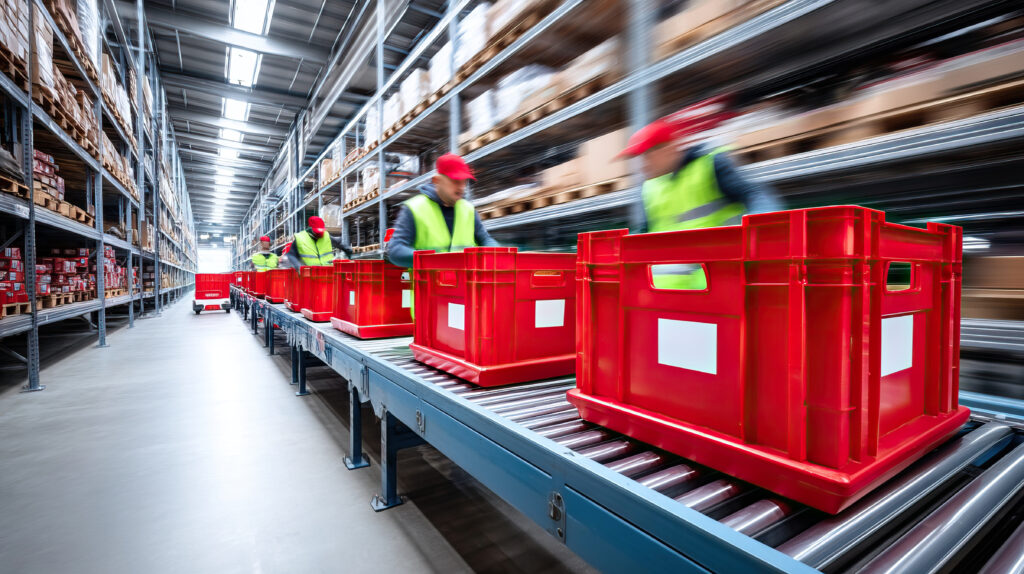
Order Batching: What It Is, Common Methods, and Benefits
Order picking eats up more than half of labor time in most warehouse operations. Ignoring this drains productivity, inflates labor costs, and frustrates teams trying to meet rising customer expectations. Acting on that inefficiency matters. Order batching solves this by grouping orders in such a way that reduces movement, improves the picking process, and helps […]

Certificate of Analysis (COA): What It Is, Key Elements, and Why They Matter
Goods move fast in today’s global supply chain. But speed means nothing without quality assurance. In the complex world of supply chains and regulatory compliance, every handoff, from supplier to warehouse, then to customers, carries a risk: mislabeled, contaminated, or substandard products slipping through. A certificate of analysis plays a key role in stopping that. […]

5PL: Understanding It, History, and Key Functions
5PL refers to a logistics model built around full digital integration and strategic control. It supports businesses with complex logistics needs by managing the entire logistics function through advanced tools and connected platforms.
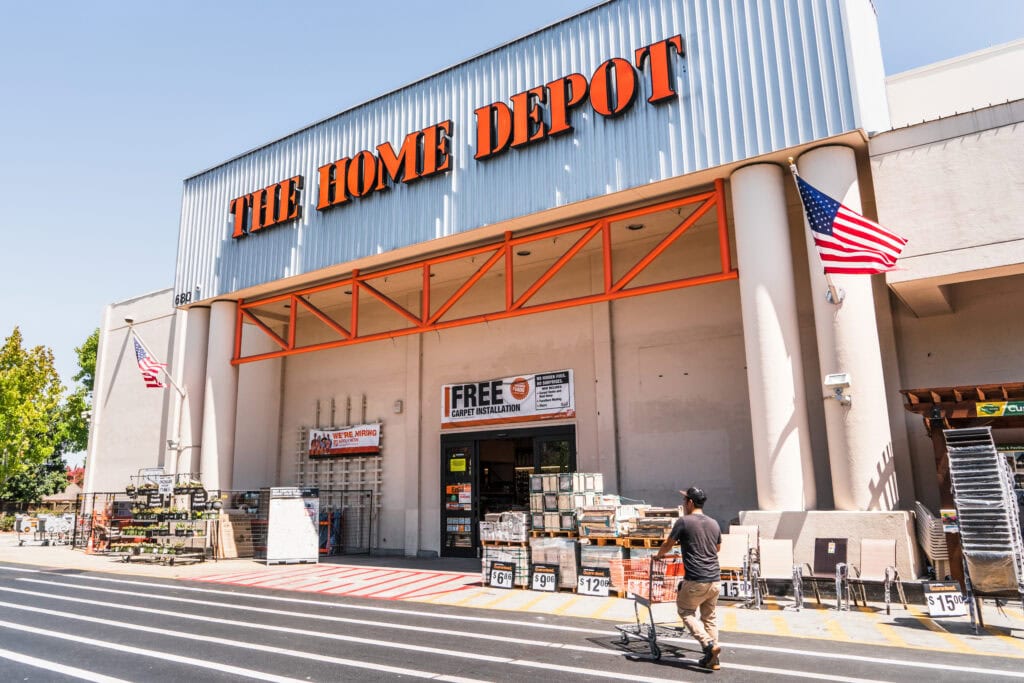
Reverse Logistics as Value Stream: What Home Depot & Peers Revealed at CSCMP
Home Depot and other companies are transforming reverse logistics by leveraging analytics, resale channels, and circular economy practices.

3PL vs 4PL: Their Key Differences and Benefits
Modern supply chain operations are no longer simple or linear. Companies now manage global sourcing, multiple vendors, shifting customer demands, and fast-changing technologies. Handling all this with outdated systems or siloed operations can lead to delays, wasted resources, and missed opportunities. Implementing an agile supply chain approach can help businesses adapt more quickly and efficiently. […]

Demand Planning vs Forecasting: Their Key Differences
Anticipating future customer demand in logistics is no longer optional. Companies that fail to plan risk excess inventory, late deliveries, and lost revenue. Accuracy in forecasting plays a critical role in ensuring the supply chain operates smoothly. Accurate demand forecasts are essential for optimizing inventory, reducing stock-outs, and improving overall supply chain efficiency. Understanding the […]

As Freight Fraud Evolves, Experts Urge New Guardrails
Stopping freight fraud requires constant vigilance, stronger safeguards, and a cultural shift toward zero trust. Technology also plays a crucial role.

New U.S. Tariffs on Heavy Trucks and Pharmaceuticals Test Global Supply Chains
The latest U.S. tariff package targets imported heavy trucks and branded drugs, creating new challenges—and potential opportunities—for manufacturers, fleets, and global supply chains.
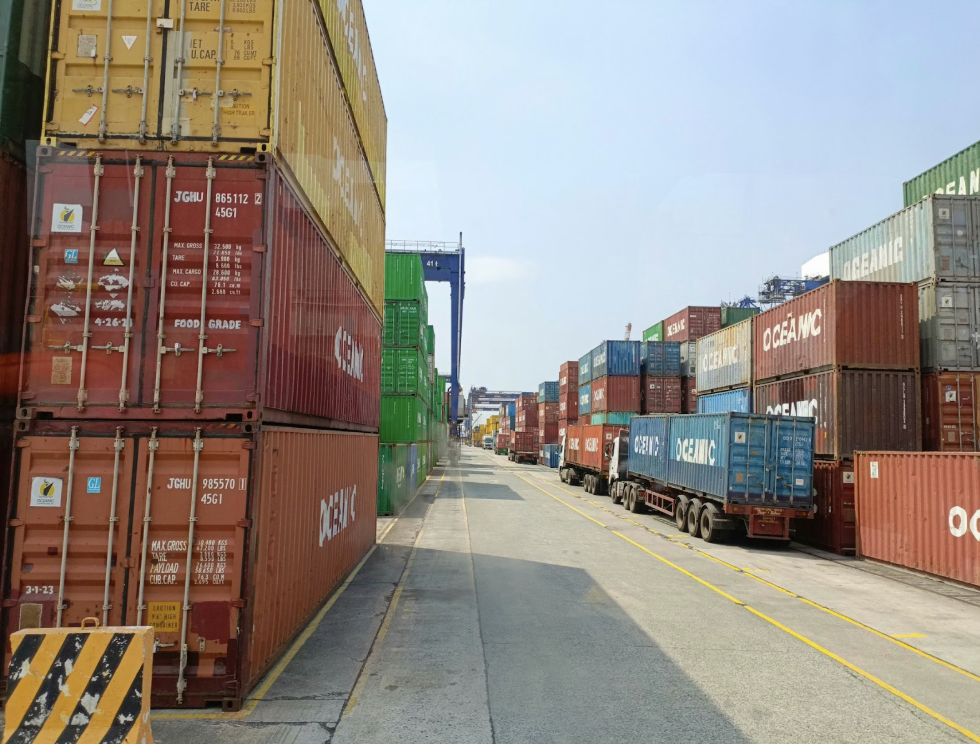
Everything Businesses Need to Know About Freight Consolidation: Definition, Challenges, and Benefits
Paying more for half-empty trucks? That’s a clear signal something’s off in the shipping process. Many businesses waste money and resources without realizing that smarter logistics can change everything. Freight consolidation is the game-changer here. It’s the practice of combining multiple small shipments from various shippers into one shipment—a more efficient and cost-effective approach to […]
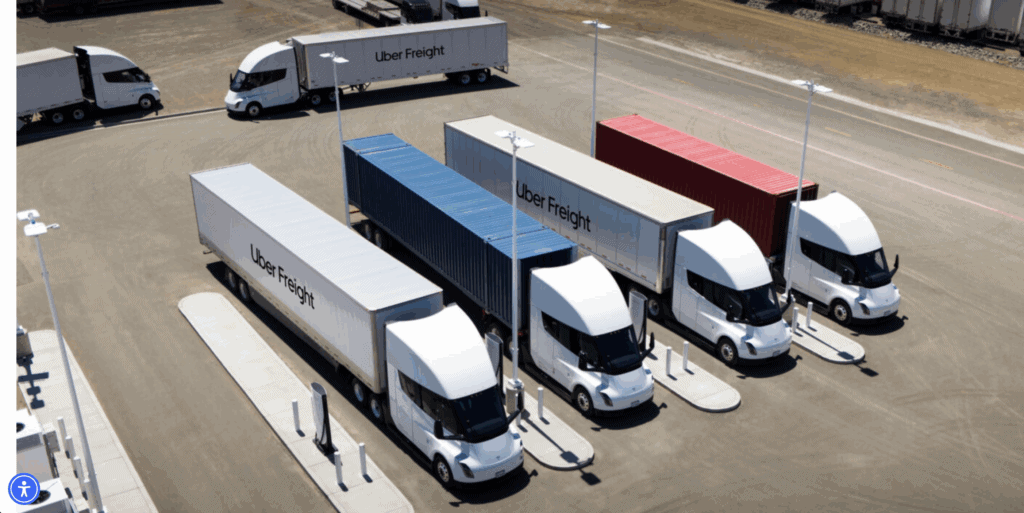
Uber Freight and Tesla, Watco and Intramotev: Two Tracks for Electrifying Logistics
Logistics companies are experimenting with EVs—but questions around cost, infrastructure, and scalability remain.