
Amy Roach, Senior Editor

Amy is a veteran business journalist and editor with a deep background in B2B publishing, who has written extensively on the trends and strategies shaping global supply chains. In her current role, she oversees strategy for Inbound Logistics content including social media, email newsletters, webinars, video podcasts, whitepapers, and other strategic initiatives. Throughout her career, she has contributed to a wide array of publications and businesses in logistics, technology, retail, real estate, financial services, and higher education.
Articles by Amy Roach
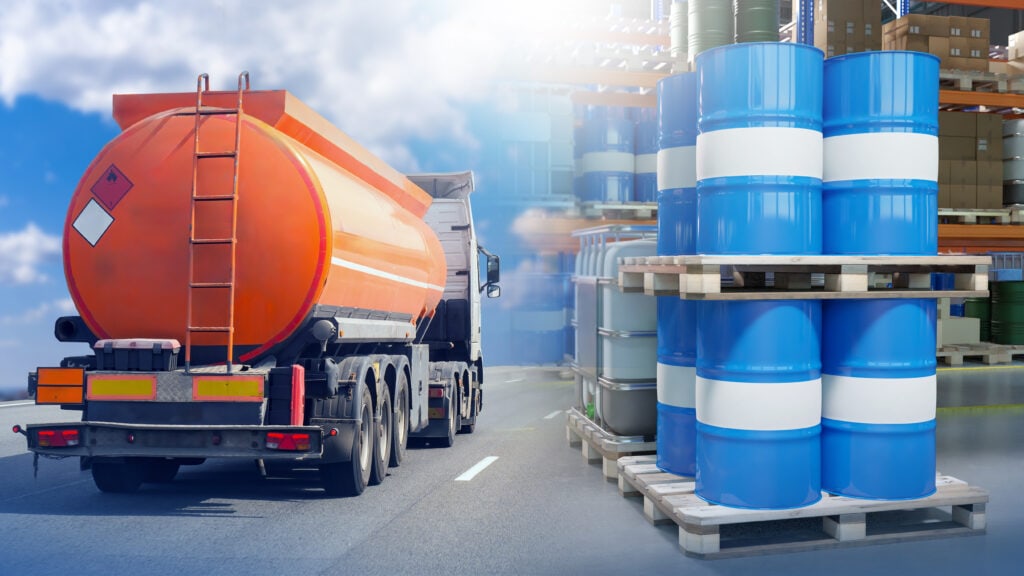
Chemical Supply Chain: What It Is, Challenges, and Management Strategies
Every product in the chemical industry depends on a reliable chemical supply chain. Chemical supply chains are often complex supply chains, involving intricate networks of suppliers, manufacturers, and logistics partners that must work together seamlessly. From raw materials to chemical products, each step requires careful coordination to keep production steady and safe. A chemical supply […]

Target Expands Next-Day Delivery, Raising the Stakes in Retail Logistics
The retail giant is shifting its fulfillment model to reach more customers, faster.
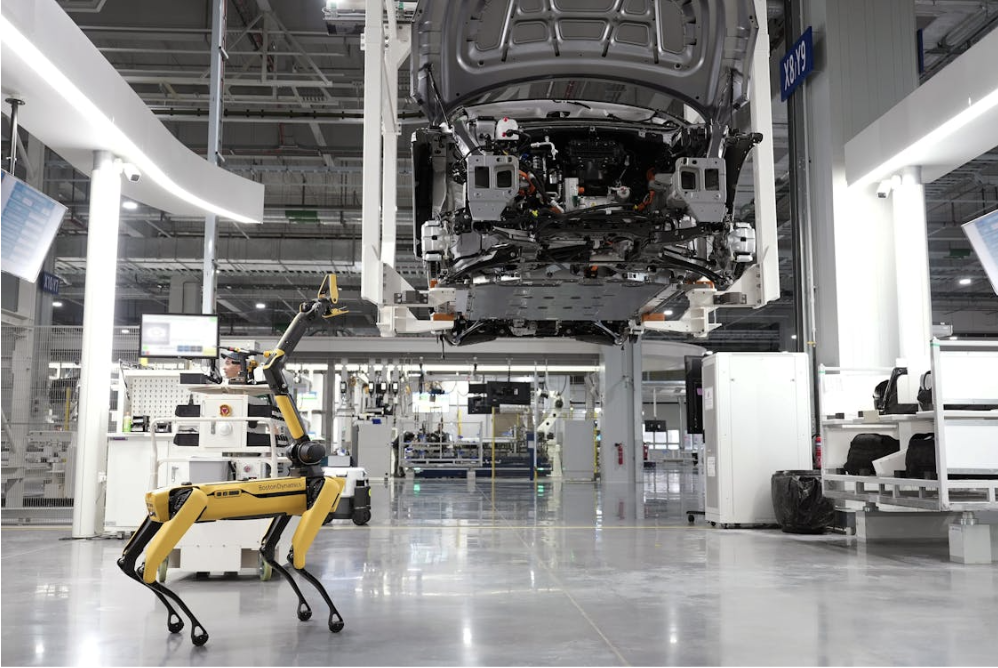
IoT Manufacturing: Components, Benefits, and Challenges
Factories are no longer just metal, noise, and manpower. Smart machines now collect data, talk to each other, and help manufacturers make faster, better decisions. Welcome to the age of IoT manufacturing, where efficiency and insight come from connected technology. Across the manufacturing industry, companies use IoT devices and smart sensors to track machines, boost […]

Cloud-Based Warehouse Management Systems (WMS): What It Is, How It Works, and Benefits
Cloud-based warehouse management helps businesses improve inventory management, reduce errors, and gain real-time visibility across operations. Companies boost control, reduce costs, and adapt quickly to changes in the supply chain.
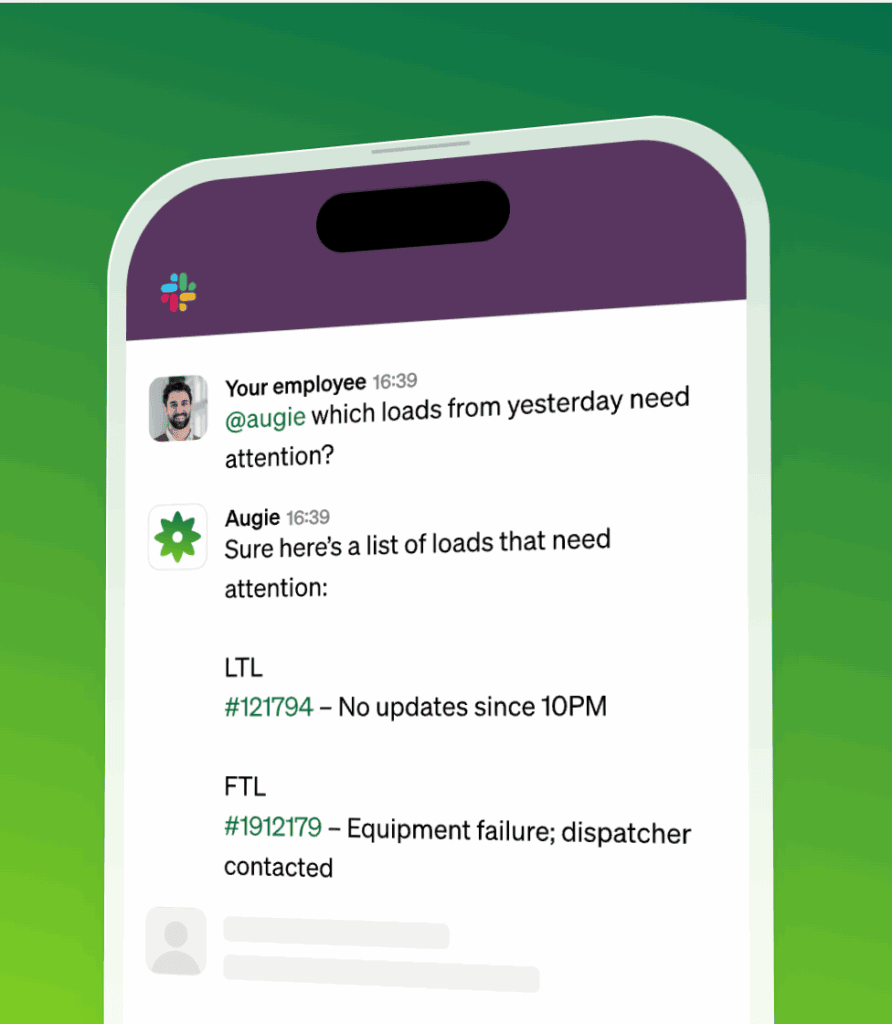
Supply Chain AI Adoption Accelerates as Logistics Startup Augment Secures $85M Series A
With $110M raised in just five months, Augment’s AI assistant “Augie” is gaining traction across freight providers, signaling the rapid integration of automation in supply chain operations.
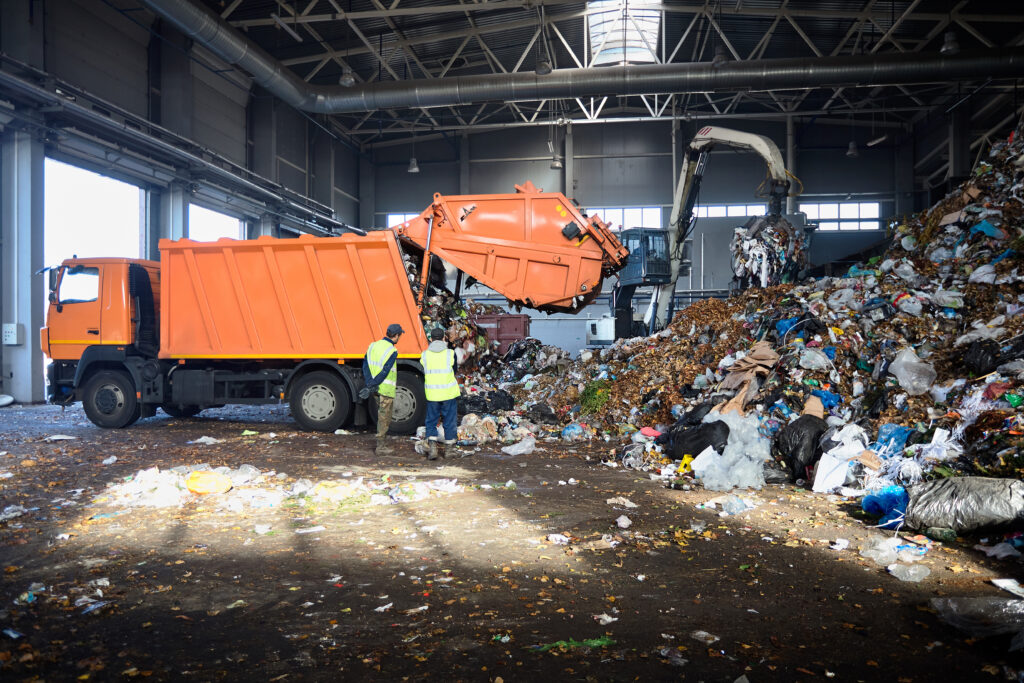
Rewiring the Waste Stream: Could Biomass Gasification Change the Logistics of Garbage?
A proposed biomass gasification facility in Orange County, New York, just cleared a major regulatory hurdle for construction and operation. And it isn’t just another piece of green tech — if it works, it could fundamentally shift how waste is collected, transported, and converted into energy across the region.

Carbon Neutral Shipping: What It Is, How It Works, and Benefits
Growing demand for greener logistics has made carbon-neutral shipping a key strategy for reducing carbon emissions and shrinking the carbon footprint of global trade. By adopting neutral shipping, companies help lower global greenhouse gas emissions, meet environmental goals, and stay relevant in a fast-changing market.

Digital Twins in Logistics: What They Are, How They Work, and Benefits
Digital twins in logistics turn live data into smart decisions. These models improve planning, boost speed, and raise accuracy across modern supply chain management strategies.

Supply Chain Predictive Analytics: What It Is, Key Components, and Benefits
Supply chain predictive analytics helps companies navigate uncertainty, reduce waste, and make better decisions using real-time data and intelligent forecasting. By applying predictive analytics in supply, teams improve supply chain management, cut delays, and align with future trends.
Predictive Analytics in Inventory Management: Definition, How It Works, and Benefits
As markets shift quickly and supply chains grow more complex, predictive analytics inventory management has become a key strategy for staying ahead. It uses historical data, algorithms, and statistical models to improve how businesses handle stock, supply chain operations, and customer demand Instead of reacting to problems after they happen, companies can now use predictive […]
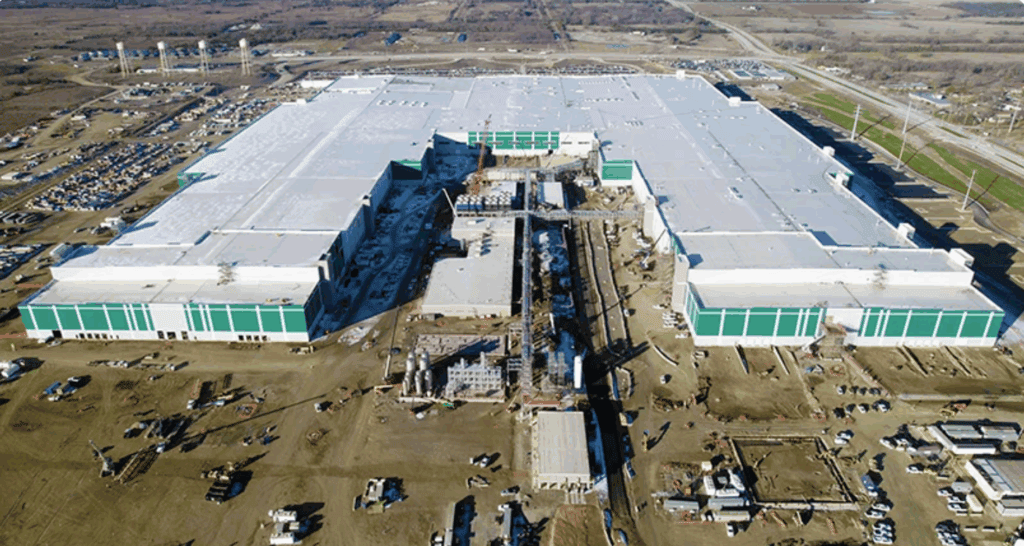
Panasonic’s $4 Billion Battery Factory Set to Transform U.S. EV Supply Chain
This state-of-the-art facility will ramp up domestic EV battery production, helping reduce reliance on overseas suppliers and supporting faster, more sustainable vehicle manufacturing.

Taiwan Expo USA 2025: Elevating Innovation, Culture, and U.S.-Taiwan Partnership
Nation’s Largest Taiwan Expo is Free and Open to the Public

Transportation Risk Management: What It Is, Types, and How to Choose
Learn how transportation risk management helps supply chains minimize disruption and improve resilience. Explore risk types, mitigation strategies, and how to choose the right solution for your business.
4PL: Definition, How it Works, and Benefits
Global supply chains are no longer simple. Businesses now manage hundreds of moving parts across multiple countries, from sourcing to shipping orders, tracking inventory, and handling freight forwarding. Distribution and fulfillment centers serve as strategic hubs in the supply chain, where inventory is stored, managed, and shipped to optimize logistics efficiency. Without the right system, […]
Circular Supply Chain: Definition, Components, and Benefits
Linear supply chains no longer meet the needs of today’s global economy. High waste, resource shortages, and frequent supply chain disruptions make it harder for companies to operate efficiently. Businesses need smarter systems that recover value and reduce dependence on finite resources. A circular supply chain offers a better way forward. As part of the […]

Why the Smartest Supply Chain Leaders Are Replacing Traditional Warehouse Hiring in 2025
If the last five years have taught supply chain leaders anything, it’s that agility is no longer a competitive advantage—it’s a requirement. And nowhere is that more apparent than in the warehouse. From fluctuating volumes and constrained labor pools to rising costs and changing customer expectations, warehouse operations have become the pressure valve of the […]
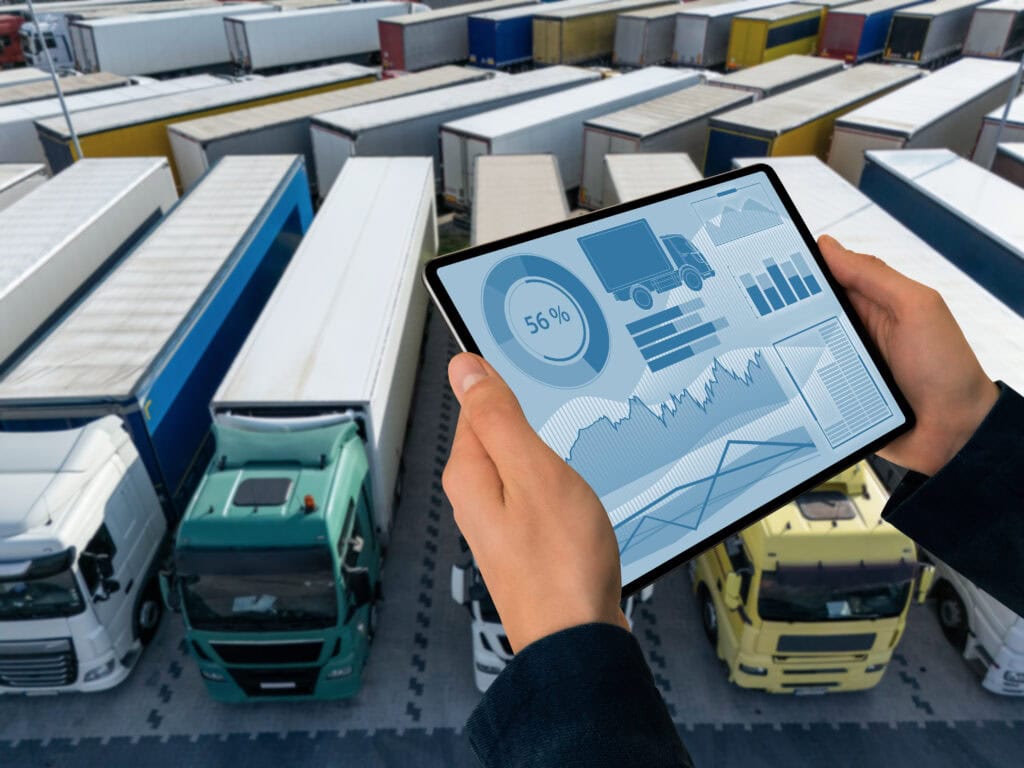
The Top 20 Fleet Management Challenges Faced By Owners and How to Overcome Them
Solving fleet management challenges helps fleet managers reduce fuel costs, lower maintenance costs, and improve driver performance. Tools like GPS tracking, route optimization, and telematics systems enable smarter, informed decisions.
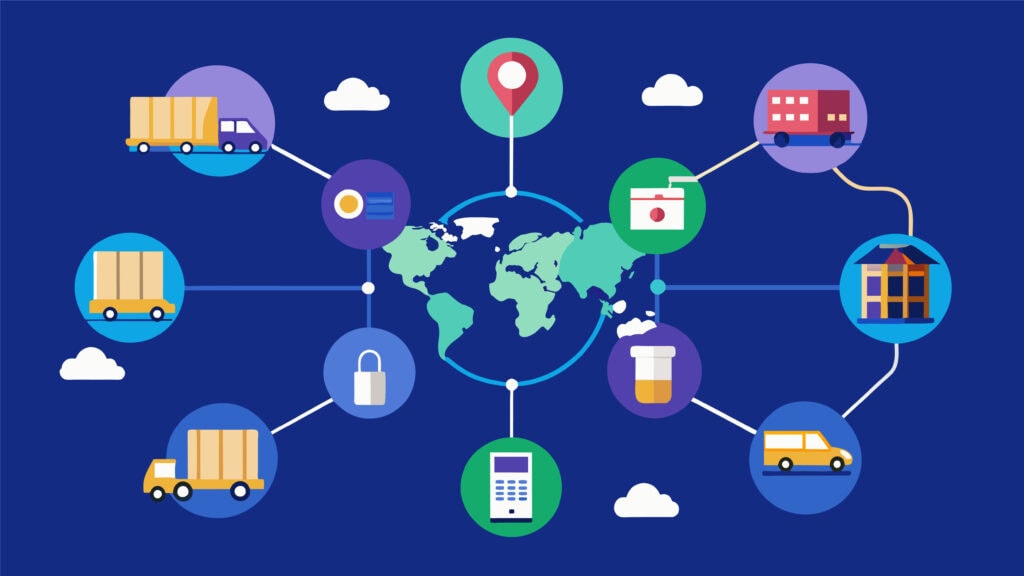
End-to-end Supply Chain: E2E Meaning, Benefits, & How to Implement
Adopting an E2E supply chain ensures businesses stay competitive by optimizing workflows and strengthening supply chain planning. The ability to track performance across the supply chain end enhances adaptability and customer satisfaction.

5 Types of Risk in Supply Chain Management
This guide breaks down five types of risk in supply chain management, showing how environmental risks, financial threats, and market shifts can hit operations hard.
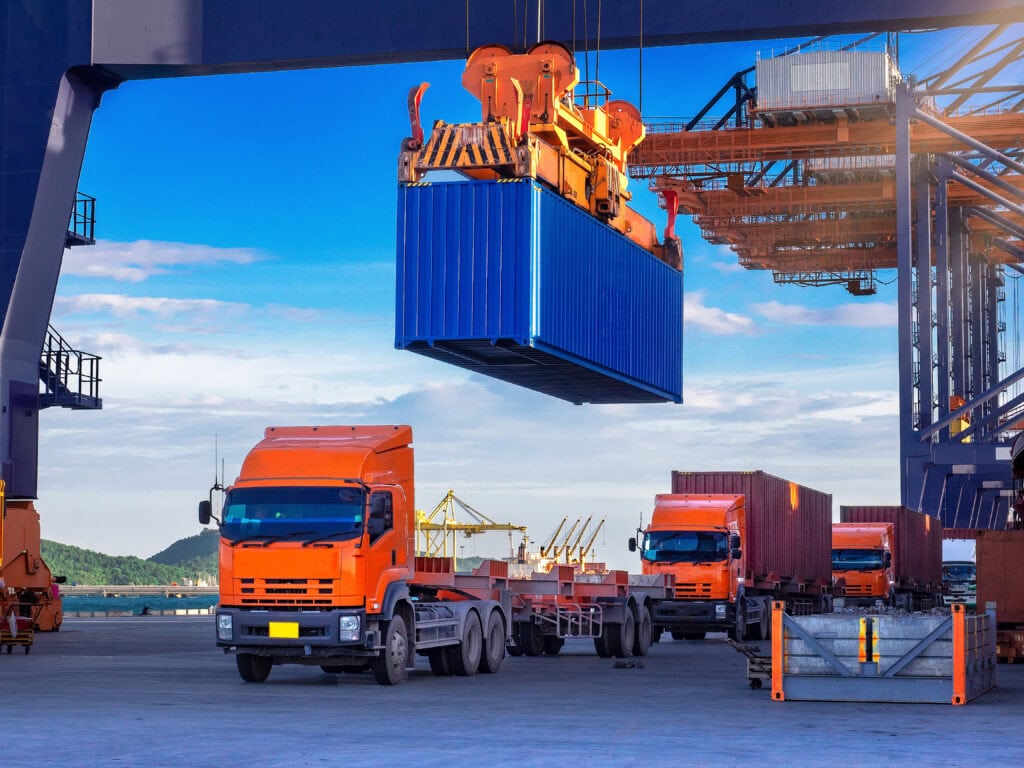
Types of Cargo: Key Factors, How They’re Transported, and Handling Requirements
Cargo means goods or products moved from one place to another for cargo transportation. In the shipping industry and global trade, understanding different types of cargo helps optimize how goods reach their destination. Businesses rely on shipping companies and logistics companies to handle bulk cargo, liquid bulk cargo, general cargo, and more. Proper transport vehicles […]

Supply Chain Resilience: What It Is, Common Disruptions, and How to Build
Supply chain resilience refers to a company’s ability to prepare for, respond to, and recover quickly from unexpected disruptions. Businesses now face constant challenges like natural disasters, geopolitical risks, and the lasting impact of the COVID-19 pandemic. These events expose weaknesses in even the most efficient supply chain models. Supply chain leaders are under pressure […]

Do More With Less: How High-Density Storage Is Reshaping Warehouse Efficiency
High-density storage systems like Vertical Lift Modules are helping operations reclaim space, boost accuracy, and reduce labor strain; all without expanding their footprint.
Vendors vs Suppliers: The Differences and Why It Matters
Vendors and suppliers are both business entities that play different roles in the supply chain. Suppliers provide raw materials, while vendors sell finished products to other businesses or the final customer, operating in distinct capacities depending on the products’ use and sales channels. The key difference lies in what each business entity provides to the […]
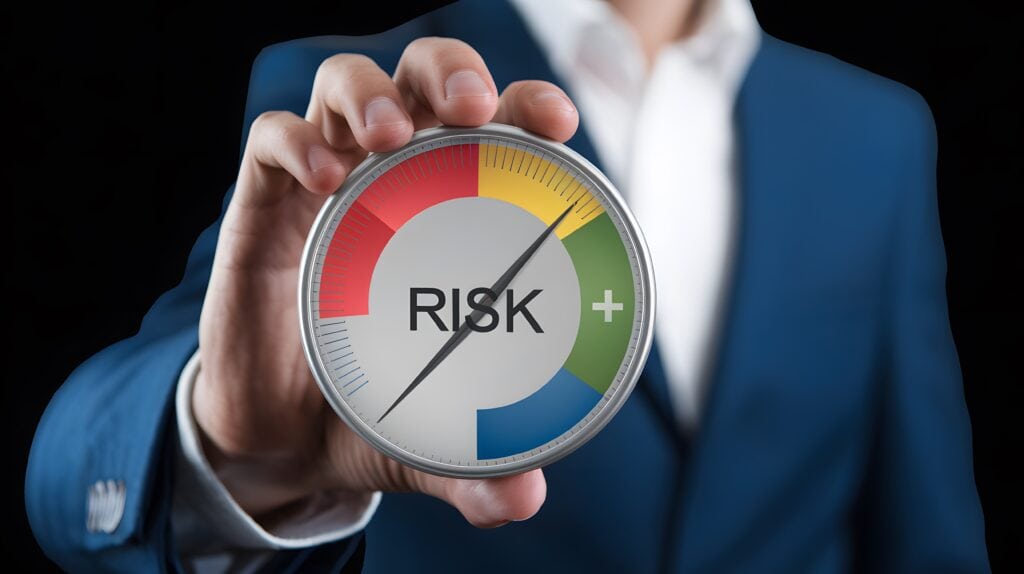
Operational Risk Management: Core Principles and Practices
Modern business operations face rising complexity from cyber threats, supply chain issues, and failed internal processes. Each mistake or delay increases risk exposure and disrupts performance. Without a structured system, risks multiply fast and often without warning.
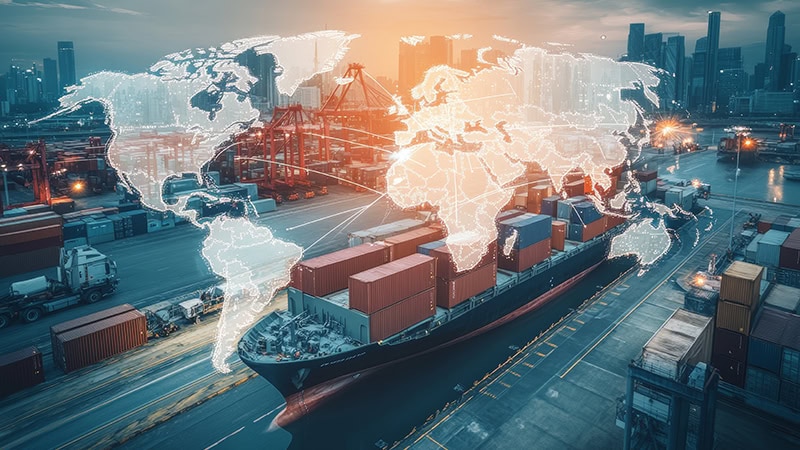
Global Supply Chain: What It Is, Importance, and Challenges
Studying the global supply chain reveals how products move from raw materials to finished goods across multiple countries. It connects manufacturing operations, distribution, and customer demand in a vast worldwide system. Many global supply chains involve complex steps and working relationships with foreign suppliers to meet the needs of international customers. Breaking down how global […]

What is Linehaul: Definition, How it Works, and Importance
What is a line haul? It refers to the transport of goods between two points, such as cities, ports, or even warehouses. Line haul transportation covers the long-distance part of the shipping process. It moves freight between hubs like sorting facilities or distribution centers, with the final destination being the endpoint of the shipping process, […]

UPC Meaning: What It Is, Types, and How to Get
Running a business today means staying organized, especially when selling products globally or across online marketplaces. Mismanaging items leads to errors, confusion, and lost sales. That’s where understanding UPC meaning becomes essential. A UPC—short for Universal Product Code—is a unique number and a type of bar code used for product identification. The barcode symbol, which […]
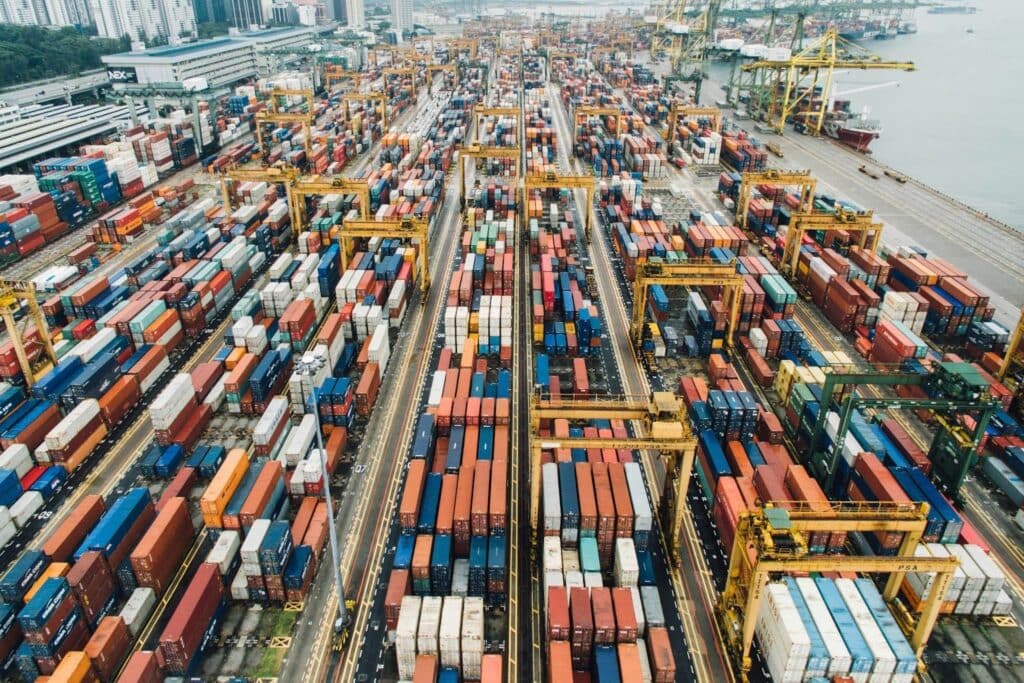
What is Supply Chain Forecasting? Best Methods, Benefits, and Challenges
Uncertainty hurts business. When companies don’t know what’s coming next, they overstock, underdeliver, and miss sales targets. Poor planning can wreck supply chain operations, increase costs, and frustrate customers. Supply chain forecasting refers to the process of predicting demand, supply, or pricing for products within an industry, using data from suppliers to anticipate stock availability […]
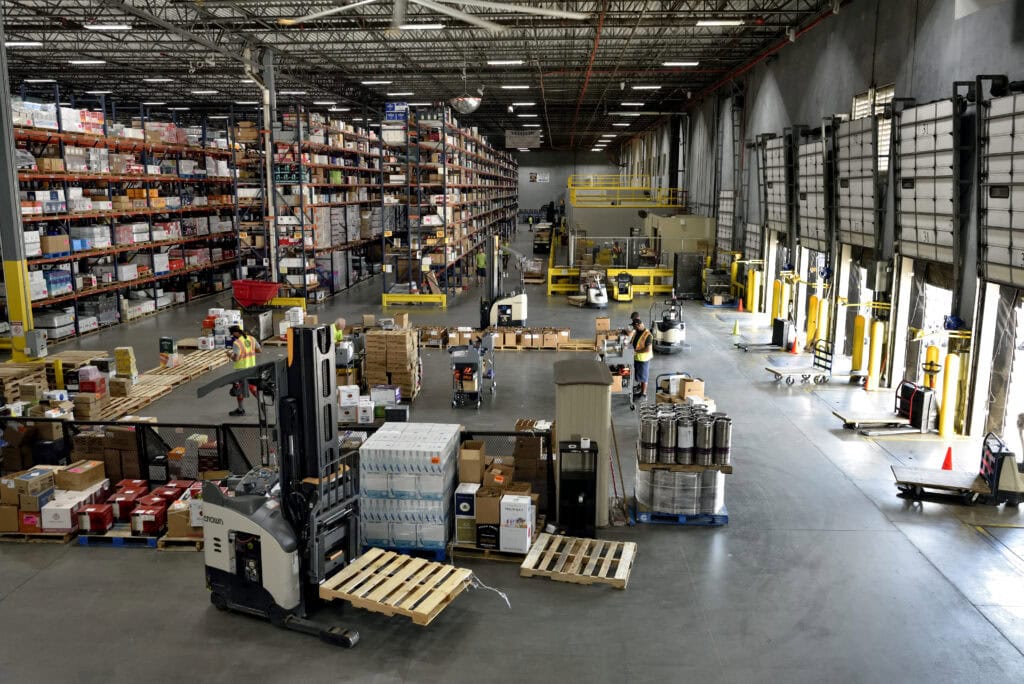
What is LIFO? Definition, Benefits, and Real World Use of Last In, First Out
Inventory valuation shapes how businesses report profits and manage taxes. The LIFO method—Last In, First Out—assigns the cost of the most recent purchases to the cost of goods sold, often reducing taxable income when prices rise. LIFO is one of several cost flow assumptions used in inventory accounting to determine how inventory costs are allocated […]

10 Tips to Help 3PLs Stay Ahead with the Right WMS
The right warehouse management system (WMS) can transform how 3PLs operate.