
The Philippines Container Crisis — A Harbinger of Transpacific Friction
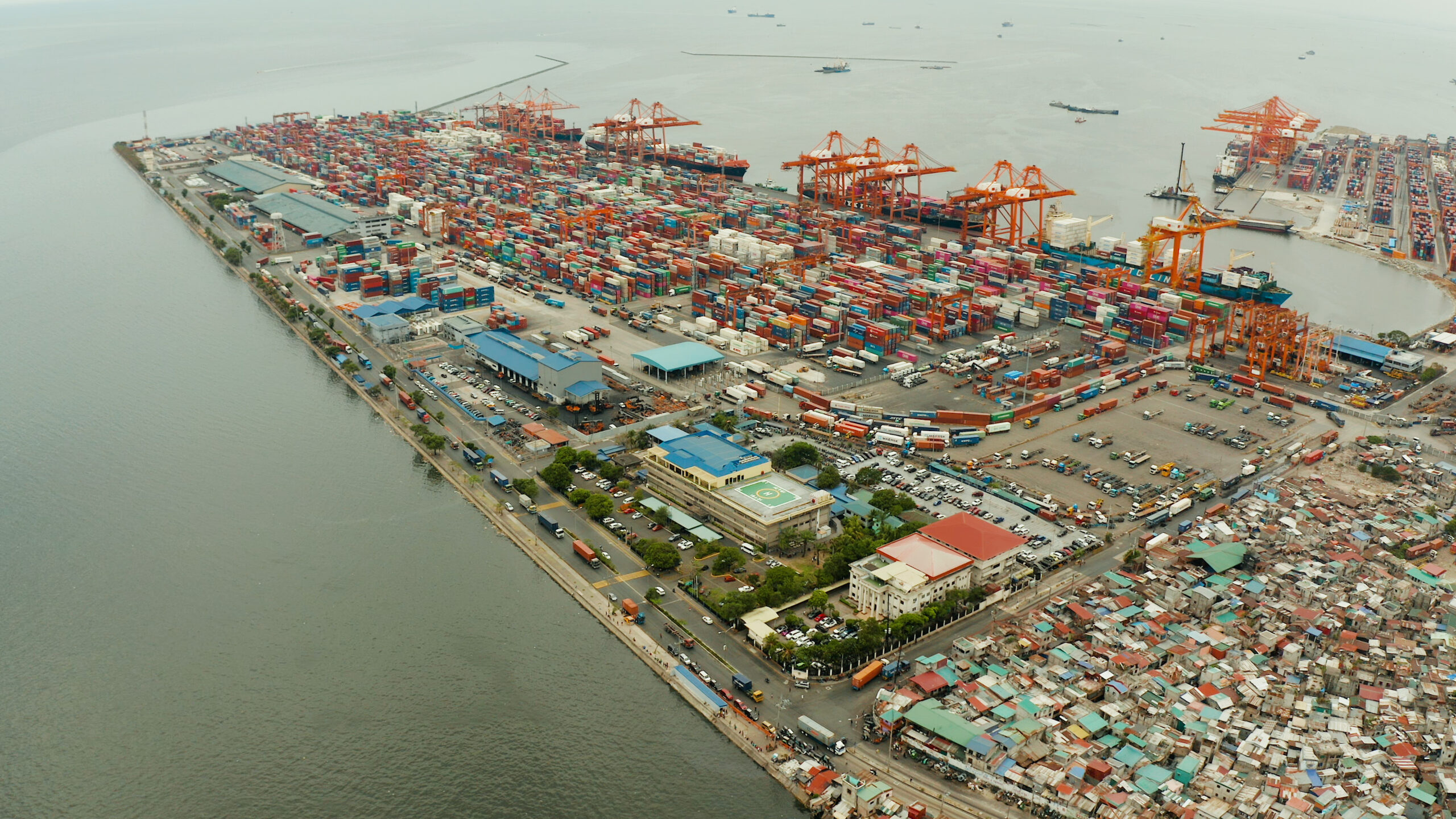

Do your Asia-Pacific supply lines touch Southeast Asia? Then dial into what’s going on at the Philippines ports of Manila, Batangas, and Subic Bay.
What started as landside container imbalance and yard congestion is now a serious operational bottleneck. What’s the problem? Imports are heavily outstripping exports leaving empty cans piling up with nowhere to put them. Off-dock storage is jammed at 100% capacity, and truckers are stranded waiting to drop off empty boxes.
First to take action is Hapag-Lloyd AG, by temporarily suspending new container bookings into Philippine ports through year-end. If that doesn’t take the pressure off, other liners will likely follow suit. Then local drayage delays will quickly cascade into broader feeder disruptions and regional port omitted sailings.
While you are waiting for the dust to settle you can take action to limit damage of similar SNAFUs:
• Build extra lead time into regional feeder schedules routing through Philippine transshipment gateways when destination ports lack off-dock empty storage.
• Audit your contracts to ensure you aren’t paying for carrier-driven gate closures.
• Negotiate clear terms regarding demurrage, detention, and return location liabilities when destination ports lack off-dock storage.
• Keep close tabs on local warehousing and bonded facilities which will be essential buffers while port fluidity normalizes.
We’re tracking how carrier delistings and empty-container evacuations play out and what it means for your broader demand-driven strategy.