
Asking the Right Questions About Hazmat Transportation
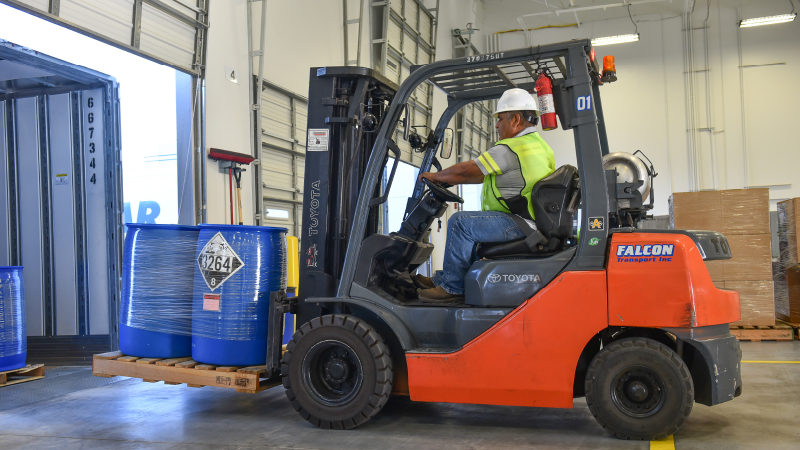

Hazardous materials transportation carries higher stakes. The right questions can reveal how a provider approaches safety, security, compliance, and communication.
When hazardous materials are involved, transportation decisions carry higher stakes. Compliance requirements, shipment security, and operational execution can all influence whether freight arrives as planned.
That’s why experienced shippers often evaluate more than rates and capacity when selecting a transportation provider. The right questions can reveal how a provider approaches safety, security, compliance, and communication before a shipment ever moves.
Start With Safety Credentials
One of the first questions to ask is whether a provider maintains recognized hazmat safety credentials and can explain the standards behind them.
Certifications, permits, and audit programs often provide insight into the maturity of a provider’s safety culture and operational oversight.
Just as important is understanding which hazardous materials a provider is equipped to handle. Hazmat freight spans nine hazard classes, each with unique transportation requirements. A provider with broad capabilities may help simplify execution across multiple shipment types.
Look Beyond Equipment
Equipment matters, but qualified capacity matters just as much. Ask how operators are trained, how qualifications are maintained, and what happens when disruptions occur. Shipment delays, equipment issues, and schedule changes can create challenges when qualified replacement capacity is limited.
Providers should also be able to explain the security measures used to protect hazardous freight in transit. Security planning, capacity vetting, cargo theft prevention, and shipment visibility are all important considerations when evaluating readiness.
Evaluate Compliance Resources
Hazmat transportation depends on accurate documentation and a clear understanding of regulatory requirements. Providers should have established processes for reviewing paperwork, supporting compliance questions, and helping customers navigate changing requirements.
Recurring training programs, internal audits, and safety reviews are additional indicators that compliance is embedded in day-to-day operations rather than treated as a one-time certification exercise.
Don’t Overlook Communication
When shipping hazardous materials, accountability matters.
Before selecting a provider, ask who will manage the shipment, how updates are communicated, and what escalation process is followed if issues arise. Clear communication can help reduce confusion and support faster decision-making when conditions change.
What Strong Providers Have in Common
While transportation providers may differ in size and operating models, the strongest hazmat programs typically share several characteristics: verified safety credentials, qualified capacity, documented security practices, compliance resources, and clear shipment oversight.
For example, specialized providers such as Landstar have invested in hazmat-specific resources, including a network of hazmat-endorsed owner-operators, dedicated compliance support, and access to equipment capable of supporting a wide range of hazardous materials shipments across North America, backed by an FMCSA Hazardous Materials Safety Permit held by less than 1% of U.S. carriers.
The Bottom Line
Hazmat transportation is about more than moving freight from point A to point B. It’s about selecting a provider with the processes, qualifications, and resources to support compliance, security, and execution throughout the shipment lifecycle.
Take time to ask questions that matter. The answers can provide valuable insight into a provider’s operational readiness and help determine whether they’re equipped to support your specific requirements.