
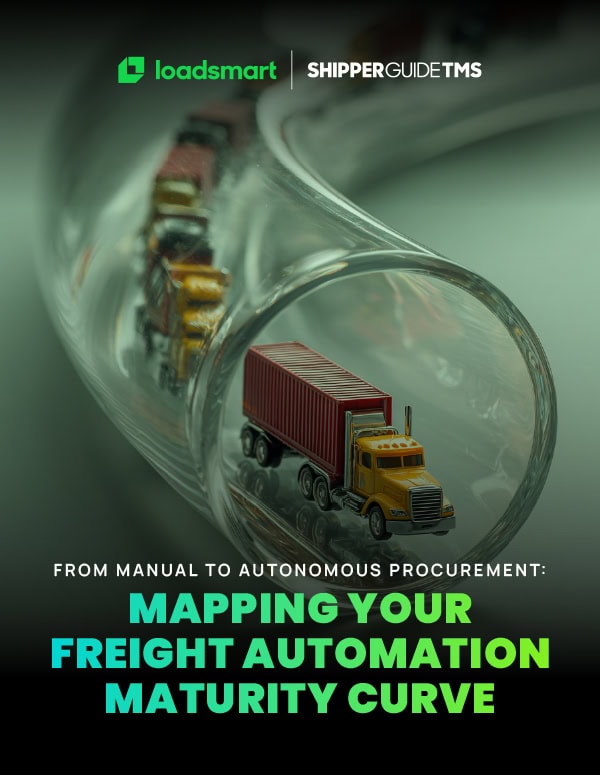
The Freight Automation Maturity Curve: From Manual Coordination to Autonomous Execution
Stop letting manual coordination limit your scale. This whitepaper introduces the Freight Automation Maturity Curve, a strategic framework for transitioning from labor-intensive spreadsheets to autonomous, system-driven procurement. By embedding decision logic directly into your workflow, you can decouple shipment volume from headcount, protect margins with automated economic guardrails, and shift your team’s focus from managing […]
Read More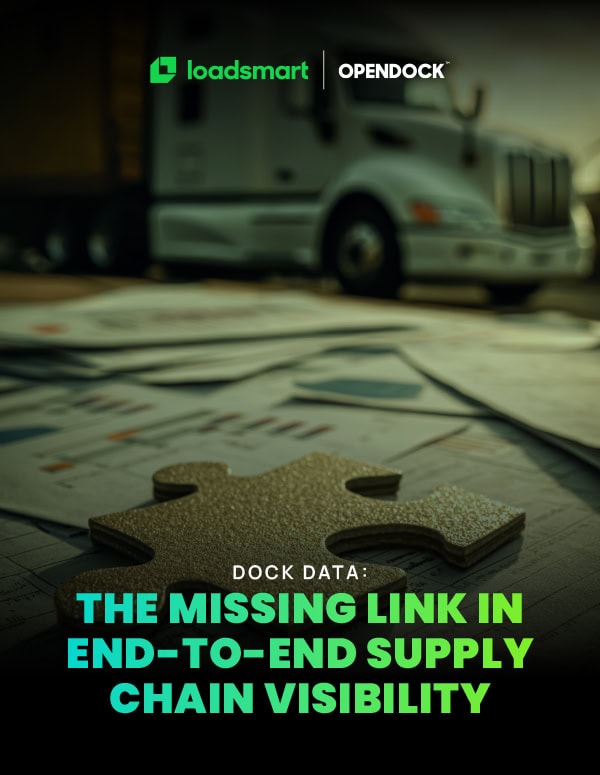
Dock Data: The Missing Link in Supply Chain Visibility
True end-to-end visibility shouldn’t stop at the facility door. While most supply chains track freight in transit, the dock remains an operational blind spot where plans often meet a chaotic reality. By capturing real-time dock data, you can eliminate the friction between transportation and warehouse teams, reduce costly congestion, and turn reactive adjustments into proactive […]
Read More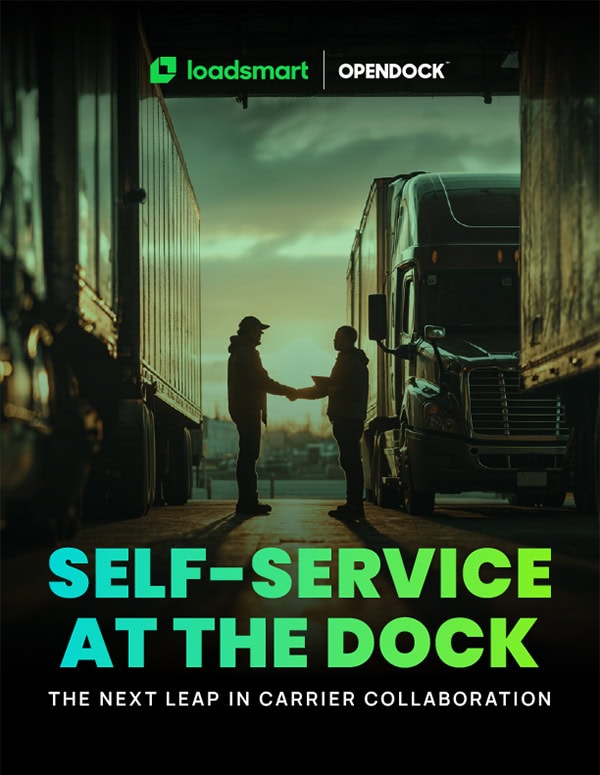
Self-Service at the Dock: The Next Leap in Carrier Collaboration
Manual dock scheduling is a hidden drain on your efficiency, leading to “email tag” and unpredictable arrivals. This guide explores how automated, self-service portals provide carriers with real-time visibility and instant booking. By shifting toward shared operational ownership, your facility can reduce administrative overhead, optimize labor planning, and ensure a smoother dock flow. Stop reacting […]
Read More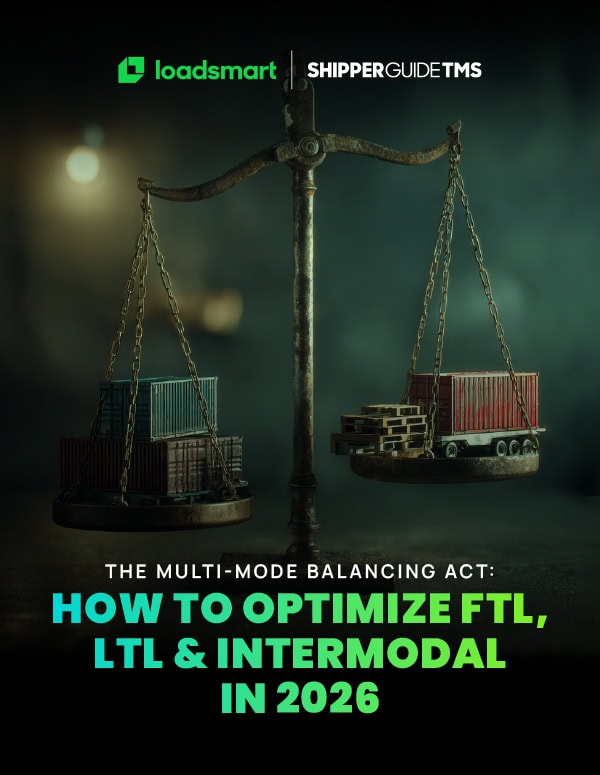
The Multi-Mode Balancing Act: How to Optimize FTL, LTL & Intermodal in 2026
In 2026, relying on a single transportation mode isn’t just risky—it’s expensive. As market volatility and customer expectations collide, top-tier supply chains are moving away from rigid FTL or LTL-only strategies. This executive summary breaks down the Multi-Mode Balancing Act, showing you how to weigh cost against transit time dynamically. Learn how a unified platform […]
Read More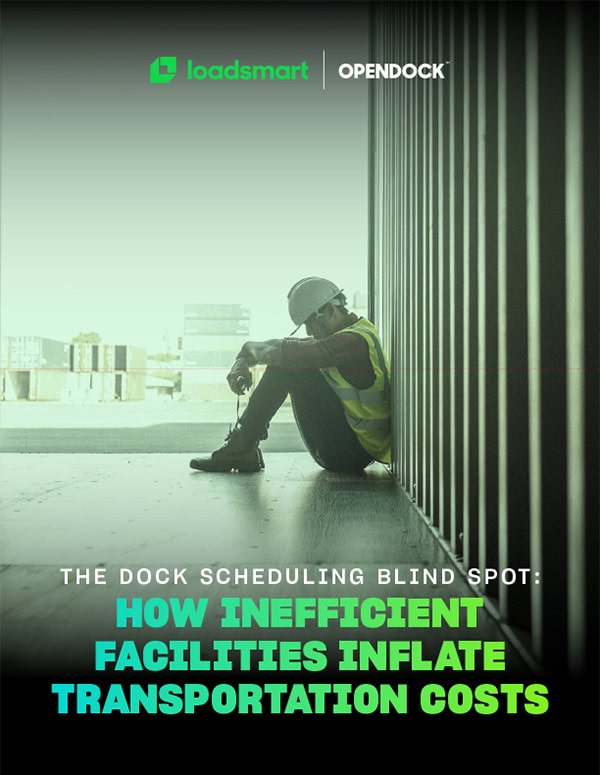
The Dock Scheduling Blind Spot: How Inefficient Facilities Inflate Transportation Costs
Are your dock operations draining your transportation budget? Many shippers overlook the facility as a source of high costs, but inefficient scheduling leads to detention fees, service failures, and carrier friction. Don’t let dock inefficiencies inflate your freight spend. Download this strategic playbook to bridge the gap between your facility and your bottom line.
Read More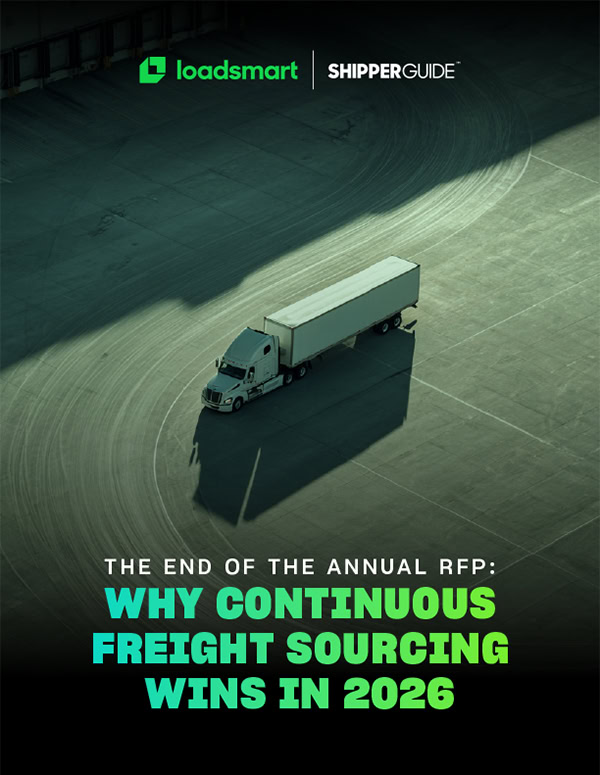
The End of the Annual RFP: Why Continuous Freight Sourcing Wins in 2026
In a volatile freight market, the traditional annual RFP is no longer enough to maintain a competitive edge. Static yearly contracts often lead to outdated pricing and an over-reliance on the expensive spot market. Continuous freight sourcing offers a modern alternative, replacing rigid cycles with an “always-on” strategy that aligns procurement with real-time market shifts.
Read More