
Orchestrating Inbound Freight: How Proven Dedicated Processes Keep Yards Flowing

Director of Dedicated Services,
Keller Logistics
Inbound freight should feel predictable. A trailer hits the gate, gets spotted to the door it was scheduled for, is unloaded inside its window, and the empty clears the yard before the next live load shows up. When that sequence holds, the yard breathes. When it breaks down at any step, the yard fills, dock doors stall, detention starts accumulating, and a receiving operation that ran clean yesterday is in firefighting mode by mid-morning.
After enough years running dedicated yards across food, retail DC, and manufacturing operations, one thing is consistent: the facilities that stay ahead of inbound volume are not necessarily the ones with the most space, the most doors, or the largest trailer pools. They are the ones that orchestrate inbound freight with intention — and that orchestration almost always lives or dies in the yard.
Effective inbound flow starts hours, sometimes days, before a trailer reaches the guard shack. Dedicated operations schedule against three constraints in parallel: appointment windows, dock door capacity by hour, and labor on the receiving side. When those three line up, drivers arrive into a yard that already knows what to do with them. When they don’t — when an appointment was set without checking dock or labor — the trailer becomes someone else’s problem the moment it checks in. The same logic applies to drop-and-hook versus live-unload decisions. Drop pools work when there is enough trailer inventory to absorb tempo swings; live unloads work when door and labor predictability is high.
Picking the wrong model, or trying to run both without sizing the trailer pool correctly, is one of the most common reasons yards congest.
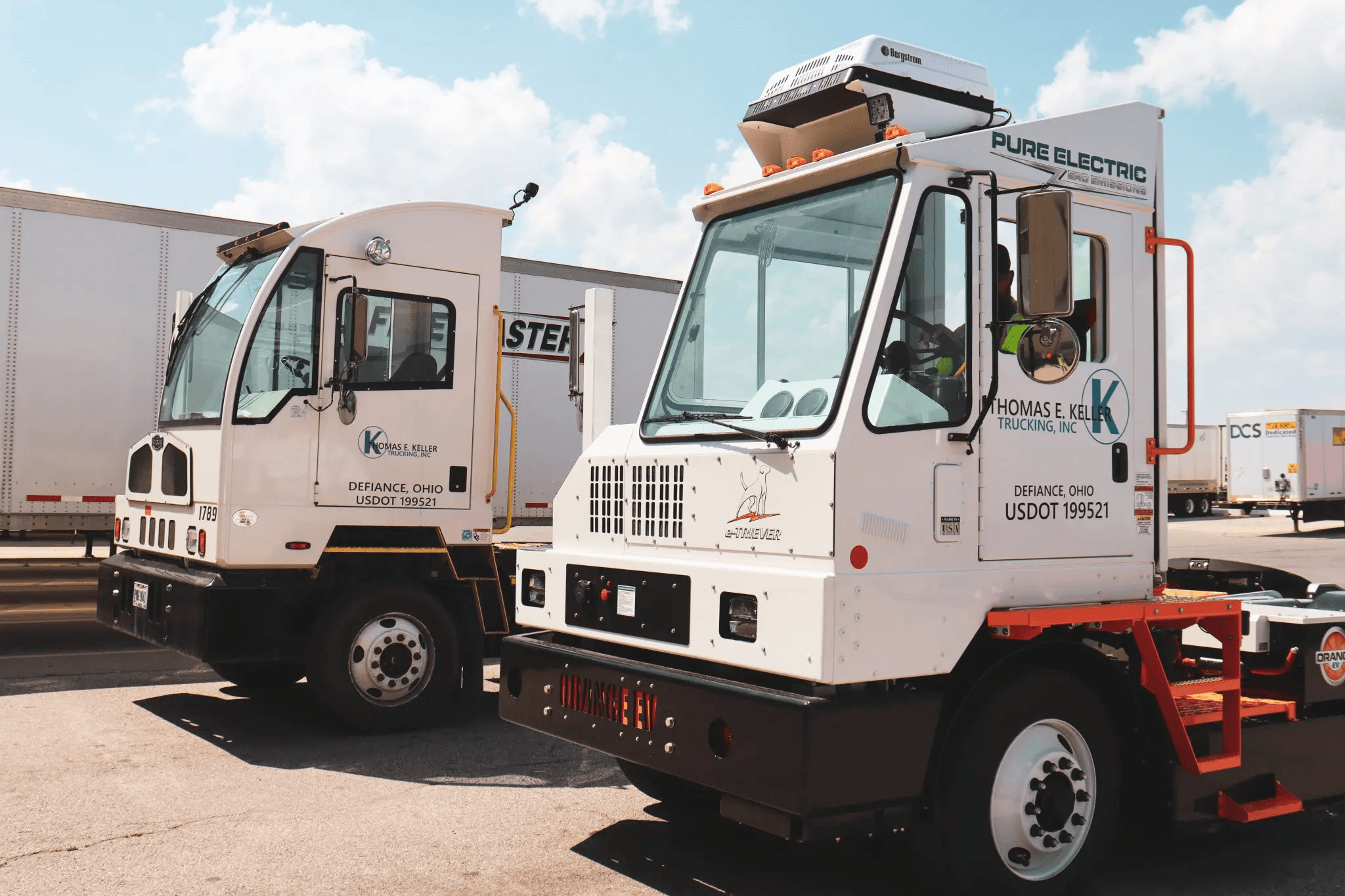
A dedicated spotter and shuttle operation is what translates the schedule into actual flow. The hostler is not just moving boxes around the lot; they execute a sequenced plan tied to the receiving schedule. Strong spotter teams hold consistent move times — typically inside 15 minutes from call to door — and stage the next several loads before anyone asks. They also clear empties off live doors aggressively, because every minute an empty sits at a working door is a minute the next inbound is sitting somewhere it shouldn’t. Shuttle operations extend that same logic outside the fence. Dedicated shuttles between a primary DC and a satellite yard, a manifest building, or a rail ramp turn what would be reactive trailer chasing into a planned cadence and absorb volume spikes without leaning on outside carriers at premium rates.
A common source of yard bottlenecks is unmanaged trailer dwell. Most operations track total dwell — gate in to gate out — and stop there. That number tells you where you ended up but not where it broke. Dedicated operations break dwell into segments: gate-to-spot, spot-to-dock, dock-to-empty, and empty-to-departure. When one segment starts drifting, the yard team knows exactly where to look. A creeping dock-to-empty number, for example, almost always points to unload labor or process, not to a trailer issue — and chasing it as a trailer problem wastes a week.
Standardized yard management is the cornerstone that makes the rest of it work. Whether through a YMS, an integrated TMS, or disciplined manual processes, every trailer is accounted for by status: live, staged, at door, loaded, empty. Spotters work from a queue, not from radio chatter and tribal knowledge. Receiving sees what is in the yard and why it is there. The result is fewer mystery trailers, fewer trips around the yard hunting for a specific load, and far fewer unproductive door swaps.
Consistency is what separates dedicated operations from common-carrier patchworks. Putting the same drivers, the same spotter team, and the same operational leadership on the same site day after day compounds quickly. Over-the-road drivers learn check-in protocols and yard flow. Spotters learn which doors run hot, which lanes are tight, and which customers have non-obvious staging rules. That accumulated site knowledge cuts gate time, miscommunication, and unnecessary moves — small inefficiencies that, multiplied across a few hundred trailers a week, become the difference between a yard that flows and one that does not.
Dedicated operations also force transportation, the yard, and the warehouse to manage to a shared scoreboard. On-time arrival, gate-to-dock time, spot move turn time, dock dwell, and unload duration get reviewed together — not in separate meetings where each function defends its own number. When a problem surfaces, ownership is clear and resolution is faster. That is what continuous improvement looks like in practice; the rest is talking points.
Yard congestion, ultimately, is rarely a space problem. Adding parking, leasing an off-site lot, or expanding the trailer pool buys time but does not fix what is broken upstream. The fix is orchestration — a schedule that respects dock and labor, a spotter team executing against a sequenced plan, real-time visibility on every trailer, and a shared scoreboard between transportation and the warehouse. Operations that build inbound around those four pillars do more than keep their yards moving. They build resilience, predictability, and cost control into the entire inbound network.