
Net Weight vs. Tare Weight vs. Gross Weight: A Comprehensive Guide

The complexity of shipping and logistics often rests on understanding a few fundamental measurements. For businesses involved in manufacturing, packaging, and supply chain management, distinguishing between net weight vs tare weight is critical. These terms—along with gross weight—are the pillars of accurately calculating shipping costs, ensuring regulatory compliance, and maintaining safety across transportation networks. Failing to understand these distinctions can lead to significant overcharges, delays, or serious safety violations. This comprehensive resource will define these three essential weight concepts and show how they are used across global industries.
The Importance of Shipping Weights
Accurate weight calculation is more than just a bookkeeping exercise; it is fundamental to the structural integrity and legality of global logistics. Misstating the cargo weight of a shipment can result in improper stowage, risking the stability of a ship or vehicle, which is why regulations like the Safety of Life at Sea (SOLAS) convention require verified weights. Furthermore, shipping costs are directly tied to the overall total weight of the goods being transported. Inaccurate reporting can lead to fines, delayed shipments, or outright rejection of the cargo at ports or terminals.
For high-volume shippers, a precise weight and accurate weight calculations for net weight and gross weight are essential for optimizing container capacity and avoiding penalties. Proper documentation, including the precise tare weight of the empty container, ensures that the maximum cargo weight limits are never exceeded, safeguarding both the goods and the personnel handling them.
These accurate weights also support accurate pricing and help avoid unexpected shipping fees when shipping goods.
Net Weight Defined
Net weight refers to the actual weight of the product or commodity itself, excluding any packaging or container. It is the measure of the pure goods you are buying, selling, or shipping. To calculate net weight, subtract the weight of the packaging materials from the overall total.
Formula for Net Weight:
Net Weight = Gross Weight – Tare Weight
Understanding net weight matters for customs paperwork, inventory control, and declaring net mass correctly. In the consumer goods industry, net weight is the figure listed on food labels to indicate the quantity of the product inside. In logistics, the net weight is crucial for customs declarations and calculating taxes, as it represents the value of the commodity being imported or exported. This weight is typically found on a bill of lading or a packaging list.
Tare Weight Defined
Tare weight refers to the weight of the empty container, packaging, or vehicle used to hold or transport the goods; tare weight includes the packaging, container, or vehicle only, not the product itself. It includes anything that is not the product itself, such as bottles, cans, shipping boxes, drums, pallets, or other shipping materials. Understanding the tare weight is essential because this amount is subtracted from the total weight to find the usable product weight (net weight).
Formula for Tare Weight:
Tare Weight = Gross Weight – Net Weight
For shipping purposes, the tare weight may refer to the weight of the intermodal shipping container, also known as the container weight. In that context, an empty shipping container shows its empty weight before any cargo is loaded. This measurement is stamped directly on the container itself. Tare weight is a vital component in determining the total cargo weight that can be safely loaded.
Gross Weight Defined
The gross weight is the total weight of a shipment. This measurement includes the weight of the product (net weight) plus the weight of all packaging and the container (tare weight).
Formula for Gross Weight:
Gross Weight = Net Weight + Tare Weight
The gross weight is the figure carriers use to calculate gross weight for billing and compliance, and it is the primary measurement that dictates whether a package or shipment meets the weight limitations of a carrier or vehicle. In shipping terms, it represents the complete weight or combined weight of the load and may also be called laden weight in transport contexts. This figure is universally documented on shipping manifests, bills of lading, and all other transportation documentation. Essentially, the gross weight includes everything necessary for the entire shipment to move from Point A to Point B, including packaging materials and containers.
Industry Standards For Cargo Weight Calculations
Standardized weight calculations are enforced globally to ensure safety and prevent infrastructure damage. The calculation of gross weight net and tare weight must be precise, particularly in road transport, where vehicles face strict weight limits on total gross weight to protect roadways and bridges. Penalties for non-compliance can involve significant fines and seizure of the shipment.
Accurate weight declarations also support safe freight transportation and help vehicles stay within legal weight limits for roads and bridges.
The calculation of gross weight requires certified measuring equipment as part of accurate weight management. For large cargo weight shipments, such as bulk liquids or grains, weights are often verified at certified weigh stations. The fundamental equation remains: Net Weight + Tare Weight = Gross Weight.

International Shipping Standards
For shipments across borders, weight verification is mandated by international law. The International Maritime Organization (IMO) introduced the Verified Gross Mass (VGM) requirement to prevent accidents at sea. Learn more about the maritime safety standards.
Gross Combination Weight
Gross Combination Weight (GCW) is the total weight of a powered road vehicle (like a truck or tractor) and any trailers or containers it is towing. In freight transportation, this matters because the loaded truck-trailer vehicle combination must stay within road regulations. It represents the maximum allowable operating weight for the combination. For example, a truck and a fully loaded trailer must not exceed the GCW.
Gross Combination Mass
Gross Combination Mass (GCM) is synonymous with GCW and is the maximum permissible weight of the towing vehicle, including its load and the attached loaded trailer. It is a key factor in licensing and regulatory compliance for heavy-duty trucking.
Gross Verified Mass
Gross Verified Mass (GVM), or VGM, is the total gross weight of a packed container, verified before it is loaded onto a ship. In ocean freight, VGM supports cargo safety, and as a practical reference point, a 20-foot shipping container has a tare weight of 2,280 kg. It includes the net weight of the cargo weight and the container weight (tare weight), and it is a legal requirement for maritime safety.
Gross Vehicle Mass
Gross Vehicle Mass (GVM) is the maximum operating weight of a single road vehicle when loaded, including the vehicle’s chassis, body, engine, driver, fuel, and cargo weight. It is defined by the manufacturer and is key to road safety regulations for loaded transport vehicles operating within manufacturer ratings and road rules. Exceeding the maximum gross weight creates safety and compliance issues.
Gross Vehicle Weight
Gross Vehicle Weight (GVW) is often used interchangeably with GVM. It is the total weight of the vehicle and its contents at a specific moment. A vehicle’s GVW must never exceed its maximum rated GVM.
Gross Trailer Weight
Gross Trailer Weight (GTW) is the total weight of the trailer and the cargo weight it is carrying. This measurement is used to determine the necessary hitch class and tongue weight for safe towing.
Net Vs. Gross Vs. Tare
The distinction between these three weights—net weight vs tare weight vs gross weight—and the practical contrast of gross weight vs tare is vital for accurate business operations. In shipping and pricing, tare net and gross figures work together, and understanding net and gross weight helps businesses calculate costs and manage inventory correctly. The tare weight acts as the necessary intermediary, the difference between the pure product and the full shipping package. Misunderstanding this relationship can lead to errors in inventory, customs duties, and structural safety assessments, making the proper gross weight calculation essential for logistics. Knowing how these measurements gross weight work also improves documentation and handling decisions.
Payload Weight
Payload Weight is the carrying capacity of a vehicle or container, or the maximum amount of cargo weight—the cargo load it can safely carry—that can be loaded. It is essentially the net weight capacity.
Payload Weight = Gross Vehicle Mass (GVM) – Kerb Weight
Kerb Or Curb Weight
Kerb Weight (or Curb Weight) is the unladen weight of a vehicle with a full fuel tank and all necessary operational equipment, but with no passengers or cargo weight. It is a form of tare weight applied specifically to vehicles.
Examples Of Net, Gross, And Tare Weight Applications
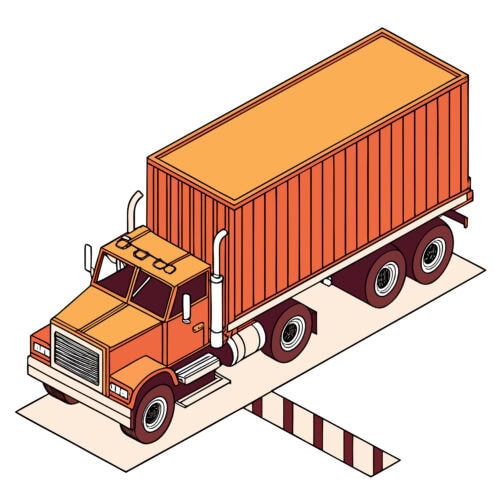
In product packaging, a can of soup might have a net weight of 10.5 ounces (the soup itself), while the can and label add 1.5 ounces and affect both the gross weight and the cost of shipping. Therefore, the total comes to 12 ounces. In logistics scenarios, if an empty container has a tare weight of 4,000 lbs, and you load 50,000 lbs of cargo weight (net weight), the container gross weight will be 54,000 lbs, which shipping companies use for billing and load planning. The same principles apply in air freight as well as containerized transport, though weight limits differ by mode.
Common Misconceptions About Weight Terms
One common misconception is confusing net weight with actual weight; in vs net weight comparisons, a scale reading may reflect the physical total on the scale, which is technically the gross weight, not the product’s net weight. Another myth in the shipping industry is that the container’s weight (tare) is negligible; however, this unladen weight is significant, and misreading it can distort freight costs and create issues across the broader shipping process, so it must be included in the gross weight calculation to avoid exceeding legal limits. Always check shipping labels to confirm whether the weight listed is the net weight (the product) or the gross weight (everything). For instance, check official documentation for customs guidelines.
FAQs
Here are quick answers to some frequently asked questions about cargo weight definitions.
What Is Tare Vs. Gross Vs. Net?
Net weight is the product only; tare weight is the packaging/container; and gross weight is the combination of the net weight and gross.
What Is The Formula For Net Weight?
The formula for net weight is the total weight (gross weight) minus the weight of the container or packaging (tare weight).
What Does Tare Weight Mean?
Tare weight means the weight of the packaging, vehicle, or empty container itself, before any goods (net weight) are added for shipment.
Summary Of Cargo Weight Definitions
Mastering the difference between net weight vs tare weight is foundational for compliance, safety, and controlling your shipping costs. Remember that the net weight gross relationship defines all logistical operations: Net weight is the value, tare weight is the enclosure, and gross weight is the required total for safe transport. Accurate management of these three metrics simplifies international commerce.