
Articles
Global Logistics

Will More U.S. Companies Turn to Nearshoring to Diversify Supply Chains in the Next Five Years?
Nearshoring will accelerate as companies respond to climate risks, economic uncertainty, and shifting trade policies. Tariffs and global disruptions are pushing businesses to reassess supply chains for greater resilience and efficiency. In today’s fast-moving environment, nearshoring strikes the right balance between speed, risk mitigation, and cost. –Mita Gupta Executive Vice President and Global Business Unit […]
Read More
What Is a Bonded Warehouse? Why It Matters More Than Ever in Global Logistics
Whether you’re expanding to new markets, trying to manage costs, or simply looking to strengthen your logistics strategy, bonded warehousing deserves a closer look.
Read More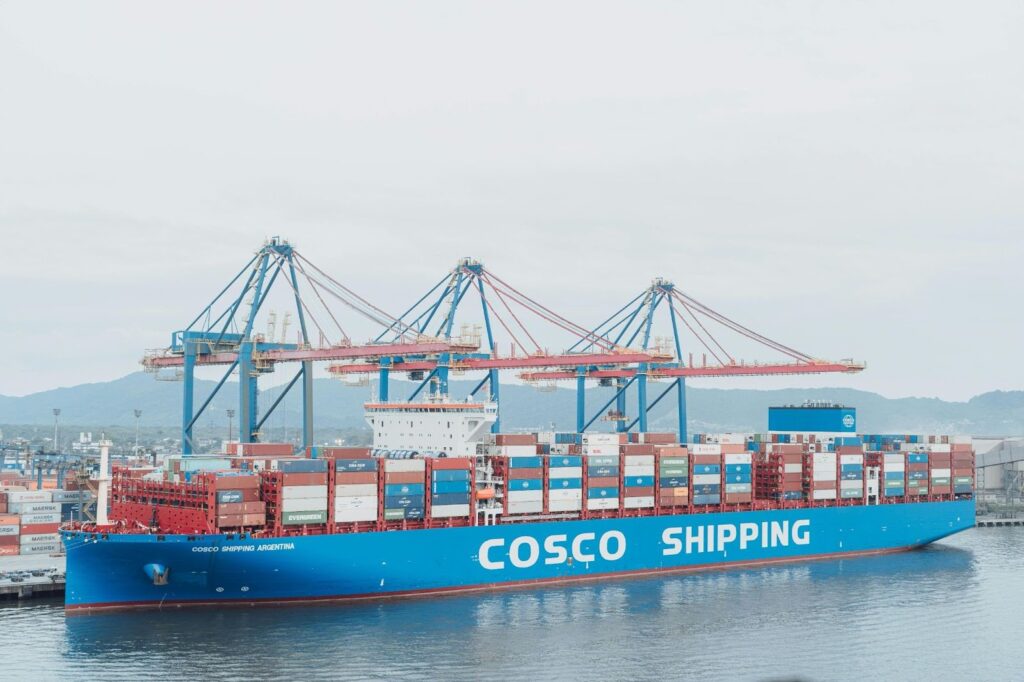
Consignee vs. Consignor: Their Key Shipping Differences
In every freight shipment, two key roles drive the process: consignor and consignee. Without them, no shipment would reach its final destination, and no freight carrier could move cargo efficiently. A consignor is the party sending the goods. Ownership of the goods remains with the consignor until payment is made. The consignee does not own […]
Read More
Navigating Tariff Shifts: How U.S. Foreign-Trade Zones Help Supply Chains Stay Resilient
As global trade faces uncertainty amid shifting tariffs, economic nationalism, and ongoing geopolitical friction, U.S. businesses are increasingly turning to Foreign-Trade Zones (FTZs) as a powerful tool to remain competitive. The U.S. is home to more than 230 approved FTZ projects and nearly 400 subzones, collectively supporting 600+ warehouses across the country. These special zones […]
Read More
The Tariff Tangle: How New Trade Barriers Are Reshaping Global Business
Importers are understandably concerned about what tariffs mean for their business, and the bottom line is that the levies will certainly change their business—for better or worse.
Read More
Tariffs Can Drag Down Your Supply Chain, Unless You’re Prepared
With the United States implementing at least some new tariffs on goods from a number of important export countries, attention across the logistics world is turning, once again, to developing resilient supply chains.
Read More
Harmonizing Logistics In India
As more companies look to diversify their supply chains, India’s abundant labor and expanding domestic market strikes the right chord. Yet, navigating its complexities requires a well-orchestrated strategy. Success comes from trusted partnerships and clear, coordinated planning.
Read More
Tariffs Shake Up Global Supply Chains: What Businesses Can Do Next
Trump’s “Liberation Day” tariffs represent a system shock that will lead to long-term change. Here’s how to start preparing:
Read More
Global Supply Chain Strategies: Certain Uncertainty
Global trade faces mounting uncertainties, from shifting geopolitical tensions to the ever-present risk of natural disasters. To stay resilient, organizations must cultivate leaders with geopolitical expertise, enhance supply chain redundancy, and leverage technology for faster, data-driven decision-making in an unpredictable landscape.
Read More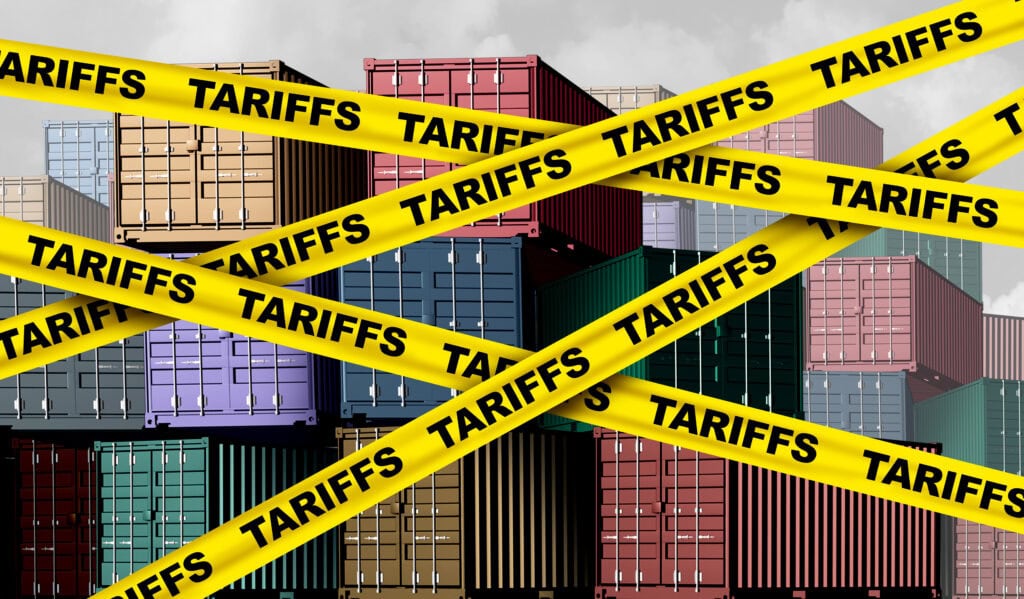
The Trade Policy Tightrope: Balancing Supply Chain Realities
As the U.S. tightens trade policies, businesses face a stark reality — reshoring isn’t instant, and supply chains built over decades can’t be undone overnight. What’s a CEO to do?
Read More
The State of Globalization; Combatting Cybersecurity Threats; AI for Small Manufacturers; and other Logistics News
Discover the latest insights driving the future of the global supply chain, from emerging technologies to shifting market dynamics.
Read More
FCA Meaning: The Ultimate Guide to Free Carrier Shipping, Obligations, and Responsibilities
Dealing with international shipping requires clarity on responsibilities, costs, and legal duties for buyers and sellers, which is why understanding the trade term FCA meaning—Free Carrier Shipping—can significantly improve your logistics planning and avoid costly mistakes. In this arrangement, the seller handles delivery to a specified location, transferring responsibility and risk once the goods reach […]
Read More
Transforming Supplier Risk Management: The Role of AI and Predictive Analytics in Complex Supply Chains
Supply chains globally are growing at a massive scale. This interwoven web has become so complex, that it has become an insurmountable challenge for companies. With this growth, the supplier’s risks have increased exponentially.
Read More
Tackling Tariffs and Trade Headaches: How to Overcome Supply Chain Visibility Gaps and Global Barriers
Supply chain and logistics managers face global trade barriers and geopolitical risk and uncertainty. Here’s how to handle tariffs and prepare for supply chain disruptions.
Read More
Tariff(ic) Counterwinds Ahead, Are You Ready?
The upcoming year could be tough for the supply chain with expected new administration tariffs, stricter immigration policies, and potentially new port strikes that all could begin in early 2025.
Read More
Podcast Roundup: Hear & Now
Our audience played these 12 podcasts on repeat in 2024. Listen for insights on everything from dedicated transportation solutions to nearshoring to managing supply chain disruptions.
Read More
Your Top Questions on Tariff and Trade Uncertainty Answered
Here’s what every shipper should consider to stay in front of today’s fast-changing trade and tariff landscape. A customs and compliance director explores some of the top questions from shippers as they plan for what’s next.
Read More
9 Regulations Reshaping Global Logistics: Here’s How to Decode Them
Navigating the complex maze of regulations—from CBAM to the UFLPA—can feel like searching for hidden words in a difficult puzzle. With increased scrutiny on environmental, labor, and consumer impacts, global supply chains must stay ahead of the shifting regulatory landscape.
Read More
How 2025 Tariffs Could Spark Supply Chain Innovation
Projected tariffs for 2025 are set to reshape global supply chains, creating both challenges and opportunities for businesses.
Read More
Received for Shipment Bill of Lading: Definition, How It Works, and Importance
Introduction Received for shipment is a critical status in international shipping that directly impacts exporters, importers, and freight forwarders. For these stakeholders, understanding the “received for shipment” status is essential because it determines when risk and responsibility for cargo transfer, affects payment processing, and ensures compliance with international trade regulations. A Received for Shipment Bill […]
Read More