
Will AI Replace Freight Brokers? Understanding the Future of Brokerage in a Tech-Driven Supply Chain
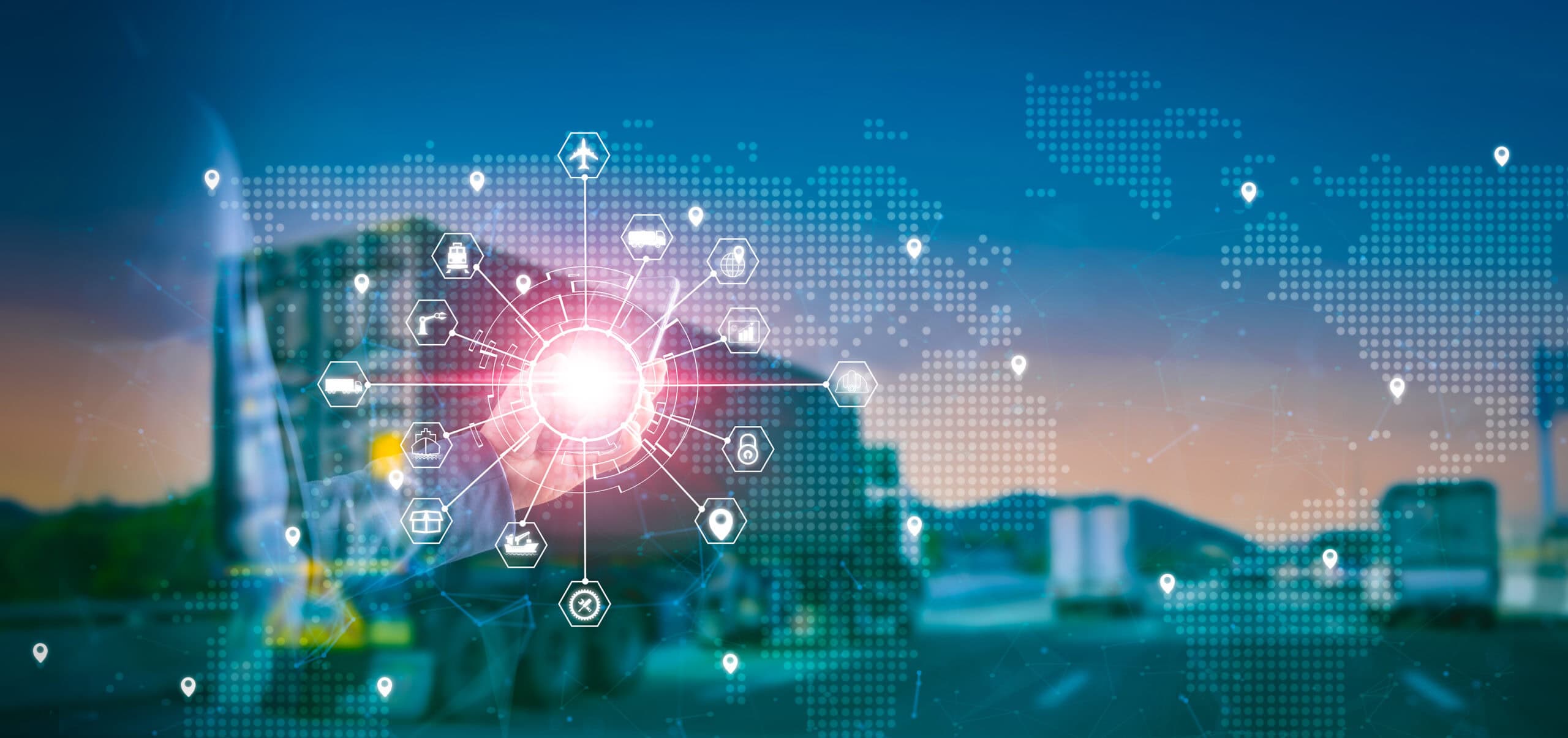
As artificial intelligence (AI), automation, and machine learning advance across the supply chain, one question has moved to the forefront of logistics conversations: Will AI replace freight brokers?
The short answer: Total replacement is unlikely, but transformation is inevitable.
AI is already reshaping how brokers quote freight, match loads, communicate with carriers, and manage data. But the core human elements of brokerage, such as relationship building, complex negotiation, and crisis management, remain difficult for AI to replicate.
Instead of replacement, the freight broker role is entering a new era of AI-powered augmentation, where technology handles repetitive tasks and brokers shift their focus to high-value strategic work.
AI will not eliminate the broker role, but it will significantly alter what brokers do and how they work. Transactional, data-heavy tasks are becoming automated, while the work requiring human judgment, empathy, and strategic thinking remains essential. Let’s break it down and answer the question of: What is the likelihood of freight broker functionalities being replaced by AI enhanced technologies?
Transactional Tasks Have a High Likelihood of Automation
The functions that are repetitive, data-heavy, and require minimal human judgment are being rapidly automated by AI-enhanced technologies. These include the following:
| Broker Functionality | AI/Automation Impact | Current Likelihood of Automation |
|---|---|---|
| Rate Quoting & Pricing | AI analyzes real-time market data (capacity, trends, historical rates) to generate precise, competitive quotes in seconds, replacing slow, manual calculations. | High |
| Load Matching | Algorithms instantly match a shipper’s load specifications to the best available, vetted carrier in the network, optimizing based on cost, transit time, and reliability. | High |
| Tracking & Updates | Automated visibility platforms and smart agents provide real-time updates and handle “where is my freight” requests, eliminating constant manual check calls. | High |
| Data Entry & Documentation | AI uses optical character recognition (OCR) and natural language processing (NLP) to extract information from emails, contracts, and documents, automatically populating the Transportation Management System (TMS). | High |
| Carrier Vetting (Initial) | Automated systems check for proper insurance, safety ratings (e.g., FMCSA scores), and compliance before a human broker even sees the carrier. | High |
Strategic & Relationship Tasks Have a Low Likelihood of Replacement
The functions that require nuanced human skills—such as emotional intelligence, complex negotiation, and crisis management—are where the human broker will remain essential. These tasks will be augmented by AI, not replaced.
| Broker Functionality | Why AI Cannot (Fully) Replace It | Broker’s Evolved Role |
|---|---|---|
| Complex Negotiation | Negotiating edge cases like multi-leg routes, unique cargo requirements, or securing capacity during a major natural disaster requires human creativity and relationship capital. | Strategic Negotiator: Focuses on high-value, complex loads and long-term contract pricing. |
| Issue Resolution & Crisis Management | Dealing with an accident, a cargo claim, or a carrier suddenly backing out requires empathy, quick decision-making under stress, and building trust with an immediate solution. | Logistics Consultant: Acts as the high-level problem-solver and risk manager when things go wrong. |
| Relationship Building | Cultivating and maintaining trust-based, long-term relationships with core shippers and reliable carriers is key to securing consistent business and reliable capacity. | Account Manager: Deepens customer loyalty and develops high-level supply chain strategies for clients. |
| Compliance Interpretation | While AI checks compliance boxes, a human is needed to interpret nuanced regulations for unique cross-border or specialized freight shipments. | Compliance Expert: Ensures complex legal and regulatory requirements are met, minimizing legal risk for the client. |
How AI-Driven Brokerage Changes Will Impact Shippers
While broker roles are evolving, shippers will experience several direct benefits as AI reshapes the logistics landscape. These six are the most likely:
1. Faster, More Accurate Pricing
AI-driven quoting tools analyze capacity, historical data, and real-time market signals.
Shippers benefit from:
- More precise spot quotes
- Faster responses
- Reduced rate volatility
2. Enhanced Visibility and Predictability
Automated tracking systems provide real-time location updates without manual check-ins.
Outcome: fewer surprises, better planning, and stronger customer satisfaction.
3. More Reliable Carrier Matching
Algorithms pair loads with carriers based on performance, cost, safety, and on-time history.
Shipper benefit: improved service quality and fewer failed loads.
4. Streamlined Documentation
AI extracts and processes paperwork instantly.
Impact: faster tendering, fewer errors, and smoother audits.
5. Stronger Strategic Support
As brokers spend less time on administrative work, they shift toward:
- Network optimization
- Capacity planning
- Market intelligence
- Risk mitigation strategies
Shipper benefit: gaining a logistics partner who is more consultative and data-driven.
6. Increased Pressure to Digitize
As brokers adopt AI, shippers may feel pressure to upgrade their own systems, including EDI, APIs, and visibility tools, in order to keep pace. Those who digitize will benefit most from the new broker-shared efficiencies.
Looking Ahead: What AI Means for the Future of Freight Brokerage
The freight broker role is shifting from a transactional intermediary—focused on phone calls, paperwork, and manual updates—to a strategic logistics expert enabled by technology. The freight broker of the future will be a hybrid professional: part technologist, part strategist, and part relationship builder.
The future broker will:
- Use AI to handle 80% of administrative and repetitive tasks.
- Spend the remaining 20% of their time on complex, high-value, human-centric work.
- Provide strategic insights using data from automated systems.
- Strengthen relationships with carriers and shippers through trust and expertise.
- Become more efficient, responsive, and consultative.
The freight brokers who thrive in the years ahead will be those who combine the speed of AI with the irreplaceable nuance of human logistics expertise—creating a more efficient, resilient, and collaborative supply chain.
As a result, shippers can expect faster service, more accurate pricing, and improved visibility, while brokers who embrace AI will be well-positioned to offer deeper expertise and stronger partnerships.