
Katrina Arabe, Senior Editor

Katrina is a long-time editor and writer in the B2B space, working on publications such as Facilities, Engineering News-Record, and Architectural Record. In 2015, she joined Inbound Logistics and has served as the platform’s content gatekeeper. From developing feature stories with contributing editors to managing guest bylines and crafting crowdsourced editorial sections, Katrina aims to produce engaging content and is always looking for good responses to the monthly Good Question: www.inboundlogistics.com/good-question.
Articles by Katrina Arabe

Your Top Questions on Tariff and Trade Uncertainty Answered
Here’s what every shipper should consider to stay in front of today’s fast-changing trade and tariff landscape. A customs and compliance director explores some of the top questions from shippers as they plan for what’s next.
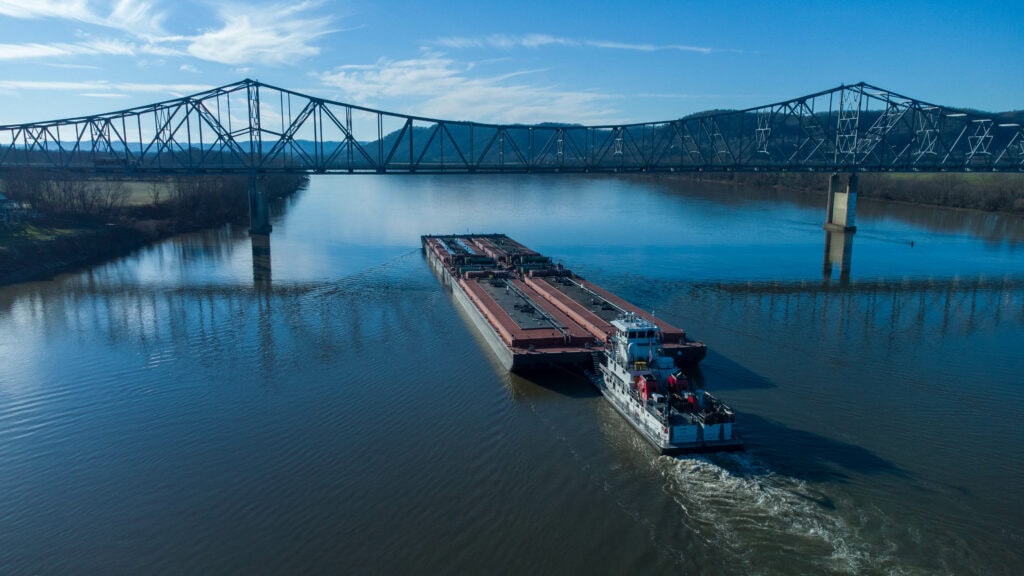
Inland Waterways: The Key to Resilient and Sustainable Supply Chains
As businesses facing growing pressure to bolster resilience and sustainability, technological advancements and last-mile logistics take center stage. But one critical yet underappreciated element deserves a spotlight: inland waterways. These natural networks offer a reliable, efficient, and eco-friendly mode of transportation that plays a vital role in future-proofing supply chains.

Global Logistics Leader Rallies Support in Rebuilding Ukraine
Logistics Plus blends business investment with humanitarian support.

10-Step Agenda for Your Supply Chain: Securing a Successful 2025
Here are the top 10 major trends affecting inbound logistics in 2025:

Streamlining Returns for Smarter Operations
Returns are an increasingly costly reality for retailers and e-commerce businesses. Those that can streamline the process — while minimizing costs — will be better positioned to meet consumer demands and mitigate operational risks.

How 2025 Tariffs Could Spark Supply Chain Innovation
Projected tariffs for 2025 are set to reshape global supply chains, creating both challenges and opportunities for businesses.

No Party for Supply Chain Companies: The Illinois Biometric Information Privacy Act
Supply chain companies should review their collection of biometric identifiers or information in their warehouse operations. Here’s what to learn from the case against Party City:

Fixing Automobile Supply Chain Inefficiencies with Real-Time Location Intelligence
The automotive supply chain stands as one of the most complex networks of interdependencies in the world. Each segment of this supply chain is vital, from the original equipment manufacturers to the transporters.

Put Your Warehouse Management System to the Test: 10 Critical Steps
While WMS implementations can offer significant ROI, they also come with inherent risks. Here’s how to comprehensively test your warehouse management system:
Preparing for Emerging Global Supply Chain Challenges
How can the the global trade sector remain competitive and relevant in an increasingly fragile digital economy? Here are four proactive approaches.

Auto Supply Chains: Pinpointing the Commercial Case for Sustainability
Pinpointing and quantifying the commercial case for green initiatives in the automotive industry is tricky. To sharpen sustainability planning, try this modeling technique: Treat environmental performance as a product feature, one of many that customers consider when making purchasing decisions.

Broker Transparency – Why It’s Both Unnecessary and Burdensome to Industry
By prioritizing an outdated and unnecessary regulatory debate, FMCSA has chosen to misdirect its resources and attention, leaving a glaring and urgent problem unaddressed: freight fraud.

Turning Cold Chain Data Into Smart Decisions
Supply chain companies have the data they need to optimize performance, but they lack the ability to turn that data into actionable insights. Here’s how they can put that data to use.

Canada’s Supply Chain Act Is in Effect. Complying May Be Easier Said Than Done.
It’s a truth businesses can’t ignore: Various forms of modern slavery are embedded throughout the global supply chain, across geographies and industries. What meaningful steps can organizations take?

3 Key Questions to Answer Before the DSCSA Stabilization Period Ends
Life sciences and healthcare supply chain organizations must comply with the serialized traceability requirements of the Drug Supply Chain Security Act by Nov. 27, 2024, unless they have applied for an exemption. Here are three questions you should answer before the stabilization period ends.

Bridging the Divide: How Connector Countries Can Shape the Future of Global Trade
In a world of geopolitical tensions and economic fragmentation, connector countries are essential bridges, ensuring the seamless flow of goods and fostering economic stability.

Temperature-Sensitive Mail Order Pharmaceuticals: How AI Offers a Solution to the Risk of Spoilage and Degradation
Any wrinkle in the supply chain can jeopardize the efficacy of certain pharmaceutical products. Maintaining the integrity of perishable pharmaceuticals, particularly those delivered via mail order, is a challenge that can be tackled with artificial intelligence.

How Procurement Can Prepare for the Inevitable, Sustainable Future
To meet sustainability initiatives, chief procurement officers must untangle a complex web of global supply chains, dizzying individual country standards, and more. Here are the four major challenges and how they can tackle them:
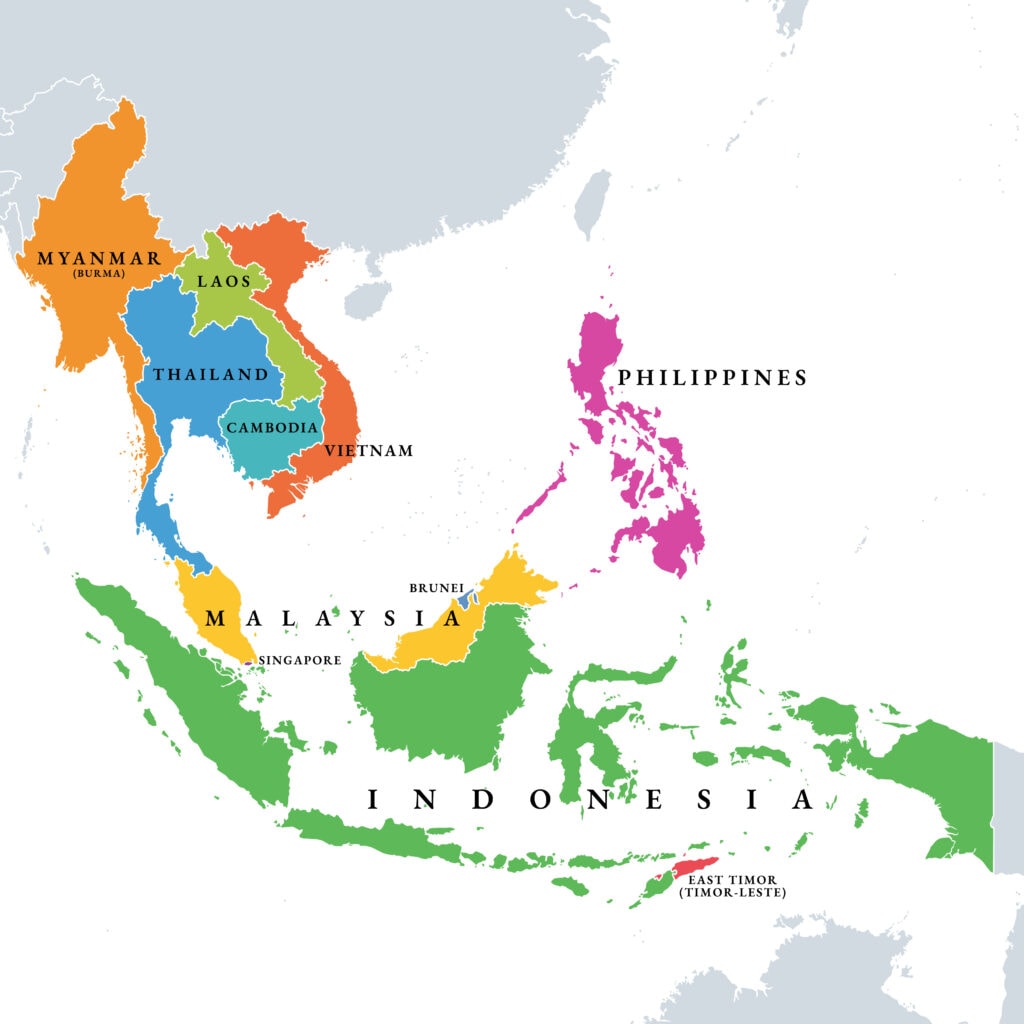
Solving the Southeast Asia Logistics Puzzle
Southeast Asia is growing as a driving force in global trade. Its logistics sector has faced several stress tests in recent years. Here’s one factor that can make a difference.

How the 2024 Presidential Election Could Impact Supply Chains
The importance of efficient and resilient supply chains cannot be overstated, and with the 2024 presidential election rapidly approaching, supply chain organizations are starting to feel the weight of political uncertainty.
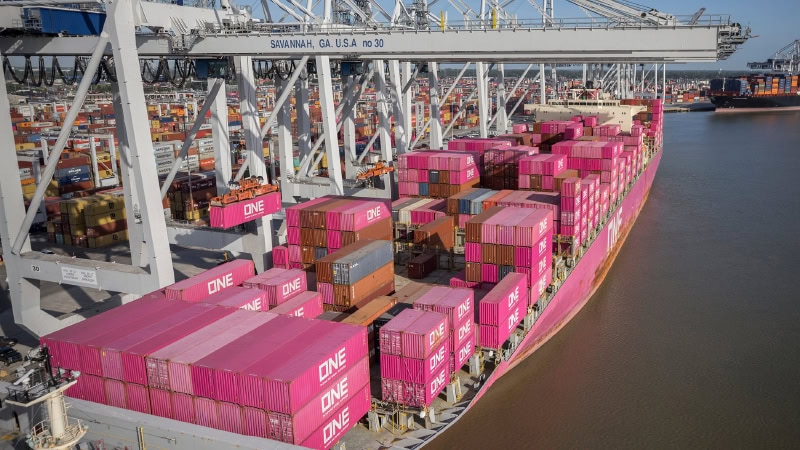
Looming East Coast Port Strike to Impact Supply Chains
Negotiations between the International Longshoremen’s Association (ILA) and United States Maritime Alliance (USMX) have stalled, leading many to believe an ILA strike may begin on October 1. Here’s how it would impact U.S. supply chains.
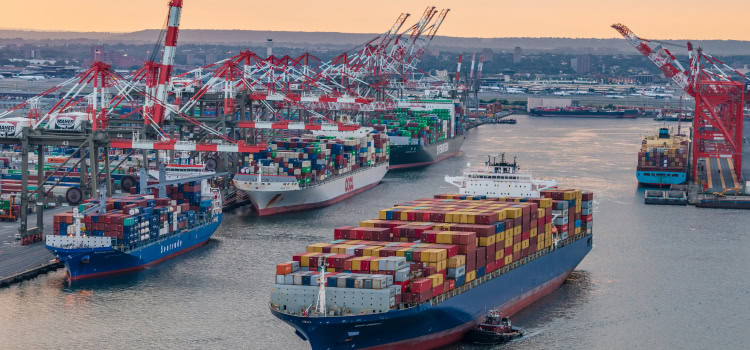
Companies Prepare for Fallout from East Coast Port Strike
Disruptive strike actions have begun at major U.S. ports on the East and Gulf Coasts such as New York-New Jersey, Savannah, and Houston, exposing ports across the United States to work stoppages, shipping and cargo processing delays, and worsening backlogs. Three main scenarios could unfold.
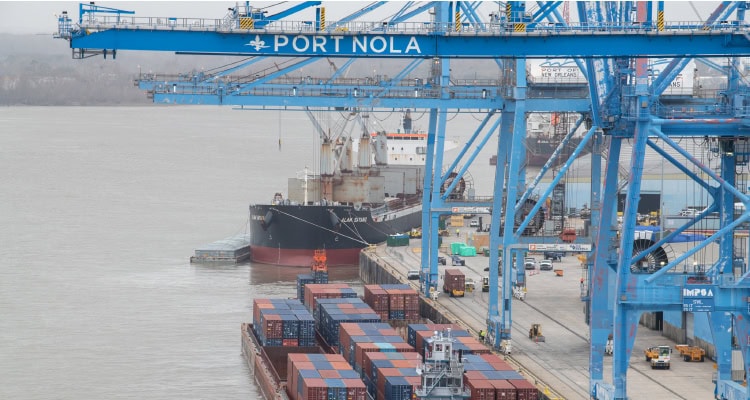
Six Supply Chain Strategies to Implement before Potential East Coast Port Strike
By implementing these supply chain strategies, companies can help safeguard their operations and enhance resilience against challenges created by the potential strike by dockworkers at ports along the U.S. East Coast and Gulf Coast.

2024 Elections Could Shake Up the Global Supply Chain—Here’s Your Voter’s Guide
With elections in roughly 50 countries worldwide and U.S. voting day right around the corner, supply chain executives must understand how major shifts in trade policies could impact their operations. Here are some tactics for using supply chain design to prepare for election outcomes.
A Career Path Hidden in Plain Sight: 3PL Warehousing
Why should logistics professionals consider a career in 3PL warehousing? Here are the benefits and one logistics company president’s story.

Global Online Shopping Revolution: How Online Retailers Can Thrive
Now that ecommerce is a global phenomenon, what can online retailers do to captivate shoppers, ensure repeat purchases, and tap into new revenue streams? The latest Online Shopper Trends Report by DHL reveals the trends that small and medium-sized businesses cannot overlook.
How a Global Pandemic Led to Supply Chain Finance Adoption in Healthcare – And Why It is Here to Stay
Supply chain finance programs – long utilized in consumer sectors like retail to help suppliers get paid more quickly and allow buyers to extend payment terms – are now a working capital tool for more healthcare supply chains. The continued rapid evolution of supply chain finance solutions offers a new way forward for CFOs in many industries to take direct charge of improving supplier-buyer arrangements.
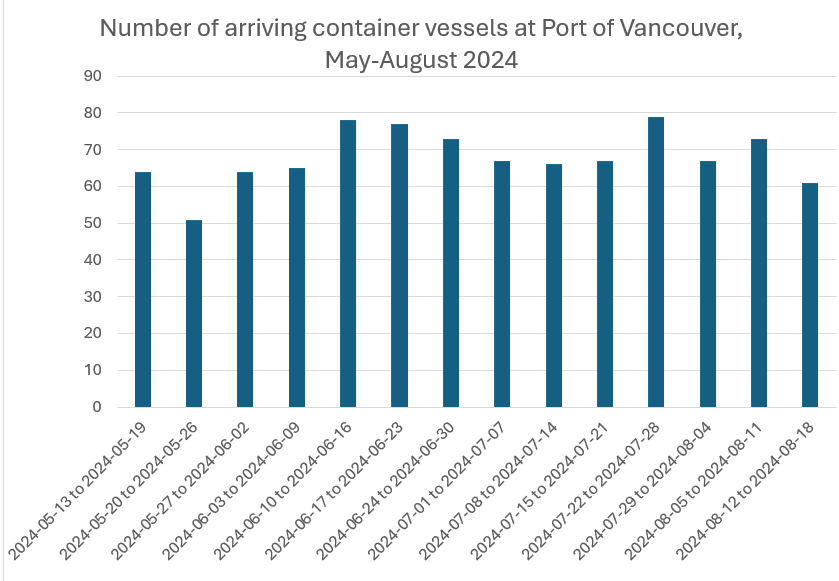
Canada Rail Lockout: Will Container Ships Be Diverted?
Will container ships divert to alternative ports in the United States with the worker lockout at Canada’s two big railroads? Here’s the immediate forecast:

Increasing Efficiency with Third-Party Transportation
Working with 3PLs can bring challenges, including coordination issues and the need for precise planning and execution. Technology solutions can overcome these obstacles by enhancing coordination between stakeholders.

Revolutionizing Local Delivery: The Future of Multi-Store Order Fulfillment
Implementing new shipper types for business deliveries, optimizing capacity, and adopting an income model based on stops are key strategies in reshaping last-mile delivery services.