
Articles
News

PRODUCT SPOTLIGHT: Ergonomic Solutions
↓ Lödige Industries air cargo systems. Designed to support material flow throughout air cargo terminals, Lödige Industries’ solutions include automated high-bay warehouses, intelligent conveyor systems, ergonomically integrated packing stations, and autonomous transport vehicles. From New York to Hong Kong, Lödige Industries handles an estimated 29 million tons of air cargo per year for its customers. […]
Read More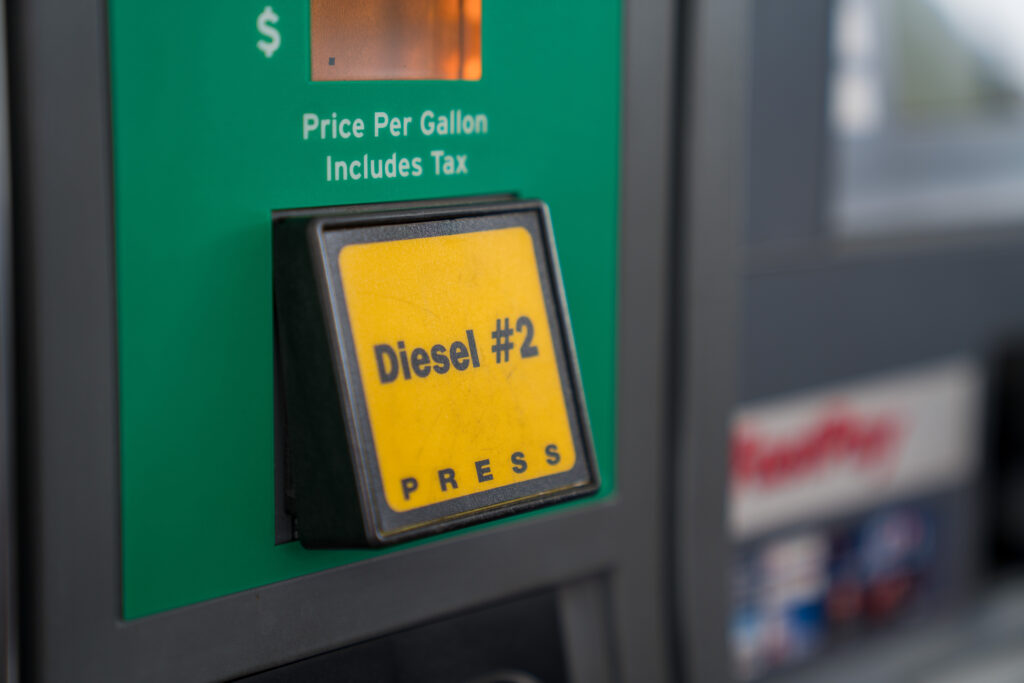
Diesel and Truckload Rates Climb Together as Demand Stays Flat
Shippers are facing cost pressure from fuel and line haul rates at the same time. Breakthrough Chief Economist Marc Schaffer doesn’t expect either to let up in the near future.
Read More
Beyond the Buzz: Deploying AI in Your Supply Chain
AI Quick Tips “You’ve got to start with consistent data and clear operating rules. And you can’t take people out of it. Artificial intelligence should support operators, not replace them. Keep it transparent, set guardrails, and treat it like a decision tool.” –Keith Moore CEO AutoScheduler.AI “Focus on governance, human-in-the-loop decision models, transparent KPIs, and […]
Read More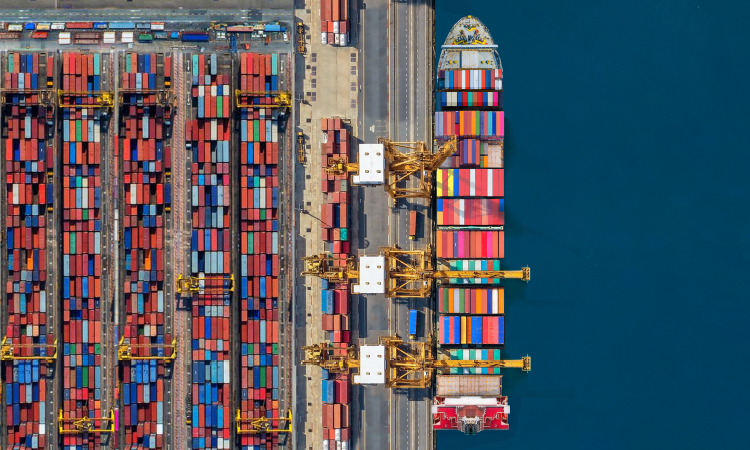
Cybercrime at the Ports; Manufacturing Momentum Broadens; The Forces Reshaping Logistics & More Supply Chain News
Logistics and supply chain news and highlights shaping the future of global logistics.
Read More
3PL Word Search
AUTOMATION CARGO CARRIER COLD CHAIN CONTROL Tower CROSSBORDER CROSSDOCKING DCC DELIVERY DISTRIBUTION ECOMMERCE ERP EXPEDITED FLEET FREIGHT FTZ GTM HYBRID INBOUND INVENTORY JIT KITTING LAST MILE LOAD LOGISTICS LTL NETWORK OMNICHANNEL OPTIMIZATION RETAIL SHIPMENT SUBASSEMBLY SUPPLY CHAIN SUSTAINABILITY TMS TRUCKING TRUCKLOAD WAREHOUSING
Read More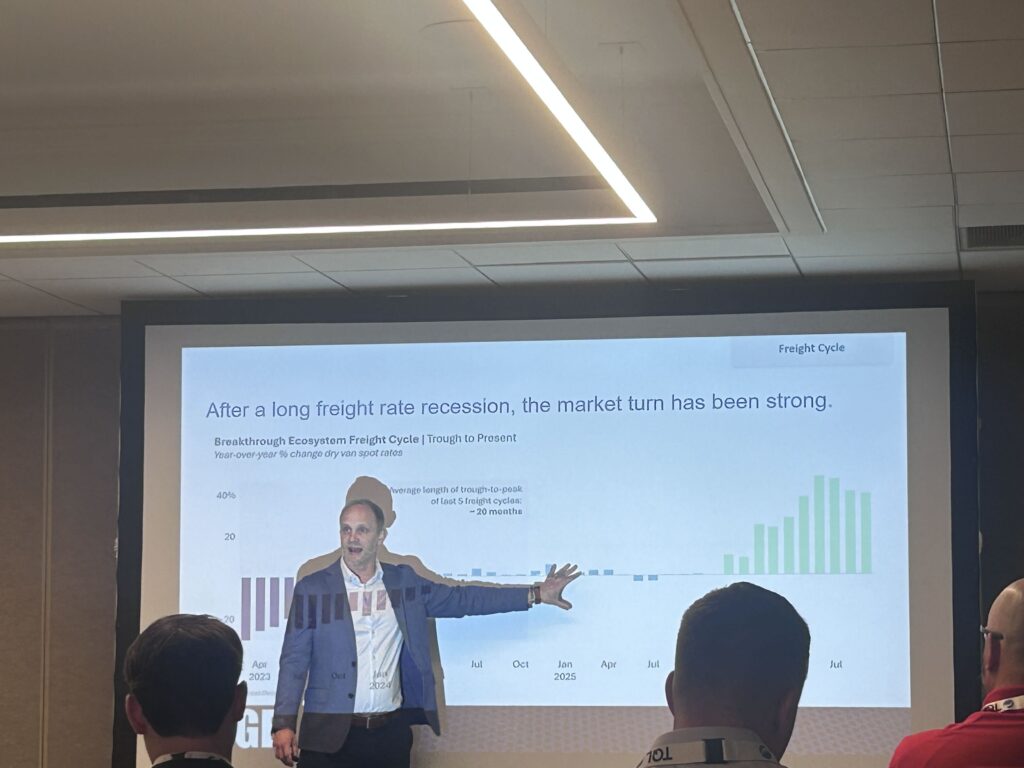
CSCMP EDGE 2026: AI and Freight Fraud Dominate Conversation in Nashville
CSCMP EDGE 2026 put AI and freight fraud front and center, featuring insights from company leaders and new 3PL research.
Read More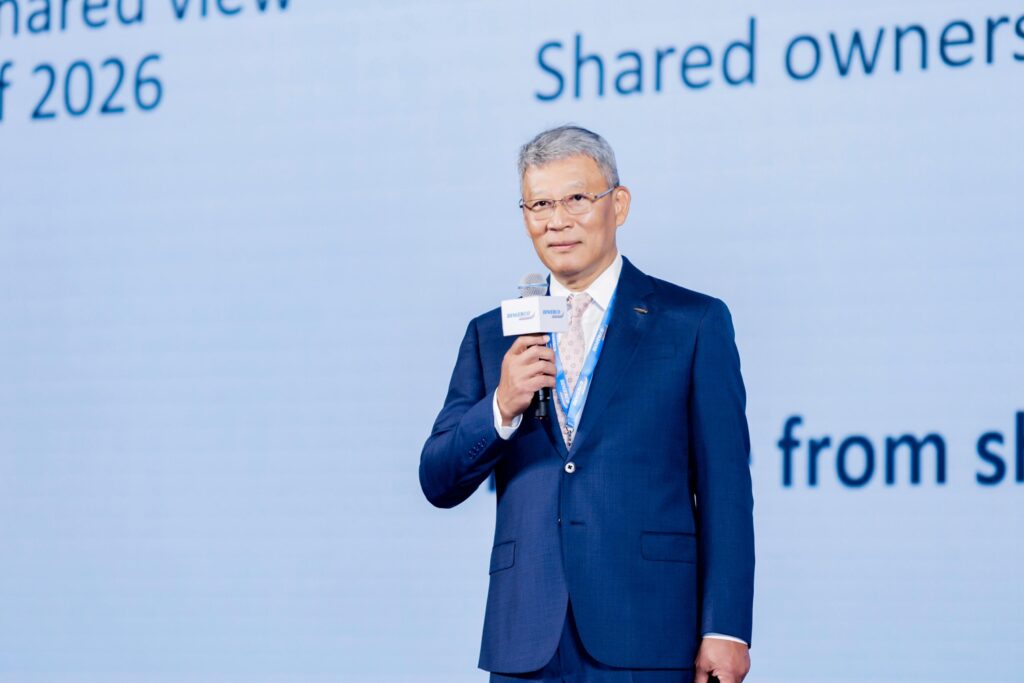
Dimerco’s Jeffrey Shih on Navigating Cargo Risk, Geopolitics, and Next-Gen Logistics
October 8, 2026 | By Amy Roach When Dimerco Express Group CEO Jeffrey Shih speaks about global trade, he does so with the perspective of someone who has spent decades on its front lines, having joined Dimerco in 1988. Speaking directly to Inbound Logistics on the sidelines of the ASCM CHAINge conference last week in […]
Read More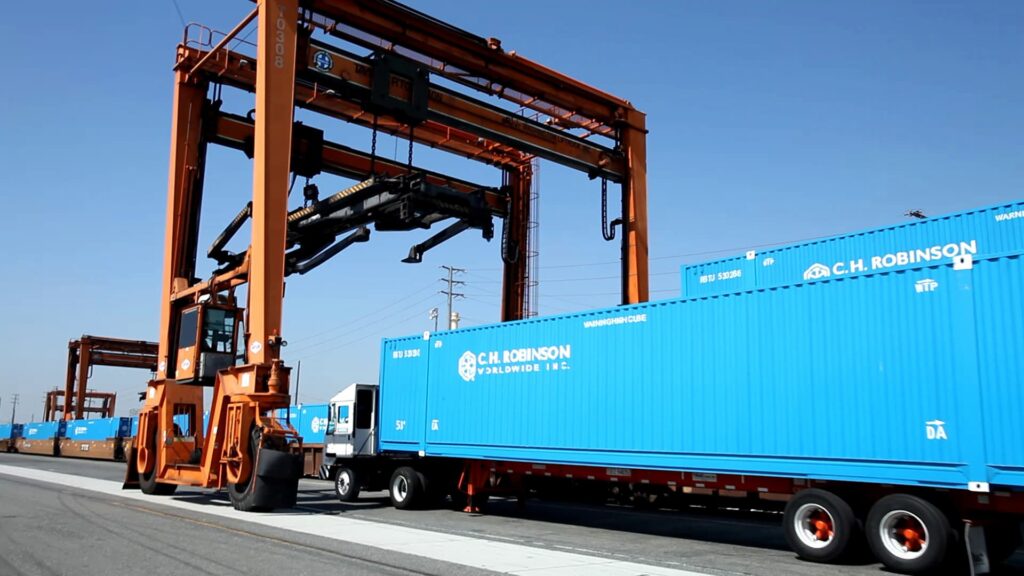
C.H. Robinson to Acquire RXO in $5.8 Billion Deal
Combination would join two major North American truck brokers and carries a $300 million cost-savings target
Read More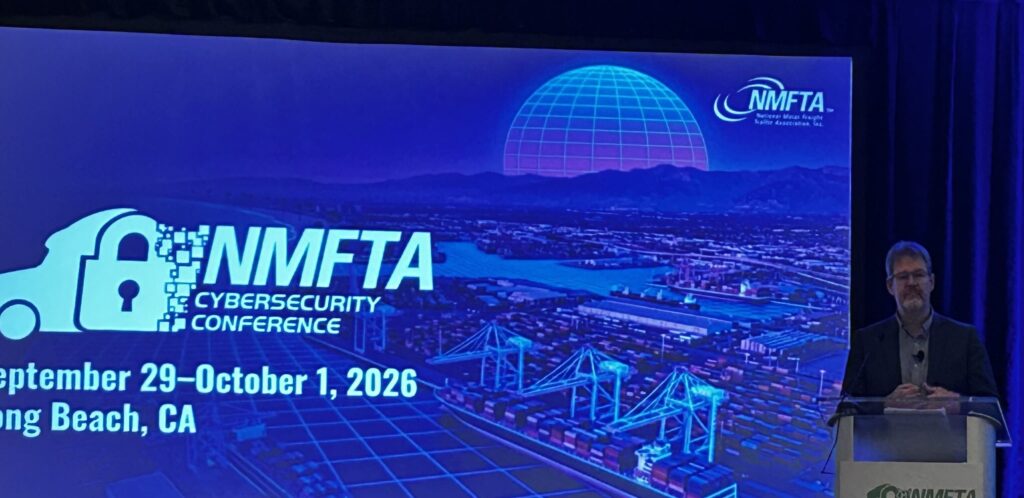
How Transportation Leaders Are Fighting Back Against Enterprise Cyber Risks
October 2, 2026 | By Amy Roach In freight transportation today, cybersecurity has become everyone’s job. That’s one of the key takeaways from this week’s National Motor Freight Traffic Association (NMFTA) 2026 Cybersecurity Conference in Long Beach, Calif. Traditionally, physical security and digital IT in the freight world lived in two entirely different universes. Freight […]
Read More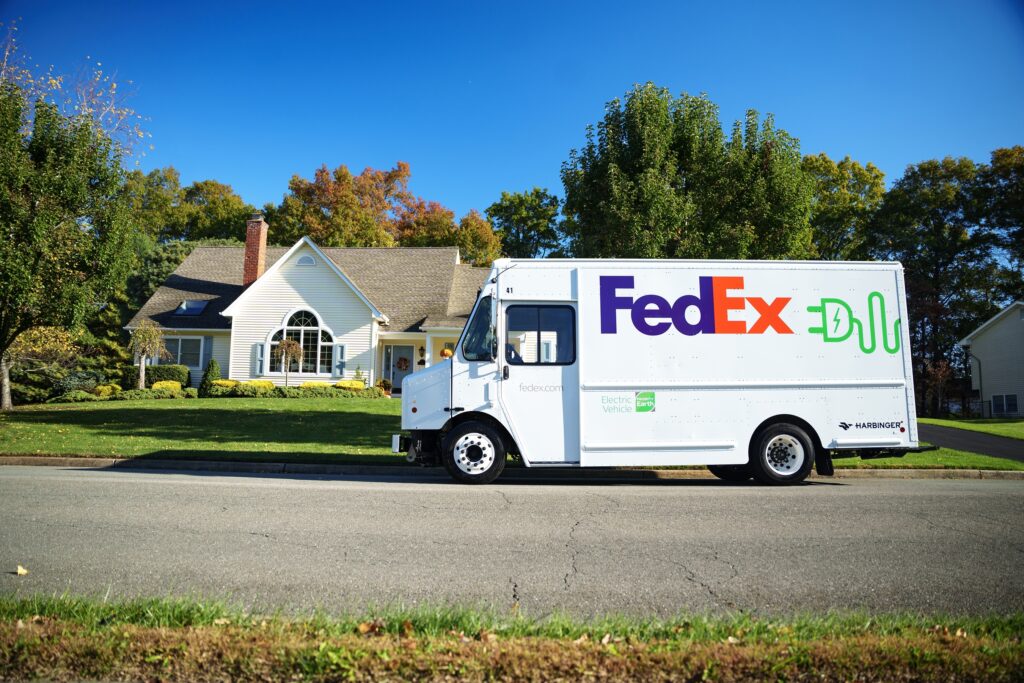
FedEx Orders 2,000 Electric Trucks From Harbinger in $300M+ Deal
The binding order covers Class 5 and 6 pickup and delivery trucks. All units are due by the end of 2027.
Read More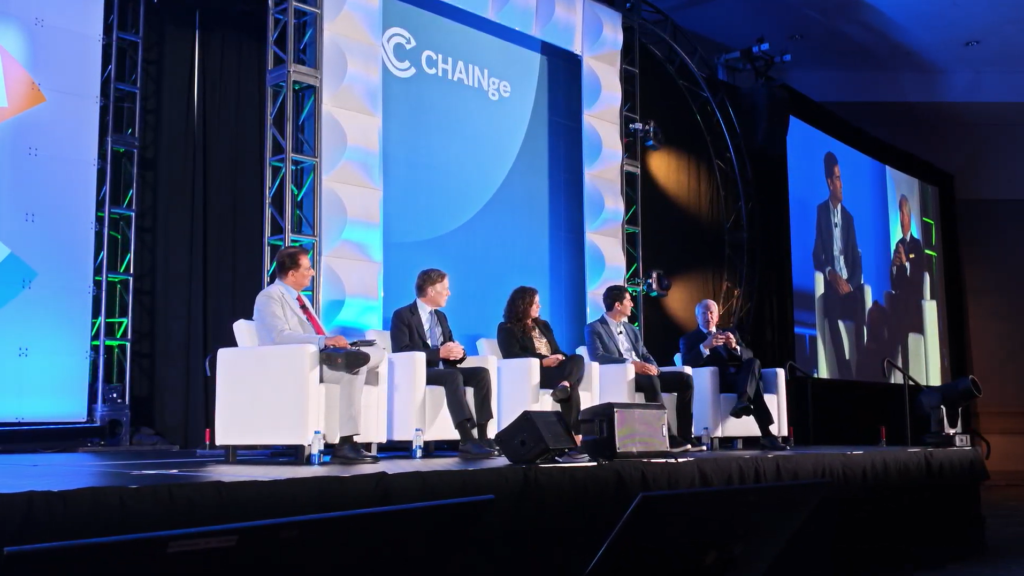
The New Operational Baseline: How Supply Chains Are Adapting to Constant Shock
September 30, 2026 | By Amy Roach Supply chain leaders who gathered at the ASCM CHAINge 2026 conference this week in Long Beach are coalescing around one shared realization: Macro disruption (think geopolitical friction, trade policy shifts, hyper-volatile consumer demand, and AI influence, among others) is now the permanent baseline. As a result, the hunt […]
Read More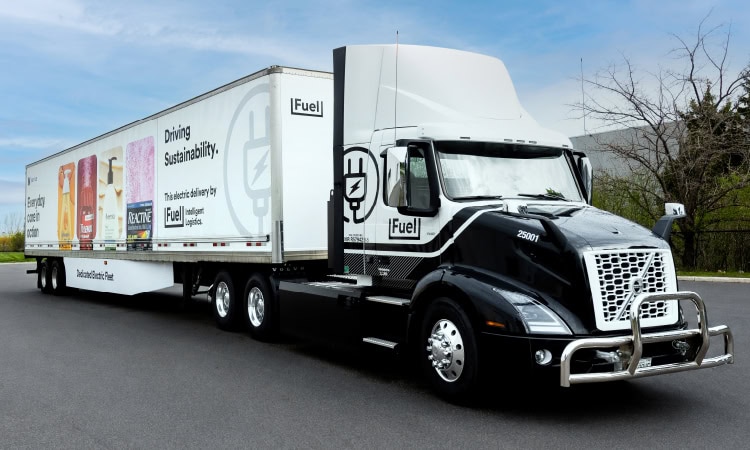
Logistics Industry News: M&A, Hires, and Deals
Fuel Transport and Kenvue launched eLoop, a Class 8 electric truck pilot operating across select urban routes in the Greater Toronto Area. The initiative is designed to test EV performance under real delivery conditions, including cold weather, congestion, and high-frequency multi-stop routes.
Read More
Second Wave of Pharma Tariffs Set to Hit Remaining Drugmakers
A second wave of pharmaceutical tariffs is slated for September 29, with the majority of drugmakers facing a 100% tariff on patented drugs.
Read More
Wegmans Invests $110M in Cold Chain as Grocers Add Fresh Capacity
Wegmans is spending $110 million on a refrigerated facility in Rochester. Target and ALDI have announced their own fresh food distribution builds this year.
Read More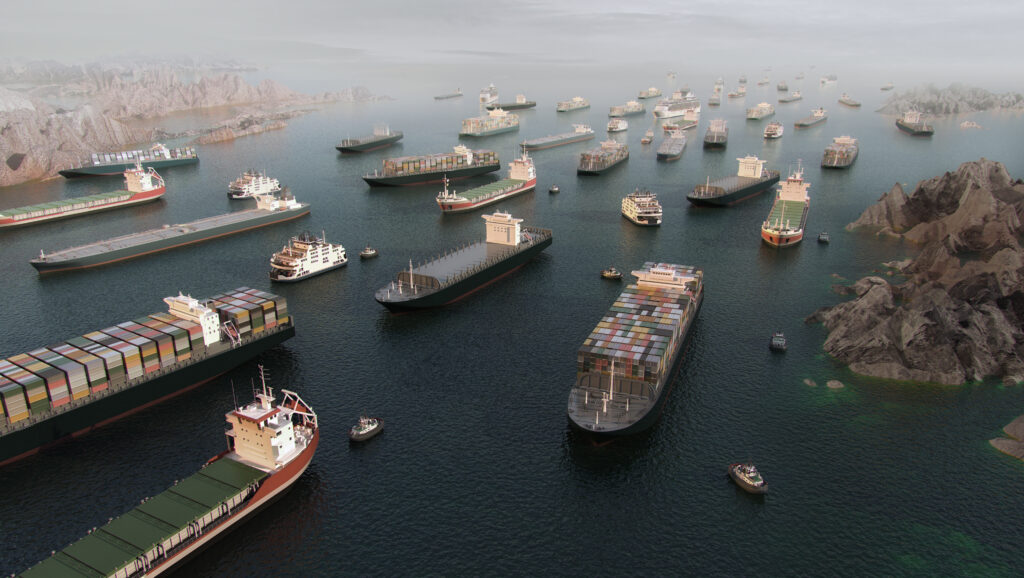
Carriers Expect Ocean Rates Will Remain Elevated
By Ashley Prince | September 18, 2026 Container lines had little warning before the Strait of Hormuz closed in February. By early March, Alphaliner counted 138 container ships stuck west of the strait. Carriers responded with emergency surcharges up to $3,000 per FEU on cargo routed through the region. Over six months later, the conflict hasn’t […]
Read More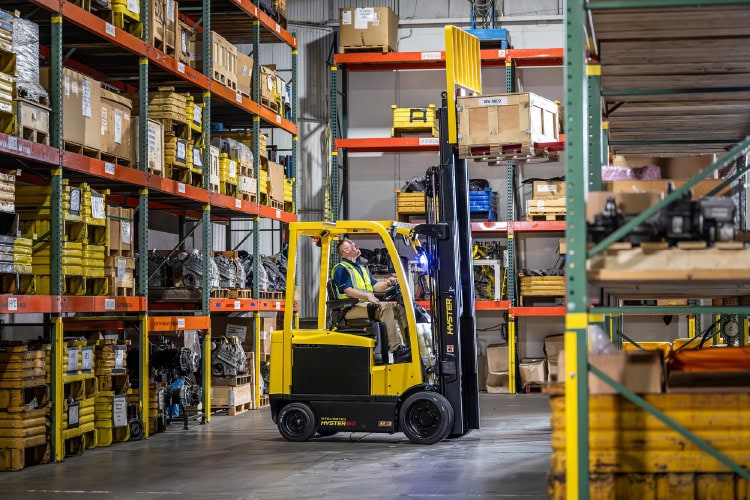
From AI to Green Fuel: Developments in Freight and Logistics Tech
Hyster extended its electric cushion tire lineup with the E45-70XN2, covering load capacities from 4,500 to 7,000 lbs in two drive configurations. Intelimatch provides smooth, efficient operation, while Duramatch cuts energy consumption up to 20% and speeds lift-lower cycles by 65%. The model features a 34% larger through-mast window, accepts multiple battery chemistries, and requires 20% less service time compared to its predecessor.
Read More
How 9/11 Impacts Supply Chain Security Over Two Decades Later
The security and compliance systems built after September 11, 2001 still govern how goods move across U.S. borders today.
Read More
Analysts Warn of Record El Niño as Supply Chain Strain Compounds
Record El Niño expected as shippers contend with Panama Canal draft cuts, a contested Strait of Hormuz, and aging U.S. infrastructure. Dragonfly from Dow Jones risk analysts discuss where shippers are most exposed this fall.
Read More
Infographic: Logistics Tech’s $100 Million Club
Inbound Logistics · M&A Tracker Logistics Tech’s $100 Million Club Four supply chain technology acquisitions, including Descartes’ recent purchase of Tai Software, carried a publicly disclosed price of $100 million or more. Many of the segment’s largest deals, however, have been executed without disclosing pricing information at all. 4 Deals with disclosed value ≥$100MSept 2025 […]
Read More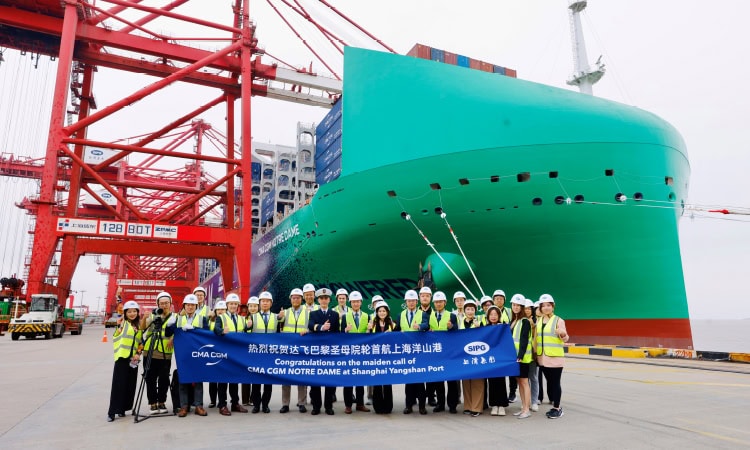
IN BRIEF: New Services and Solutions
The CMA CGM Notre Dame, the largest LNG-powered containership in the world, made its maiden call in Shanghai on May 25. The ship measures 400 meters long and carries up to 24,212 TEU. Beyond LNG propulsion, the vessel features an aerodynamic windshield to reduce energy consumption, capacity for 1,600 reefer plugs, and AI-assisted route optimization.
Read More