
Shining a Light on Dark Factories
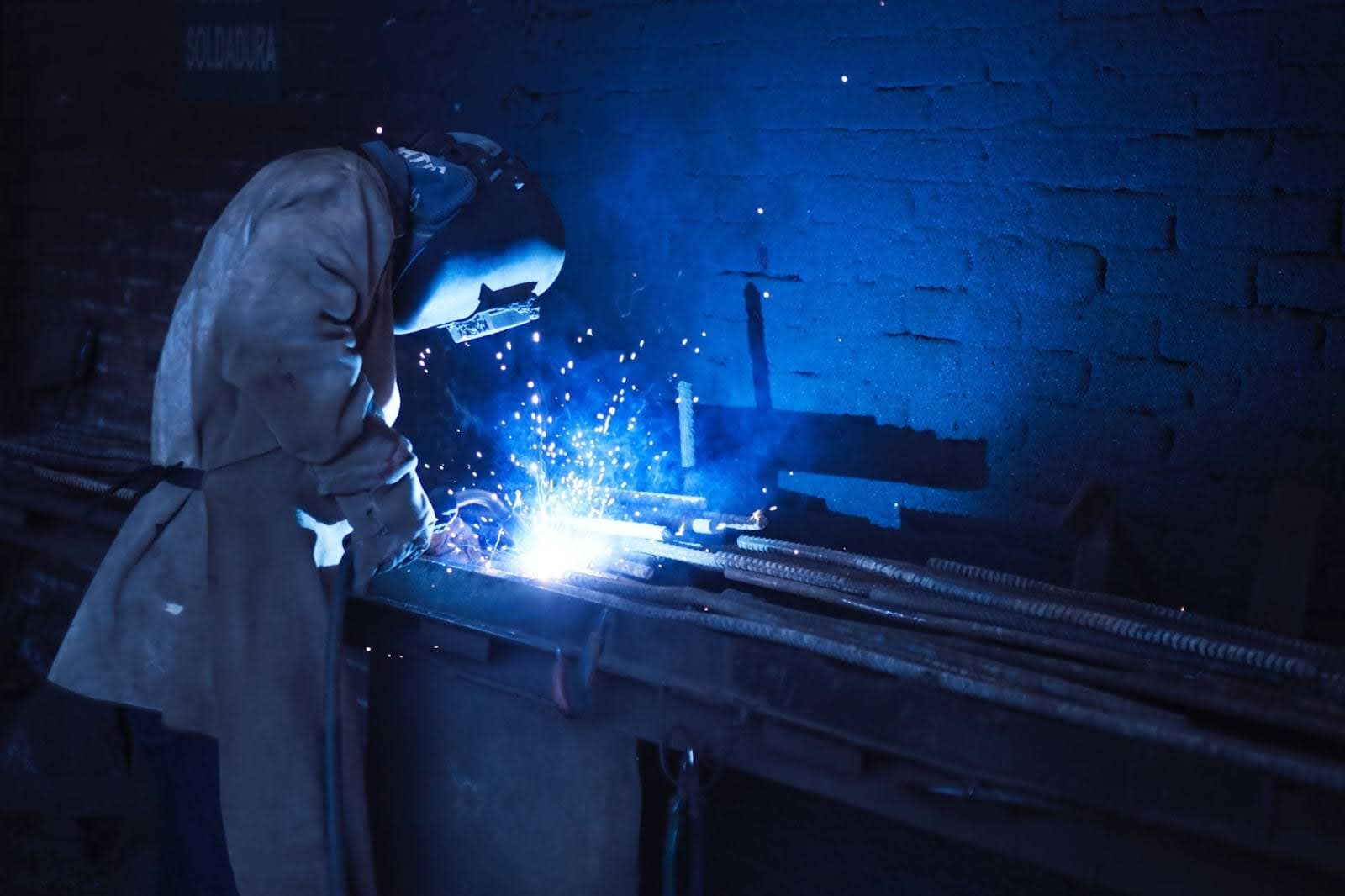

A manufacturing revolution is underway in factories around the world. “Lights-out” manufacturing is finally being realized in a few highly automated and roboticized locations.
This dramatic shift—also known as the “dark factory”—is the ultimate objective of industrial automation: a factory so automated that it requires little or no human presence. Humans need the lights, machines don’t.
“Dark factories” are gaining traction due to several macro factors:
- Global labor shortages
- Rising human resource costs
- Falling advanced automation costs
- Resurgence in state-of-the-art domestic manufacturing
- AI’s influence in perfecting supply chain flows
These trends are driving the move toward unattended manufacturing, promising significant cost and operational benefits, and fewer errors. While very few of these facilities are entirely free of human workers—fully lights-out—many utilize partial automation, with skilled workers still overseeing production shifts.
Micro factors play an important role too, specifically a robust and mature digital transformation strategy that includes several indispensable elements.
First is standardization of all processes to ensure consistency in robot/cobot and manufacturing machine programming.
Second is communication, as 5G or 6G tone underpins the connections between on-site automation and cloud supply chain solutions and data. Lights-out relies on AI and ML systems that drive autonomous decision making, predict maintenance requirements, and empower adaptive factory optimization as time goes on.
Machine vision systems handle quality control automation, which—wait for it—does need lights to operate, but uses specialized lighting rather than standard facility lights. Specialized lighting systems create the contrast needed for cameras to capture clear images of an object. Without proper illumination, defects or errors are not visible.
Twenty years ago, IBM operated a lights-out plant to build computer parts and keyboards without these advances. It shut down due to tooling inflexibility. Today, Tesla (of course), GE, FANUC, Philips and rejuvenated Intel run lights-out or low-light manufacturing facilities. While not a manufacturer, Amazon uses many lights-out elements to drive efficiencies and dominate its market.
But without a lights-always-on supply chain, those plants would be in the dark in more ways than one.