
Articles
Manufacturing

Lead Time vs Cycle Time: Key Differences Explained
In the world of project management and logistics, precision matters. Two of the most important—and most misunderstood—metrics are lead time and cycle time. Both measure how long things take, but they capture very different parts of the process. Understanding the distinction can mean the difference between meeting customer demand consistently and falling short. This article […]
Read More
BUILT TO LAST: Inside Harley Davidson’s Evolving Supply Chain
From hand-built engines and just-in-time inventory to electrification and global sourcing, Harley-Davidson’s supply chain is revving up for a future that balances heritage with transformation.
Read More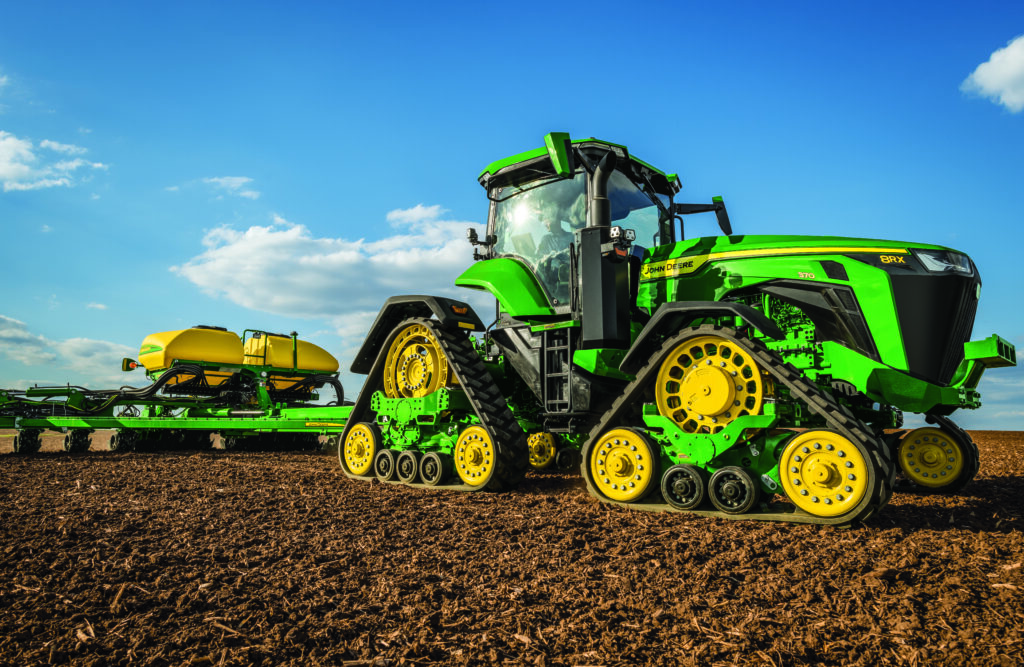
John Deere Bolsters U.S. Supply Chain With New Distribution Hub, Doubling Down on Domestic Manufacturing
John Deere is expanding its U.S. industrial footprint with a major investment in a new distribution center near Hebron, Indiana, positioning the agricultural and construction equipment maker to sharpen parts logistics and reinforce its supply chain resilience. The facility, announced alongside a new excavator manufacturing plant in Kernersville, North Carolina, underscores Deere’s strategy to bring […]
Read More
J&J Strengthens U.S. Pharma Supply Chain with Two Next-Gen Facilities
The company is making moves to strengthen its pharmaceutical supply chain, boost resilience, and support advanced manufacturing capabilities.
Read More
Big Brands Push Back: Costco, Revlon, Kawasaki and Others Sue for Tariff Refunds
By Amy Roach | December 4, 2025 A growing number of major importers that includes everyone from retailers to auto suppliers have taken the rare step of suing the U.S. government to preserve their right to reclaim tariffs paid under the controversial trade measures introduced by the Trump administration. Lawsuits Surge as Businesses Race to […]
Read More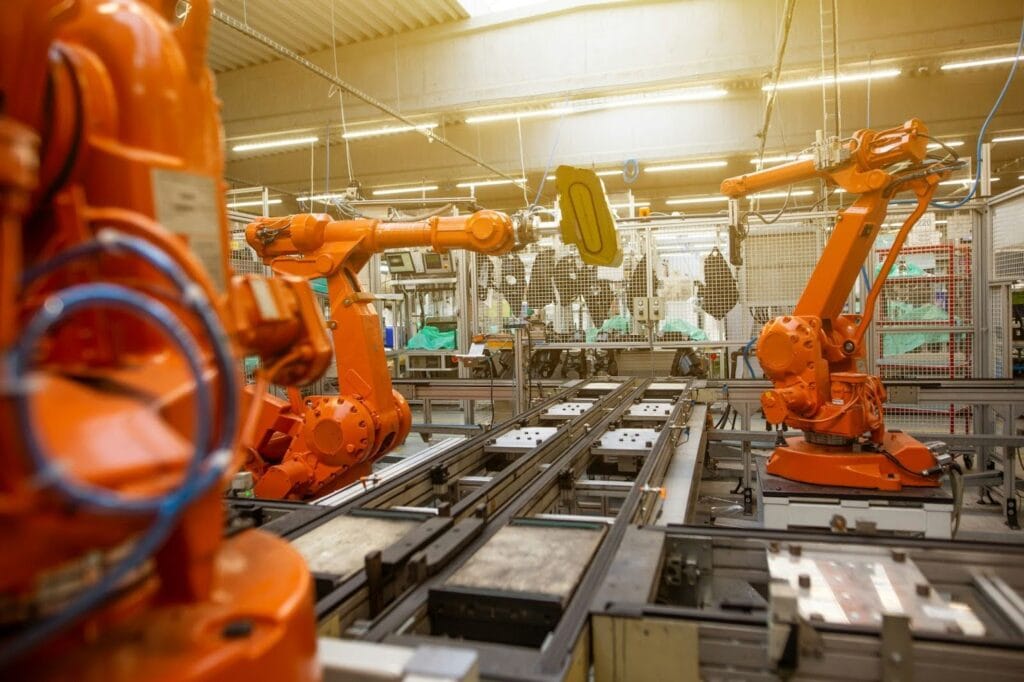
Somewhere Henry Ford is Smiling
Henry Ford revolutionized car manufacturing by inventing the moving assembly line. Besides saving time and money, that new process made the Model T affordable and ubiquitous. Today, thousands of vehicle plants around the world still use that method. Using Ford’s method, modern vehicle assembly lines are a moving and sequential process where a car’s frame—called […]
Read More
Pedal to the Metal: General Motors Orders Suppliers to Exit China Supply Chains
As U.S.–China tensions escalate, General Motors is steering its suppliers toward a full exit from China by 2027.
Read More
Shining a Light on Dark Factories
A manufacturing revolution is underway in factories around the world. “Lights-out” manufacturing is finally being realized in a few highly automated and roboticized locations. This dramatic shift—also known as the “dark factory”—is the ultimate objective of industrial automation: a factory so automated that it requires little or no human presence. Humans need the lights, machines […]
Read More
Sharpie Rewrites Supply Chain Strategy
Redrawing production lines and highlighting worker retention, Sharpie maker Newell Brands got ahead of tariff uncertainty and supply chain complexity.
Read More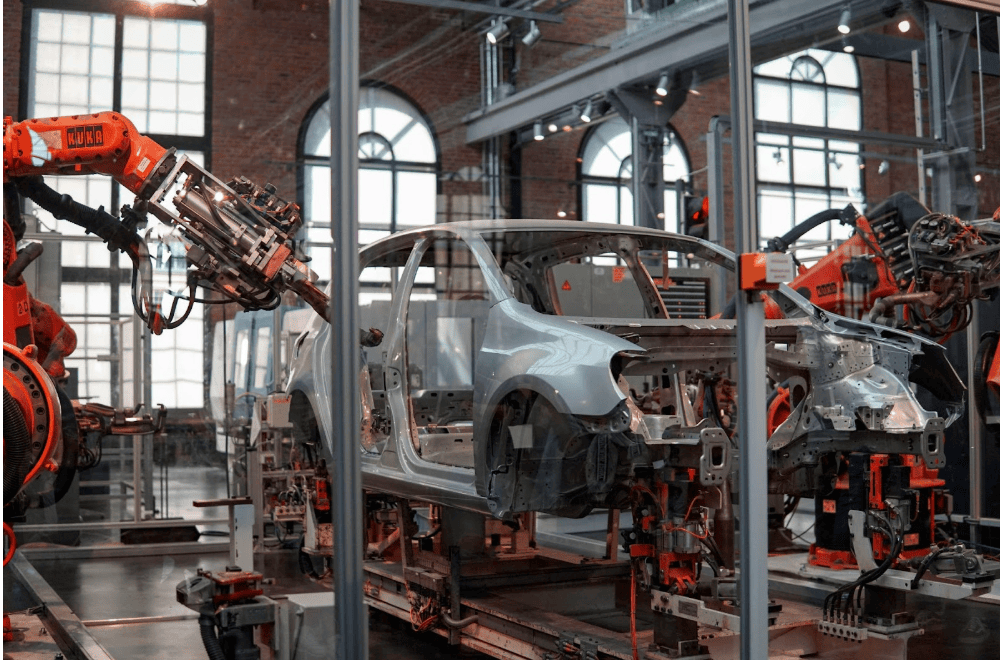
Just in Case (JIC) Manufacturing: What It Is, Benefits, and Drawbacks
JIC manufacturing focuses on keeping extra stock to prepare for unexpected changes in customer demand or supplier delays. This inventory strategy aims to avoid production delays and ensure smooth manufacturing processes by holding more raw materials and finished goods than usual. Companies rely on just-in-case inventory to protect against supply chain disruptions and maintain supply […]
Read More
New U.S. Tariffs on Heavy Trucks and Pharmaceuticals Test Global Supply Chains
The latest U.S. tariff package targets imported heavy trucks and branded drugs, creating new challenges—and potential opportunities—for manufacturers, fleets, and global supply chains.
Read More
Supply Chain Reset: 7 Trends Remaking Manufacturing
Through reshoring, retooling, and redefining resilience, manufacturers are embracing a new normal shaped by volatility, vision, and the drive to stay ahead.
Read More
IoT Manufacturing: Components, Benefits, and Challenges
Factories are no longer just metal, noise, and manpower. Smart machines now collect data, talk to each other, and help manufacturers make faster, better decisions. Welcome to the age of IoT manufacturing, where efficiency and insight come from connected technology. Across the manufacturing industry, companies use IoT devices and smart sensors to track machines, boost […]
Read More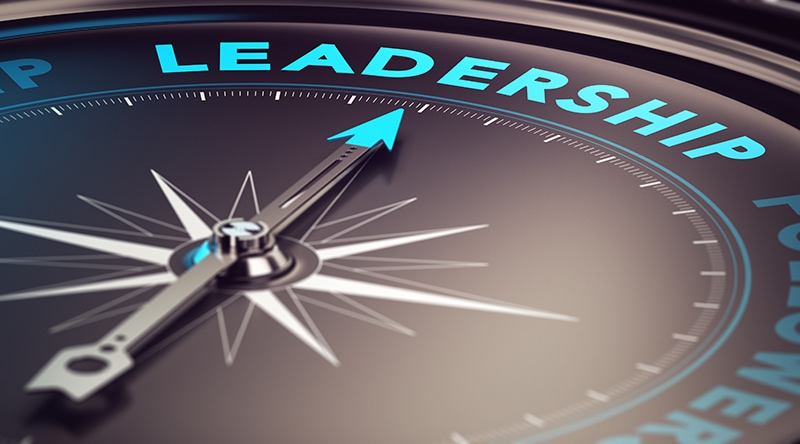
Karla Trotman: Wired to Reshape Manufacturing
From cutting wires for quarters to leading a multi-million-dollar electronics company, Karla Trotman says legacy, grit, and humility power her approach to business, family, and the future of American manufacturing.
Read More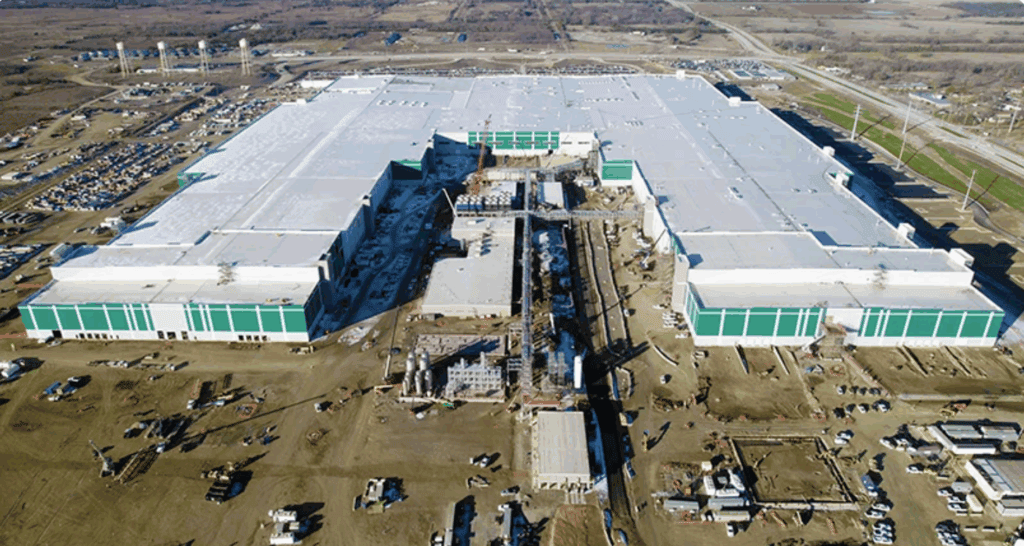
Panasonic’s $4 Billion Battery Factory Set to Transform U.S. EV Supply Chain
This state-of-the-art facility will ramp up domestic EV battery production, helping reduce reliance on overseas suppliers and supporting faster, more sustainable vehicle manufacturing.
Read More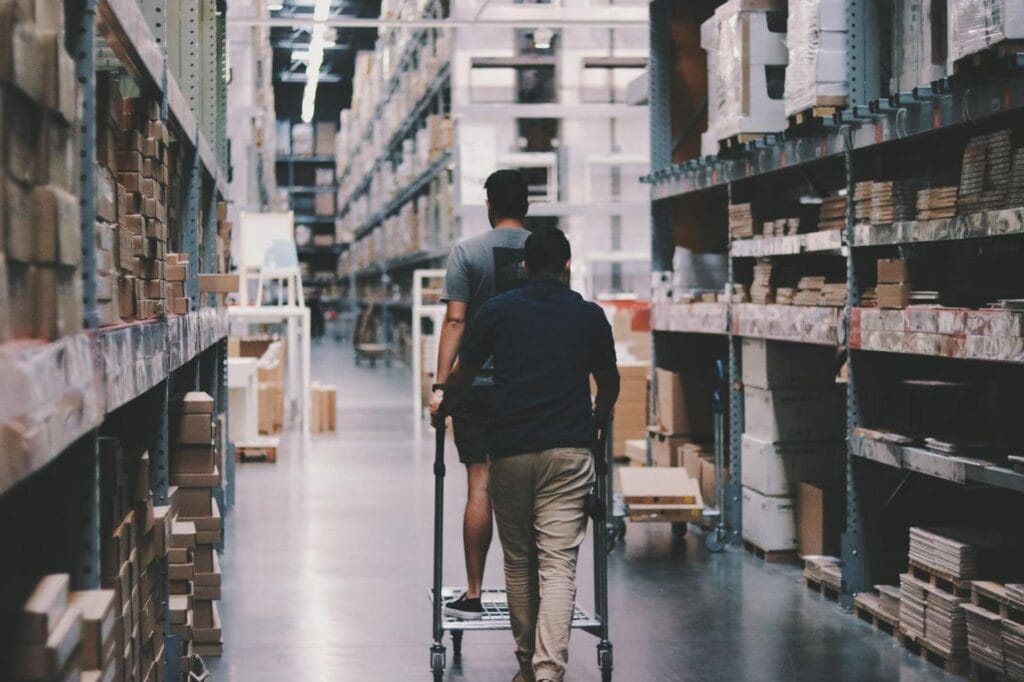
Warehouse Vs. Factory: Purposes and Types of Each
Warehouses and factories, each integral to supply chains and manufacturing, serve distinct yet complementary functions. To optimize logistics, warehouses focus on efficient storage and distribution centers, often situated near key transport routes. Factory features, such as upgraded interiors, modern amenities, and attractive locations, cater to prospective tenants’ lifestyles. Warehouses and factories are vital components […]
Read More
Takt Time: Origins, What It Is, and Formula
Takt time is a crucial concept in manufacturing. It defines the pace at which products must be completed in the manufacturing process to meet customer demand efficiently. The word takt, which comes from the German word “takt,” means “rhythm. “ Takt time represents the harmony between production and demand, ensuring that each product aligns perfectly […]
Read More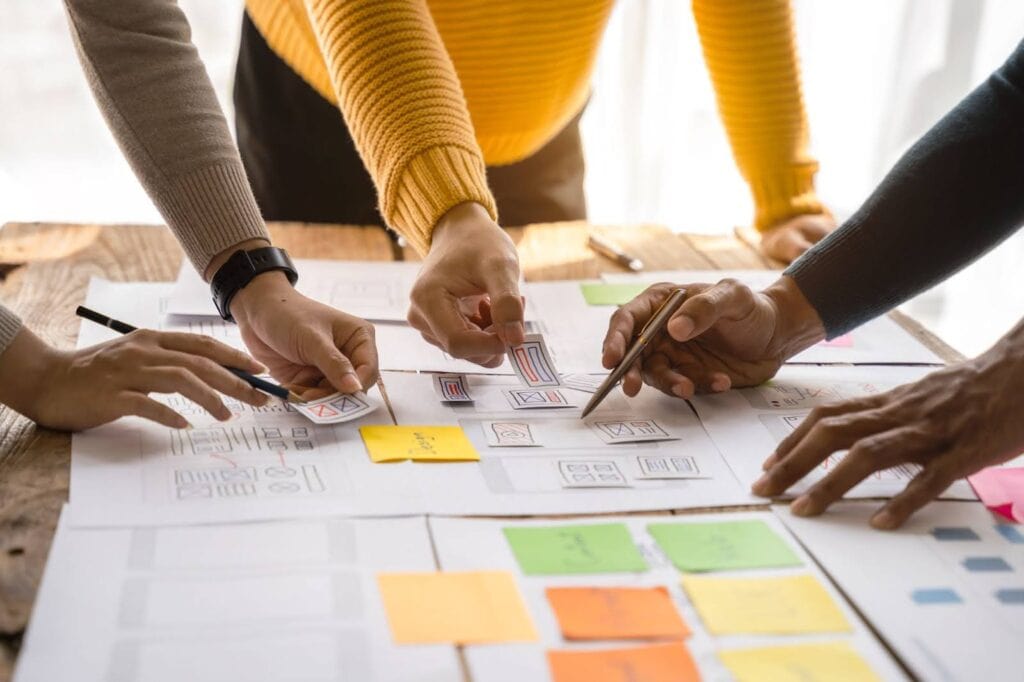
What is MRP? History, Definition, and How it Works
Running a manufacturing process without an organized system often leads to chaos—too many raw materials or not enough to meet customer demand. That’s where material requirements planning (MRP) comes in. So, what is MRP? It’s a planning system that helps production managers calculate the materials needed, schedule production efficiently, and balance inventory levels with actual […]
Read More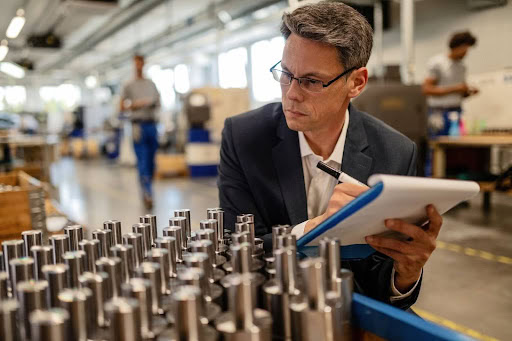
Essential Guide to Quality Control in Manufacturing Best Practices
Discover essential best practices for quality control in manufacturing to enhance efficiency and reduce errors. Read the article for practical insights.
Read More
Why We Need Advanced Manufacturing
What I learned over 40 years in manufacturing is that innovation and manufacturing are intertwined. Brilliant scientists and engineers invented some of the world’s most innovative and impactful products, and many of them need to be manufactured on innovative processes.
Read More