
Iran Conflict Strains Global Supply Chains, With Secondary Impacts Emerging
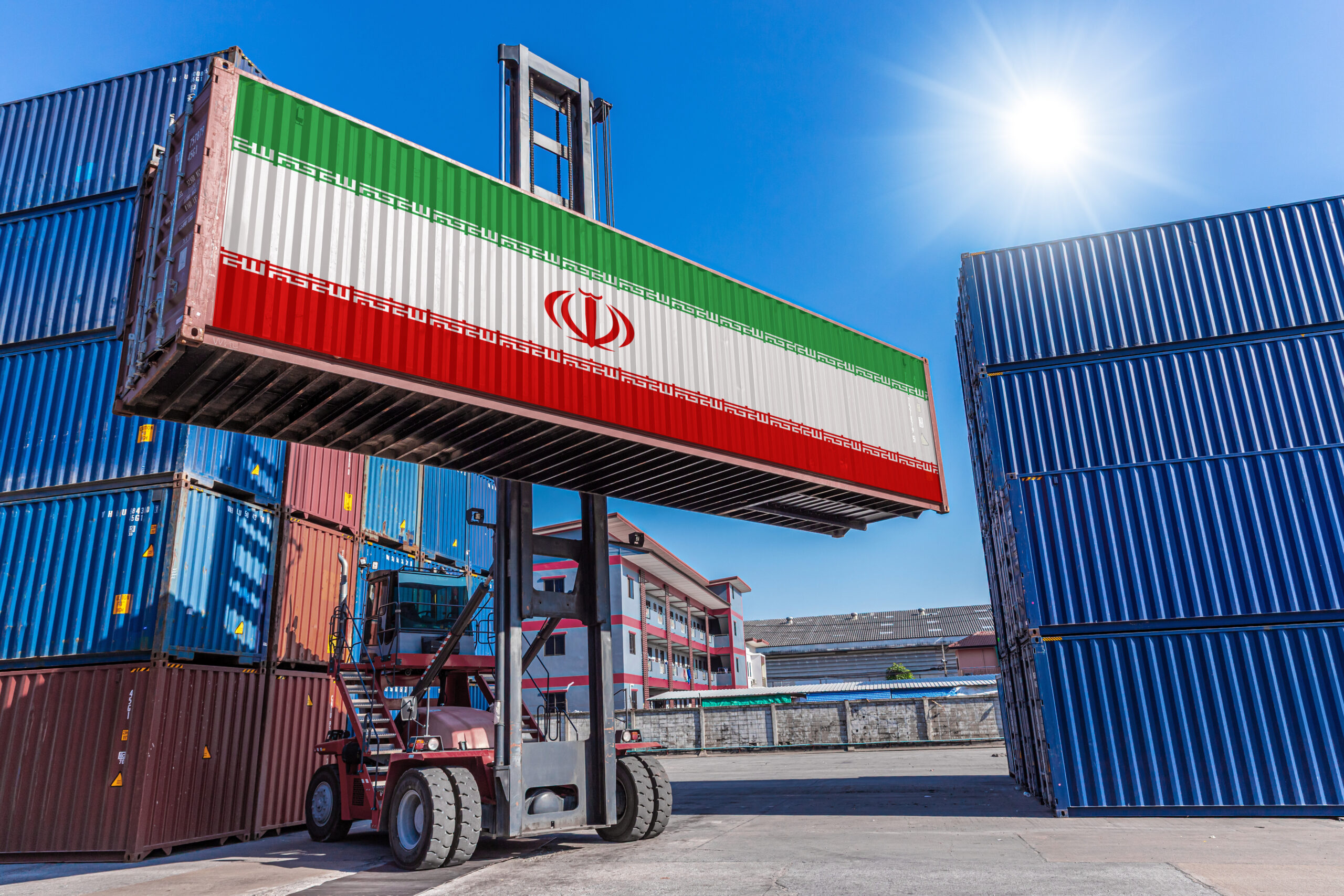
Rising fuel costs and shipping delays are just the start, as the Iran conflict begins to ripple through global logistics, manufacturing, and industrial markets.
By Amy Roach | March 30, 2026
As the conflict involving Iran continues to unfold, its effects are already being felt far beyond the region, reaching deep into global supply chains, shipping networks, and transportation systems. While the full impact has yet to be determined, early signs point to familiar pressure points: rising fuel costs, shipping delays, and renewed strain on already fragile logistics networks.
Across global trade lanes, disruptions are mounting. Oil tankers are idling or rerouting around the Strait of Hormuz, one of the world’s most critical energy corridors. Airspace restrictions are complicating cargo flows. And the cost of moving goods—by sea, air, and land—is climbing.
Those pressures are beginning to ripple across industries. Pharmaceutical shipments from India are facing delays. Petrochemical supplies used in plastics and fertilizers are tightening. Key inputs for semiconductors and advanced manufacturing are becoming harder to source, raising the likelihood of broader price increases.
In the maritime sector, the strain is particularly acute.
German carrier Hapag-Lloyd estimates the conflict is costing between $40 million and $50 million per week, reflecting both higher fuel prices and the operational complexity of navigating an increasingly unstable region.
But some of the most significant challenges are less visible than freight rates or fuel surcharges.
According to Condition Monitoring Technologies, the conflict is beginning to disrupt the global support systems that keep vessels operating safely and efficiently. Airspace closures across parts of Europe, the Middle East, and Asia are making it more difficult to transport engineers, spare parts, and specialized diagnostic equipment.
“It’s a double-barrelled hit,” said CMT’s David Fuhlbrügge, noting that longer transit times and rising costs are complicating routine maintenance. Even vessels operating far from the conflict zone are starting to feel the effects, as delays in servicing and equipment delivery accumulate.
The immediate consequences may not be catastrophic, but they are consequential: reduced efficiency, tighter maintenance windows, and growing operational risk. In some cases, vessels may face delays at port or be forced to divert, adding further strain to global shipping schedules.
Secondary Effects Begin to Take Shape
Beyond these immediate disruptions, longer-term impacts are beginning to emerge—particularly in how companies think about supply chains and infrastructure.
If rising fuel costs continue, it may force a reassessment of distribution strategies. According to Mark Russo of Savills, sustained cost pressures could push companies to reduce transportation distances and move inventory closer to end consumers. That shift would likely increase demand for urban and infill logistics space across North America, as companies look to offset higher shipping costs with greater proximity.
At the same time, the energy shock is creating uneven impacts across industries. Higher fuel prices could revive interest in electric vehicles after a recent slowdown, while defense-related manufacturing—already on the rise—may see further expansion as geopolitical tensions persist.
Energy-producing regions such as Houston and Calgary could also benefit from increased drilling and production activity tied to elevated oil prices, notes Russo.
Energy Transition Faces Real-World Constraints
The conflict is also sharpening a longer-running debate within transportation and shipping: how quickly alternative fuels can realistically scale.
While ocean carriers and some trucking fleets have explored fuels such as LNG, methanol, and ammonia, adoption has been uneven. Higher costs, limited infrastructure, and the need for new equipment have slowed widespread uptake.
According to Rob Mortimer of Fuelre4m, the current crisis underscores how dependent global shipping remains on conventional fuels.
The infrastructure supporting alternatives is still developing and geographically limited. In periods of disruption, operators tend to fall back on traditional fuel systems—not as a strategic choice, but as a practical necessity.
“The energy transition is not yet replacing the existing system,” Mortimer said. “It is being layered on top of it.”
A System Under Pressure
Taken together, the effects of the Iran conflict are beginning to resemble a widening shock to the global economy.
Fuel costs are rising, pushing up transportation expenses. Shipping networks are slowing and rerouting. Industrial inputs are tightening. And supply chains are once again being forced to adapt in real time to external disruption.
For logistics providers, manufacturers, and real estate developers, the implications are still unfolding. But the early message is clear: what began as a regional conflict is quickly becoming a broader test of the resilience—and limitations—of global trade systems.