
How 9/11 Impacts Supply Chain Security Over Two Decades Later
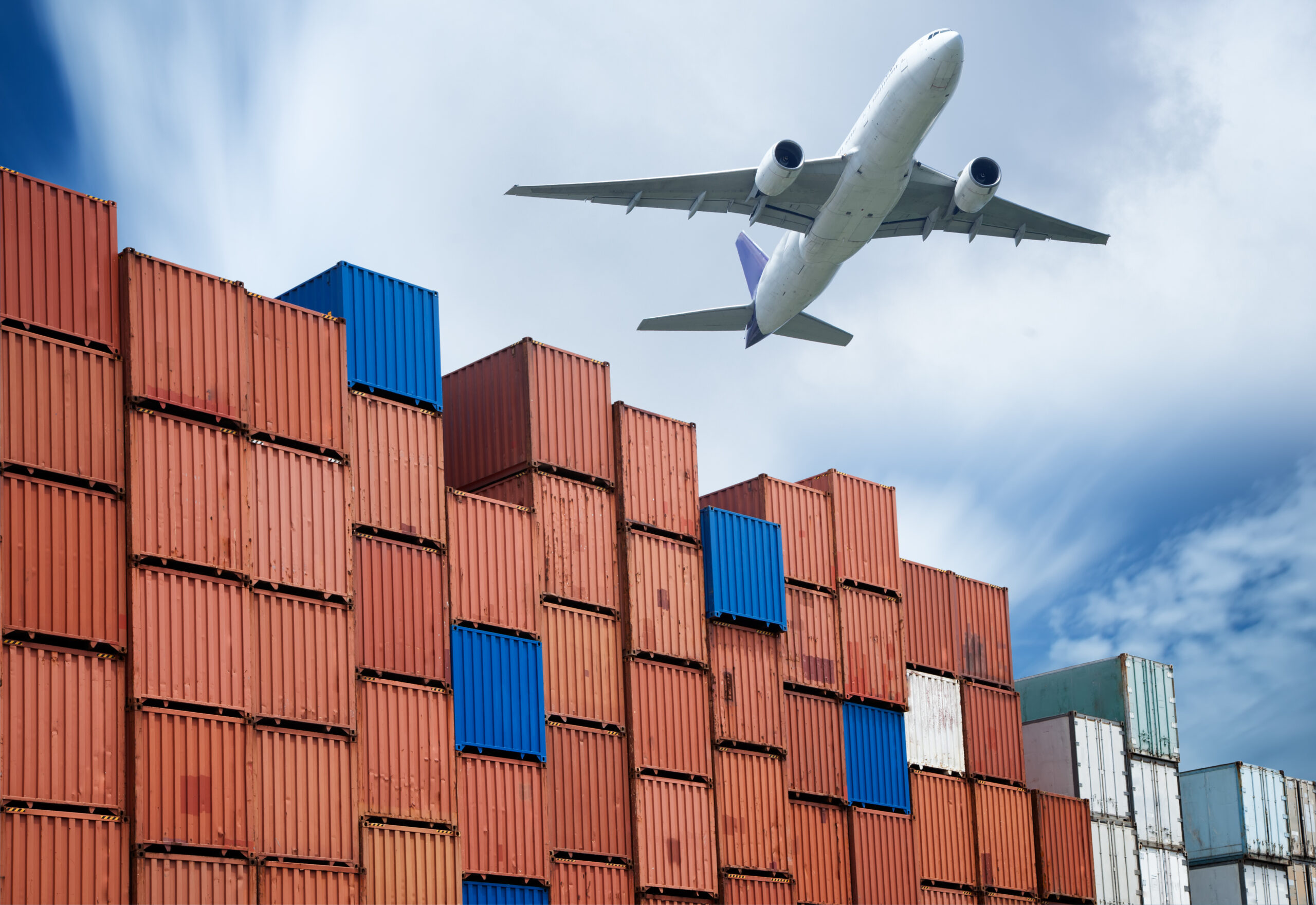
The security and compliance systems built after September 11, 2001 still govern how goods move across U.S. borders today.

By Ashley Prince | September 10, 2026
The terrorist attacks that occurred on September 11, 2001 fundamentally changed how the U.S. handles both air transportation and international trade.
In the immediate aftermath of the attacks, national airspace was closed, land border crossings slowed, and ports faced new inspection requirements. Many of the changes made in those early days continue to dictate how the supply chain operates over two decades later.
A New Security Architecture
The federal government built most of its post-9/11 trade security framework within about a year of the attacks.
U.S. Customs and Border Protection launched the Customs-Trade Partnership Against Terrorism (C-TPAT) in November 2001. The voluntary program offers expedited customs treatment to companies that certify and secure their supply chains. More than 11,000 companies are enrolled today.
CBP announced the Container Security Initiative (CSI) in January 2002, placing officers in foreign ports to prescreen high-risk containers before they were loaded onto U.S.-bound vessels. The program now operates in 61 ports and screens roughly 80% of maritime containerized cargo entering the country.
The Trade Act of 2002 introduced the 24-Hour Rule, requiring ocean carriers to submit detailed cargo manifests to CBP a full day before loading at a foreign port.
Background checks and credentialing for port, transportation, and warehouse workers became standard under the Transportation Worker Identification Credential (TWIC) program, which rolled out following the SAFE Port Act of 2006. Regulators also tightened hazmat transport rules and worker vetting for trucking and rail, driven by concerns that cargo trucks or freight rail could be used as attack vectors.
The new compliance requirements also pushed companies to rethink how they managed risk internally.
Just-in-time inventory models, which depended on frictionless borders, gave way to more buffer stock and redundancy. Risk management functions matured as companies began mapping supplier dependencies and geographic concentration risk more systematically.
Companies invested more heavily in supply chain visibility and tracking technology, partly to meet security compliance requirements and partly because near-real-time data quickly became a competitive necessity.
An Enduring Legacy
The compliance and security infrastructure built after 9/11 has never been rolled back. Customs pre-clearance, cargo screening, and worker credentialing are permanent features of global trade. These changes added new cost and complexity to business operations, and companies have now built them into their pricing and planning as non-negotiables.
Congress created the Department of Homeland Security in 2003, consolidating 22 existing agencies into a single department responsible for border, transportation, and infrastructure security. DHS’s budget has grown from roughly $31 billion in its first full year of operation to a requested $118 billion for 2027, and the trade security functions born out of 9/11 remain part of that footprint.
A U.S. trade estimate cited in postwar research found that shipping delays tied to post-9/11 security measures functioned as the equivalent of a 2% tariff on goods entering the country by 2006.
The shift also marked one of the first times supply chain resilience became a boardroom issue rather than a purely operational one. It set a precedent that companies have since returned to during other major disruptions, including the COVID-19 pandemic.