
Articles
Content Partners

Making a Business Case for GTM
Q: What is the role of global trade management (GTM) in organizations today? A: In today’s world, GTM is more than compliance. GTM practitioners should think of GTM as standing on three equal pillars: compliance, supply chain finance, and global logistics. A holistic approach is necessary given the growing complexity—both in regulations and geography—of international […]
Read More
Collaborative Freight Strategies Offer Lower-Cost Alternative to LTL
Q: Why is it important for small and mid-sized consumer packaged goods (CPG) shippers to collaborate on freight strategies to remain competitive? A: If they don’t, they will continue to pay more than their larger competitors, who have the volume to ship more economical full truckloads. For years, smaller shippers have accepted the higher cost […]
Read More
Trading Partner Collaboration Yields Supply Chain Value
Q: How can value chain partners collaborate to create and share efficiencies? A: Retailers and manufacturers have made progress in improving the effectiveness and efficiency of their individual supply chains. They have found savings and efficiencies, and implemented new processes. Now, trading partners must collaborate to find new avenues for improvement. The competitive retail landscape […]
Read More
Intermodal Transportation’s Strategic Advantage
Q: Why are shippers making intermodal more integral to their logistics strategies? A: Shippers are using intermodal for a variety of reasons. In many rail corridors, intermodal provides a much better value proposition than highway. Rail transportation is often more energy efficient, so “going green” in intermodal means moving freight costs less. With the driver […]
Read More
TMS or 3PL: Which Suits Your Business Best?
Q: How does implementing a transportation management system (TMS) compare to engaging a third-party logistics (3PL) service provider? A: A TMS provider’s core business is offering software solutions that solve customer transportation requirements. Companies that implement TMS solutions are looking for certain capabilities: maintaining relationships with carriers; improving supply chain management and effectiveness; streamlining operations; […]
Read More
Extended LEAN™ Increases Speed to Competitive Advantage. Continuous Improvement Method Takes Companies from Surviving to Thriving
Most operations and logistics leaders have spent at least part of their careers implementing LEAN principles within companies to improve quality, cost and delivery performance. The majority likely learned basic LEAN methods in week-long doses of kaizen ("good change" in Japanese) events trying to reduce wastes. Today many of those early adopters—and new LEAN thinkers […]
Read More
Mobility Solutions That Improve Field Productivity
The freight and logistics industry is truly a mobile world. People, products, and packages are constantly on the move from one location to another, and employees are increasingly using smartphones in their daily lives—with all the benefits of continuous, high-bandwidth connectivity, stronger device capabilities, and more targeted applications. So how can the industry take advantage […]
Read More
Transportation Payment—Bank on a Better Way
The definition of "carrier" is pretty straightforward: an entity that transports freight. Carriers are in the transportation business, plain and simple. Actually, not so simple. Carriers are also in the credit business. Unintentionally, to be sure, but they are. When carriers set payment terms of 45 days, they are essentially extending credit to the shipper […]
Read More
Natural Gas For Long-Haul Trucking: Working Together to Get It Right
Q: The trucking industry is poised to increase its use of natural gas for heavy-duty, long-haul freight. Is this a good idea? A: Natural gas sounds like a dream proposition. It’s cheap, domestic, and, when it burns, it emits a quarter of the carbon dioxide (CO2) of diesel fuel—and few other pollutants. So it potentially […]
Read More
The Natural Gas Factor: New Market for Providers, New Competition for Capacity
The boom in natural gas and shale exploration in North America holds both good news and bad news for chemical companies. The natural gas being extracted from shale plays across the United States and in Canada has emerged as a low-cost alternative source for powering industrial facilities. As a result, some chemical manufacturers are reshoring […]
Read More
Latin American Logistics: Keeping Up With the Latin Beat
The region’s improving infrastructure and trade policies offer companies supply chain expansion opportunities
Read More
Complex Products, Complex Logistics Needs
By their very nature, chemicals make for complicated logistics. Transporting, storing, and distributing flammable, corrosive, highly reactive and carcinogenic materials is not an easy task. And when things go wrong, it’s not just a late or missing shipment at hand—there are economic, environmental, and emotional consequences. The deadly fertilizer plant explosion that occurred in April […]
Read More
No Shortage of Challenges
Lack of capacity is one of the biggest challenges chemical shippers are currently grappling with. The culprits? The ongoing truck driver shortage, and changes to the Hours of Service rules, which take effect in July 2013 and will limit drivers’ time on the roads. While capacity issues are impacting all shippers, chemical companies feel the […]
Read More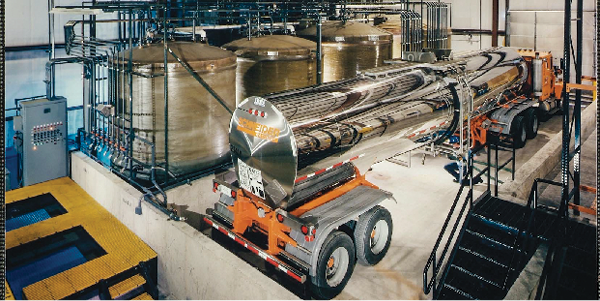
Outsourcing for Optimum Supply Chain Effectiveness
MORE TO THE STORY: An Industry in Flux The chemical industry’s complex logistics needs, safety and security concerns, and regulatory issues make outsourced logistics, transportation, distribution, and warehouse services an important part of its supply chain. Third-party logistics (3PL) providers working with the chemical industry offer a wide range of services in different levels of […]
Read More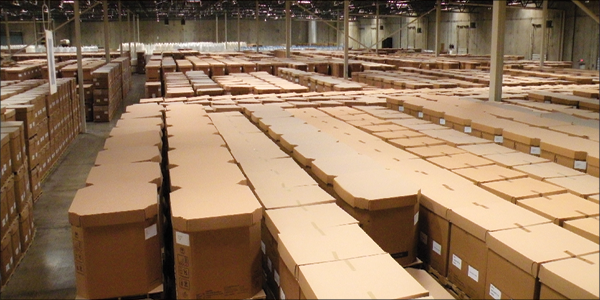
Supply Chain Technology Taps into Efficiencies
Access to technology is an important driver for logistics and transportation outsourcing in the chemical market. The industry has lagged behind some other verticals in adopting logistics and supply chain technologies, partly because of the business’ unique nature. Many small, specialized transportation providers serving the industry haven’t had the resources to offer electronic transaction services, […]
Read More
Site Selection: The Rise of Intermodal
Intermodal plays an essential role in today’s site selection process. Superior rail intermodal sites and services put your company on the right track.
Read More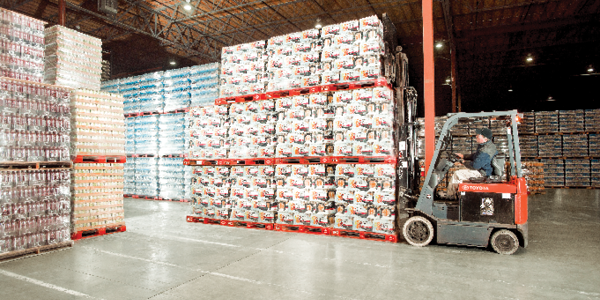
Pallet Strategies: Stacking the Odds in Your Favor
When it comes to choosing the best pallet for your shipments, the smart money is on a strategic approach that anticipates future needs.
Read More
Why Mid-market Shippers Should Leverage TMS
Q: Mid-sized firms are often stretched for resources. How can they better manage transportation? A: Many mid-market shippers manage transportation "by avoidance." They know they could be doing it better, but don’t have the time or resources to focus on it. There’s always a fire somewhere, and if product is getting out the door and […]
Read More
Shoring up Sourcing Strategies
Q: What factors are driving reshoring/near-sourcing consideration? A: A balance in labor rates between China and North America is warranting a second look at sourcing and manufacturing closer to demand. Mexico may be a first choice because of its labor cost differential, but the United States, with the promise of cheaper energy, presents another opportunity. […]
Read More
Connect and Collaborate to Better Manage Freight Spend
Q: What are the current challenges of managing freight spend? A: In today’s slow-growth economic environment, organizations are pressured to reduce costs and manage inventory well. The result is demand for frequent deliveries, which amplifies the need to control shipment costs, according to research by the Aberdeen Group. In addition, organizations operate increasingly complex supply […]
Read More