
Crises in the Middle East Call for a New Approach in Supply Chain Resilience

By focusing on four key strategic imperatives — identifying risks, understanding their origins, and knowing when and how to activate resilience measures — businesses can transform their Middle East and global supply chains and seek competitive advantage.
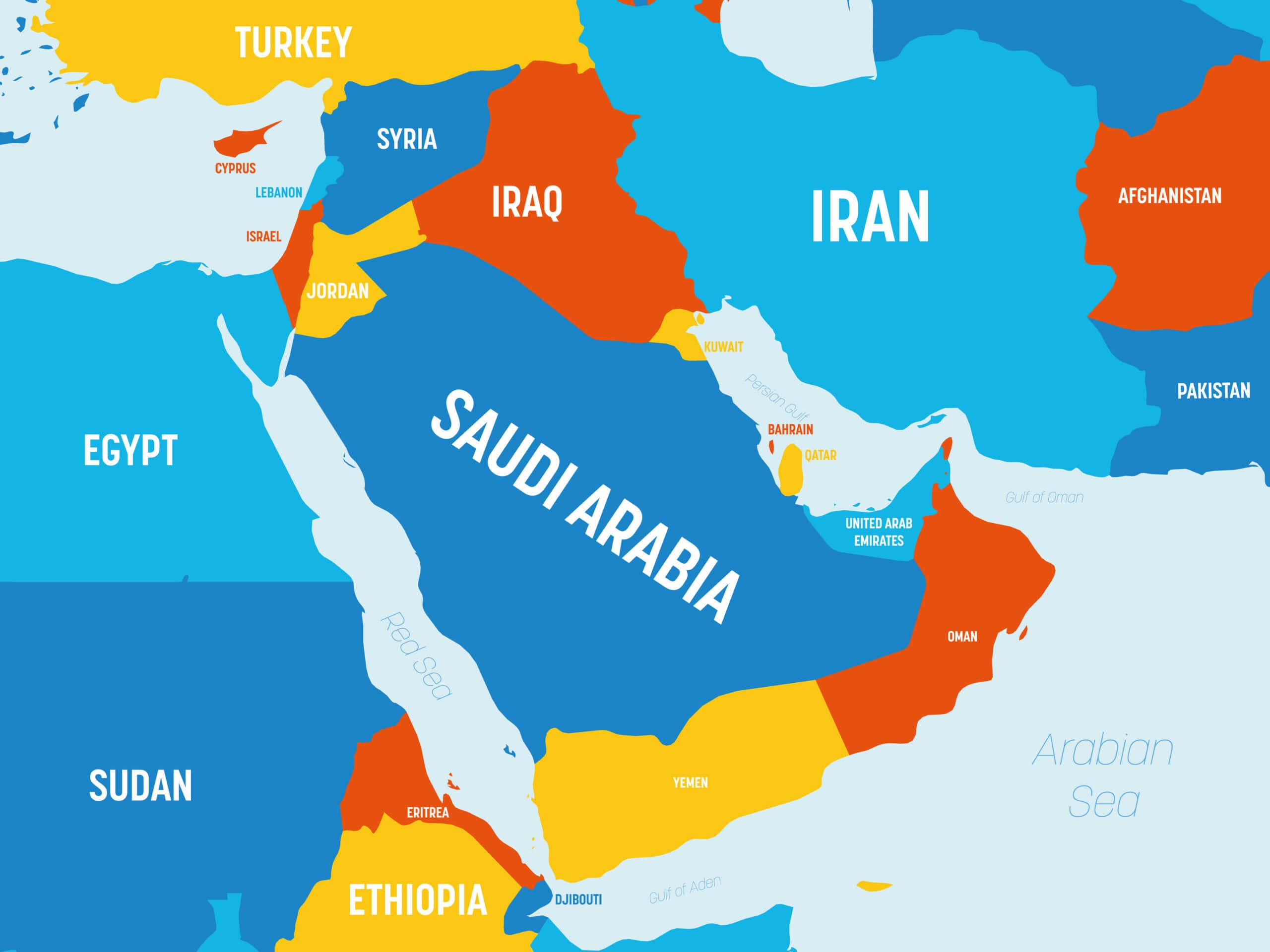
The Middle East has long been a vital crossroads of global commerce, serving as a key trading hub for millennia. However, the region is vulnerable to a range of risks, including both global threats and region-specific hazards. It’s not just the region’s strategic shipping routes that are significantly important for global trade, the region is also home to a number of suppliers that if disrupted could impact economic activity worldwide.
In a region where risk factors can change quickly, adopting a forward-looking approach — where risk management evolves from reactive oversight to proactive foresight —represents the future of supply chain resilience. This approach demands agility to respond swiftly and effectively, even as the volume of data and emerging threats continues to grow.
1) Supply chain visibility is the foundation of effective risk management
The backbone of modern supply chain resilience is data — comprehensive, real-time, and actionable. Yet given that supply chains face constant challenges and their inherent complexity often makes it difficult to pinpoint a specific area of concern, many organizations do not see the full scope of their exposures. This is especially true at the upstream tiers where 98% of supplier relationships go unnoticed until a crisis erupts.
Marsh McLennan’s Sentrisk data shows that while the Middle East region accounts for just 1.6% of supplier sites globally, those sites can have an outsize impact in key sectors like tech manufacturing (Israel), industrial inputs (Gulf Arab States), and agriculture, apparel, and automotives (Türkiye). Disruptions in the region can ripple across industries, causing cascading effects that threaten global operations.
Leveraging AI and other advanced technologies, organizations can gain unprecedented visibility into their supply chains, uncovering critical vulnerabilities such as geographic concentration, weather-related exposures, cybersecurity gaps, and bottlenecks. This centralized, real-time visibility allows organizations to understand not just where risks originate, but how they travel and may expand through what is a complex system.
2) Cultivating a resilient culture
Maximizing the benefit of increased visibility requires active engagement across multiple functions, including procurement, operations, legal, risk management, and environmental teams. Managing supply chain risk should not be the responsibility of one department or business unit.
For example, prolonged disruption along key trading routes like the Strait of Hormuz or the Suez Canal has resulted in challenges including additional costs, rerouting challenges, and shipment delays. Addressing these impacts effectively requires information sharing and collaboration across teams to develop a coordinated and efficient response to disruption.
Key actions that companies can take include:
- Fostering open, ongoing conversations about risk.
- Integrating risk insights into strategic planning.
- Promoting cross-functional collaboration across procurement, operations, finance, and legal.
Managing supply chain risks is a collective effort. When leadership understands the severity and scope of risks, they can allocate resources more effectively, whether that’s investing in diversified sourcing, fostering local production, prioritizing contingency planning, and/or selecting insurance.
3) Prioritizing through quantification
Knowing where risks exist is vital. Understanding their potential impact is equally important. And since no organization can predict every future event, the focus should be on prioritizing and protecting critical operations.
Scenario-based analysis — testing supply chains against events such as natural disasters, geopolitical upheavals, or supplier failures — can reveal critical weaknesses and inform targeted mitigation strategies.
These strategies might include storing products to mitigate shortages, redesigning products, or investing in logistics infrastructure or local production capacity. Given the many options available, selecting the strategy can be challenging, especially when assessing the return on investment. Risk quantification can help organizations evaluate the financial impact, resilience benefits, and potential severity of disruptions associated with each option. This approach enables more informed decision-making and prioritization of resilience investments.
Examples of a proactive approach are present in the shipping industry. By developing innovative logistics networks, shipping has adapted to supply chain disruptions, including those caused by Houthi attacks along key Middle Eastern sea routes in the Red Sea. This has included establishing land bridges for truck transport between ports, as well as using air and rail connections.
These diversified routes and modes of transport can help maintain business continuity and resilience amid volatility. Any adaption may come with additional cost and other risks. By assessing and scoring these diversified efforts based on risk, criticality, and cost, organizations can look to activate the most impactful levels at the right time — reducing risk exposure while aiming to seize strategic opportunities.
4) Strategizing the response
Historically, insurance coverage for supply chain risks has seen limitations from a lack of reliable data, which generally has made it difficult for insurers to price risk reliably. Now, enhanced data transparency provides greater visibility into supply chain connections, leading to improved risk insights and more customized insurance solutions, including contingent business interruption, parametric, and credit risk coverages.
Improved data collection enables more efficient risk transfer, often at lower costs when compared with holding risks on the balance sheet and can provide a form of financial safety net when disruptions occur.
Persistent geopolitical uncertainty in the Middle East has been driving demand for dynamic insurance strategies, particularly in marine, cargo, and political risk lines. This is a fast-developing sector and the coming years will likely see evolution in the insurance landscape, driven by newly available data and evolving client needs. This shift may deliver more tailored, efficient, and innovative insurance solutions.
How businesses can secure a strategic advantage
In an era where geopolitical tensions, climate change events, and cyber threats are constants, resilience isn’t optional. The future belongs to those who don’t just survive disruptions, but anticipate and adapt to them. Such organizations turn uncertainty into opportunity through strategic foresight, technological innovation, and collaborative governance.
By focusing on four key strategic imperatives — identifying risks, understanding their origins, and knowing when and how to activate resilience measures — businesses can transform their Middle East and global supply chains and seek competitive advantage.
Supply chain resilience is no longer a reactive afterthought. It’s the proactive foundation of sustainable growth in a volatile world.