
Humble Bragg: Ashton Roberts Bridges Sales, Supply Chain, and B Corp

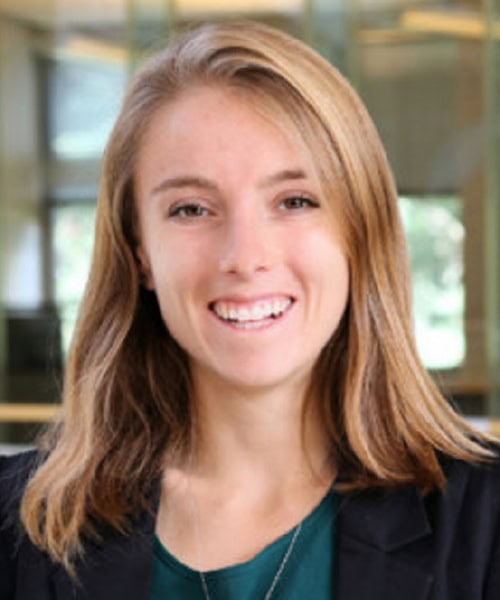
Ashton Roberts is manager of supply chain and analytics at Bragg Live Food Products, a provider of apple cider vinegar, nutritional yeast, and other products.
RESPONSIBILITIES: Implementing data-driven forecasting models, enhancing supplier partnerships, leveraging technology to increase agility and reduce waste, and modernizing the company’s supply chains without compromising quality or values.
EXPERIENCE: Manager of supply chain and analytics, senior supply chain analyst, supply chain analyst, all with Bragg; research analyst life cycle, carbon, and zero energy, New Buildings Institute; food ecosystem feasibility analyst, RAIN Eugene; customer success operations specialist, Procore Technologies.
EDUCATION: M.B.A., Sustainability Studies, University of Oregon; B.A., Psychology and Communication, UC Santa Barbara.
I sit in a sweet spot between sales operations and supply chain at Bragg, where I see that everything between the two are flowing smoothly. A lot of my role is making sure we have good forecast tracking data, and that the operations team is prepared for any sales promotions.
When I came into this role about three years ago, I was excited for Bragg to earn B Corp certification (a designation that a business meets high verified performance, accountability, and transparency standards). Our board of directors and C-suite told me, “Go for it. Lead the charge.”
I’m on the younger end of the Bragg organization, and it can be difficult to be seen as a leader. But everybody has something to offer. I trust that the folks I work with are competent and capable, and can think critically. I give my reports problems and let them surprise me with the solutions.
B Corp certification took about one year, with a full company assessment that goes into detail about everything from employees to supply chain to marketing practices.
Leading the Team
I have a good handle on most of the supply chain and environmental information, because supply chains generate most companies’ environmental impacts. However, I don’t presume to know every function at Bragg.
I pulled in coworkers to help complete the governance and social sides of the assessment. It became a project management role, making sure we were going through the process correctly, had the right approvals, and that everyone knew what was going on and was ready to move forward.
While there was no skepticism or pushback, the one gap I had to overcome was lack of knowledge. The assessment takes a lot of work and bandwidth, and I needed to make sure everyone understood that before we jumped into it. I brought the knowledge I’d gained—I have an MBA with a specialization in sustainable practices—to the table to help make sure people were fully on board.
After driving the process, it was awesome to see it come full circle.
Before graduate school, I worked with a software company, but realized that life wasn’t for me because the product isn’t as tangible as I wanted it to be. That brought me back to school and a specialization in sustainable business practices.
During my internship with Rain Eugene, a food ecosystems innovation lab, I learned about local food systems and what it means to have a healthy supply chain and food ecosystem. That was key in helping me think about what I wanted to do with my career. When the job at Bragg opened, it was a natural fit.
The biggest misconception about supply chain and sustainability is that they’re always at odds. We’ve made changes within our supply chain, like using more rail, that save costs and emissions. An efficient supply chain typically means fewer emissions, fewer trucks on the road, and shorter production times.
Operations and supply chain are the meat of most businesses. Real change for the planet has to come from improving fundamental supply chain operations.
Ashton Roberts Answers the Big Questions
1. What advice on supply chain or leadership has helped you?
I tend to move fast and want to just go. One boss told me I needed to bring people along. That has been important when pushing through some of the sustainability work. I try to make sure that I bring folks along with me for the journey, so we move ahead together.
2. What superpower would you choose to have?
I’d be like Dash from The Incredibles and run fast. I love covering large distances under the power of my own body.
3. What advice would you give your 18-year-old self?
There was a lot of pressure coming out of high school and undergrad just to get a job. But you can take some time to figure out what you’d like to do. And if you go into something you don’t like, you can always pivot. Just keep moving and know that it will be okay.
4. How do you define business success?
A successful business can gracefully balance trying to make a profit with doing better for the planet and having a happy employee base.
5. What are the first three things you check each morning?
Email, Teams, and my calendar. I also keep a pulse on how we’re doing sales-wise, so I understand what’s coming down the line for my team and know whether we will have to change production or supply.