
Understanding Incoterms: Definition, Importance, and Key Responsibilities
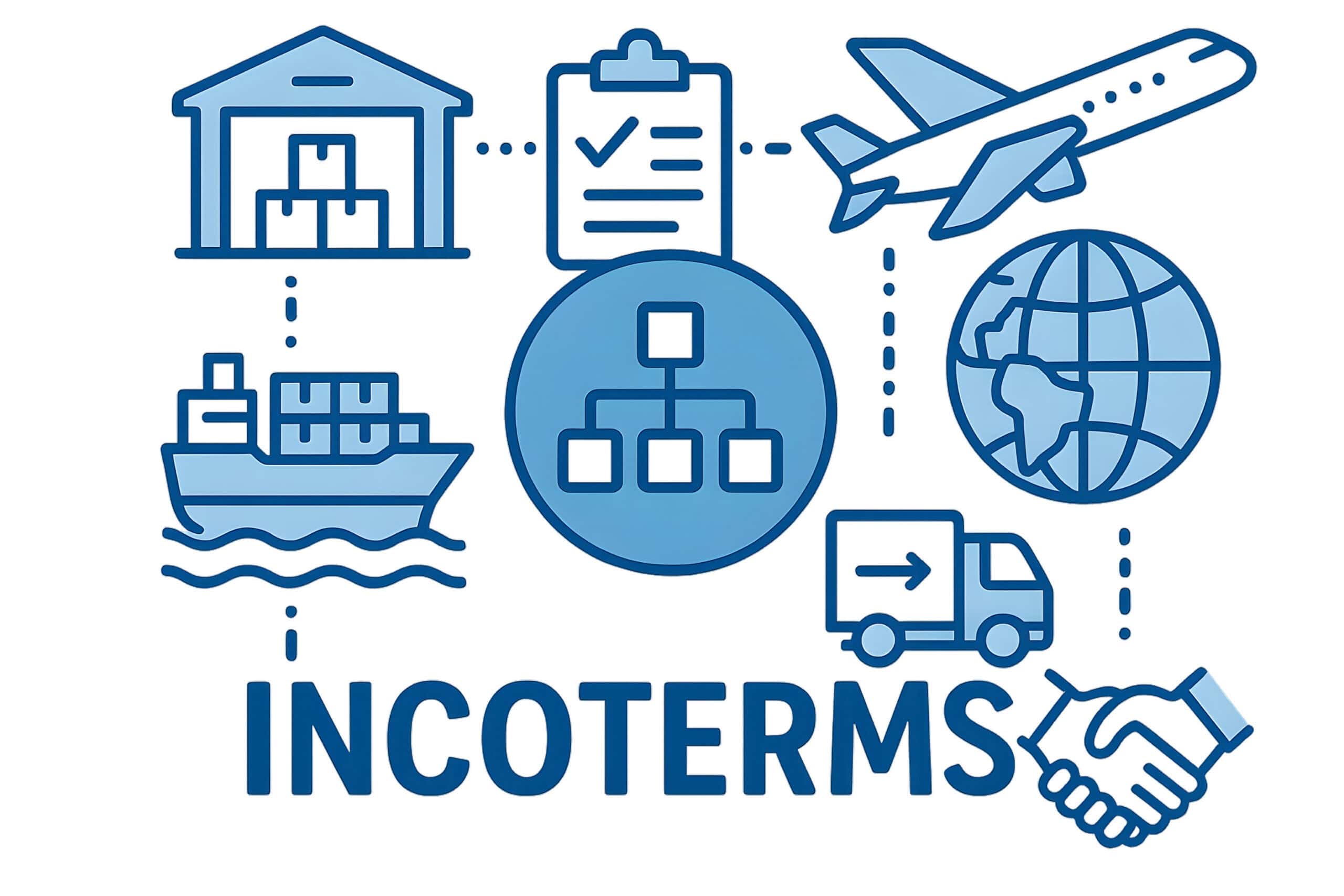
Incoterms are a foundational element of global trade, providing a standardized framework that defines the responsibilities of buyers and sellers in international transactions. Whether goods are shipped across oceans or borders, incoterms help clarify who pays for what, who bears risk, and when ownership responsibilities shift.
In simple terms, Incoterms (International Commercial Terms) are globally recognized rules that outline the obligations of each party in a sales contract. They matter because they reduce confusion, prevent costly disputes, and ensure smoother coordination in international trade.
What Are Incoterms?
Incoterms, short for International Commercial Terms, are a set of standardized trade rules used worldwide in international and domestic contracts for the sale of goods. They clearly define the roles and responsibilities of buyers and sellers, particularly in relation to transportation, risk, insurance, and delivery.
These rules are created and maintained by the International Chamber of Commerce (ICC), which periodically updates them to reflect changes in global trade practices. By providing a common language for trade, Incoterms simplify complex logistics arrangements and help businesses avoid misunderstandings across different legal systems and regions.
Importance of Incoterms in International Trade
Incoterms play a critical role in international trade by clearly outlining who is responsible for each stage of the shipping process. From export clearance to final delivery, these rules eliminate ambiguity and ensure both parties understand their obligations.
They also reduce the likelihood of disputes by specifying cost allocation and risk transfer points in advance. As a result, Incoterms are widely incorporated into sales contracts around the world, serving as a reliable framework for global commerce and logistics planning.
Key Responsibilities Defined by Incoterms
At their core, Incoterms define three primary areas of responsibility: cost allocation, risk transfer, and delivery obligations. These elements ensure both buyer and seller know exactly what is expected of them throughout the transaction.
Division of Costs
Incoterms clearly allocate transportation, insurance, and logistics costs between buyer and seller. For example, under CIF (Cost, Insurance, and Freight), the seller pays for shipping and insurance to the destination port, while the buyer assumes costs after arrival.
In contrast, EXW (Ex Works) places nearly all financial responsibility on the buyer, including transportation and export duties. These distinctions help both parties budget accurately and avoid unexpected expenses.
Risk Transfers
Another critical function of Incoterms is defining when the risk of loss or damage transfers from seller to buyer. This transfer point varies depending on the term used.
For instance, under FOB (Free on Board), risk transfers once the goods are loaded onto the vessel. Clearly defining this moment is essential for preventing disputes and ensuring proper insurance coverage.
Delivery Obligations
Incoterms specify where and how the seller must deliver goods to the buyer. These delivery points can range from the seller’s premises to the buyer’s final destination.
For example, FOB requires the seller to deliver goods onto a ship at a designated port, while DDP (Delivered Duty Paid) requires the seller to deliver goods directly to the buyer’s location, including handling import duties. These distinctions impact logistics planning and operational execution.
Additional Terms
In addition to the core responsibilities, several commonly used Incoterms are essential to understand:
- EXW (Ex Works): The seller delivers goods at their premises; the buyer assumes most responsibilities and risks.
- FOB (Free on Board): The seller delivers goods onto a vessel; risk transfers once loaded.
- CIF (Cost, Insurance, and Freight): The seller covers shipping and insurance to the destination port.
- DDP (Delivered Duty Paid): The seller is responsible for delivering goods to the buyer, including duties and taxes.
- Seller delivers the goods: Indicates the exact point where the seller fulfills their obligation.
- Named place of destination: Specifies the agreed delivery location in the contract.
- Risks involved: Defines when liability for loss or damage transfers between parties.
Together, these terms provide clarity and consistency in global trade agreements.
Overview of Incoterms 2020
Incoterms 2020 is the most recent version of these rules, introduced to reflect modern trade practices and evolving logistics environments. It includes 11 terms, categorized by mode of transport, and provides clearer guidance on responsibilities and risk allocation.
Key updates include improved clarity on insurance requirements under CIF and CIP, expanded guidance on security-related obligations, and more precise definitions of delivery points. These changes help businesses better navigate today’s complex supply chains.
Overall, Incoterms 2020 enhances transparency and efficiency in international trade while ensuring compliance with current customs and regulatory standards.
Examples of Common Incoterms in Practice
In real-world scenarios, Incoterms guide how goods move across borders and who is responsible at each stage.
For example, under FOB (Free on Board), a seller in one country loads goods onto a ship, and the buyer assumes responsibility once the cargo is onboard. This is commonly used in sea and inland waterway transport.
Under DDP (Delivered Duty Paid), the seller manages the entire shipping process, including customs clearance and import duties, delivering goods directly to the buyer’s location. Meanwhile, Free Carrier (FCA) allows delivery to a carrier at a specified location, making it flexible for multiple transport modes.
These examples demonstrate how Incoterms adapt to different shipping methods and business needs.
How to Choose the Right Incoterm for Your Sales Contract
Selecting the right incoterms is essential for aligning responsibilities, costs, and risk between buyer and seller. The correct choice can significantly impact the success of a transaction.
Guidance on Selecting the Appropriate Incoterm
To choose the most suitable Incoterm, businesses should evaluate the nature of the transaction, including shipping methods, risk tolerance, and logistical capabilities. It’s also important to consider the level of control each party wants over the shipping process.
Clear communication between buyer and seller is key to ensuring the selected term aligns with expectations and operational realities.
Factors in Choosing an Incoterm
- Mode of Transport: Some Incoterms are specific to sea freight, while others apply to all transport modes.
- Risk Preferences: Determine how much risk each party is willing to assume during transit.
- Cost Responsibilities: Consider who will handle shipping, insurance, and customs-related costs.
- Type of Goods: Fragile or high-value goods may require more controlled shipping arrangements.
- Buyer-Seller Relationship: Established partnerships may allow for more flexible terms.
Understanding these factors helps businesses make informed decisions and leads into a deeper evaluation of cost implications.
Understanding Costs and Duties
A thorough understanding of transportation costs, import duties, and related fees is essential when selecting an Incoterm. Misalignment in these areas can lead to unexpected expenses and strained business relationships.
By clearly defining financial responsibilities upfront, both parties can avoid disputes and ensure a smoother transaction process.
Conclusion
Incoterms are a vital tool in international trade, providing a standardized framework that defines responsibilities, costs, and risk allocation between buyers and sellers. By eliminating ambiguity, they help businesses operate more efficiently across borders.
Choosing the correct Incoterm can significantly impact the outcome of a trade agreement, influencing everything from shipping costs to liability and delivery timelines. Making the right choice requires careful consideration of logistics, risk tolerance, and financial responsibilities.
To stay competitive and compliant, businesses must remain up to date with the latest rules, such as Incoterms 2020, ensuring their trade practices align with current global standards.