
Wegmans Invests $110M in Cold Chain as Grocers Add Fresh Capacity
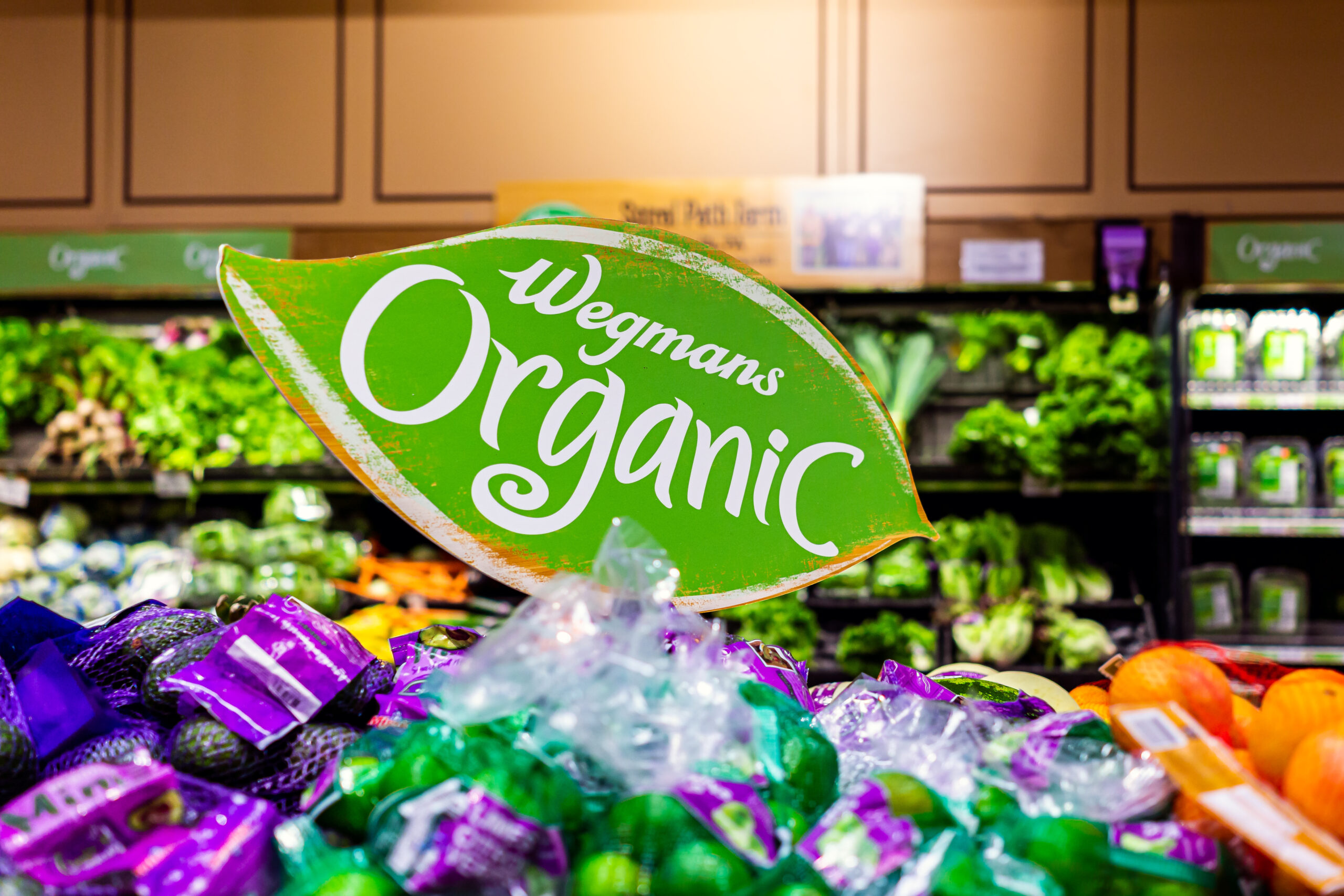
Wegmans is spending $110 million on a refrigerated facility in Rochester. Target and ALDI have announced their own fresh food distribution builds this year.

By Ashley Prince | September 24, 2026
Wegmans Food Markets is spending $110 million on its supply chain network. The plan adds a refrigerated perishables facility in Rochester, N.Y. and closes the company’s oldest leased distribution center.
The announcement follows similar moves by two larger chains. Target opened a $367 million food distribution center in Thornton, Colo. in June, and ALDI U.S. recently said it will build three distribution centers by 2029.
Grocers are adding distribution capacity built for fresh food. Federal data show cold storage run by food operators is growing while third-party capacity shrinks, though the survey doesn’t track grocery distribution centers specifically.
Wegmans Adds Refrigerated Space in Rochester
The new Rochester facility will support perishable operations, including produce, meat, seafood, deli, and restaurant foods. Wegmans will also move its return center out into a modernized building in Rochester.
The company says the projects will add capacity and reduce its reliance on third-party providers. Brian Olney, Wegman senior vice president of supply chain and food safety, said the changes are essential to a “safe, more efficient, and more resilient supply chain.”
Wegmans will also fold its Winton Road general merchandise distribution center into its Pottsville, Pa. facility in spring 2027. It calls Winton Road its oldest leased distribution facility and says the site does not meet future service needs. The company says there will be no layoffs tied to the changes.
Wegmans has flagged capacity limits before. A 2023 article on its site about the Virginia Service Center in Ashland said the Rochester and Pottsville centers were nearing capacity as stores opened in Virginia and North Carolina. The company said fresh food made delivery timing more critical.
Target Builds a Consolidation Hub
Target says its Thornton center covers 529,000 square feet of temperature-controlled space, serving 129 stores in 11 states. Replenishment runs up to two days faster than before the center opened. It is Target’s ninth food distribution center and its fourth in three years.
Thornton is also the first Target food distribution center with consolidation capabilities. A dedicated section combines separate vendor shipments into full trucks bound for a set destination. Target says this reduces the volume and cost of transportation and speeds unloading at its other food facilities. A site director said the center should cut total farm-to-shelf lead time by one to two days.
ALDI Expands Chilled Distribution
ALDI U.S. linked its distribution plans to store growth. In January, the company said that it would open more than 180 stores across 31 states in 2026, reaching nearly 2,800 by year-end. Its goal is 3,200 stores by the end of 2028. It is investing $9 billion in the U.S. through 2028.
New distribution centers are planned for Baldwin, Fla. in 2027, Goodyear, Ariz. in 2028, and Aurora, Colo. in 2029. ALDI is also adding a chilled center for perishable foods at its Haines City, Fla. site. The company says the addition will support more fresh meat and produce deliveries across the Southeast.
Operator-Held Cold Storage Is Growing
The U.S. Department of Agriculture’s National Agricultural Statistics Service put gross U.S. refrigerated warehouse capacity at 3.99 billion cubic feet on Oct. 1, 2025. That was up about 8% from 3.7 billion in 2023.
Public warehouses, which store food for others at set rates, held 2.46 billion cubic feet, 62% of the total.
Private and semiprivate capacity, kept by food producers and manufacturers for their own use, reached 1.53 billion. It has roughly doubled since 2017. Public capacity fell 13% over the same period.
The survey does not measure grocery distribution centers, but it illustrates the trend of cold storage shifting toward capacity held by the companies that use it. This is essentially the same trend Wegmans described when talking about reducing its reliance on third-party providers.
Takeaways for Suppliers and Providers
- Track new refrigerated distribution capacity in served regions
- Ask grocery customers which third-party providers they plan to rely on less
- Confirm delivery windows and receiving points when retailers consolidate older facilities
- Compare vendor shipment practices with retailer programs that combine multiple vendors’ freight into full trucks
- Track retailer distribution openings as a signal of where store growth is headed
Click here for more cold chain sector trends and updates.