
What Is Logistics Tracking? Types, Benefits, And Best Practices

Modern logistics depends on visibility. From order placement to final delivery, businesses must know where goods are, what condition they’re in, and when they will arrive. That’s where logistics tracking plays a crucial role in today’s supply chain environment.
As customer expectations rise and global commerce expands, companies can no longer rely on guesswork. Businesses aiming to improve supply chain efficiency and operational effectiveness are increasingly adopting logistics tracking technologies. These solutions help enhance efficiency and streamline operations by providing real-time data, reducing delays, and optimizing workflows. This guide explains what is logistics tracking, outlines the different types of tracking systems, explores the benefits, and shares best practices to help organizations improve efficiency and remain competitive.
Defining Logistics Tracking
So, what is logistics tracking?
Logistics tracking refers to the process of monitoring and managing the movement, storage, and status of goods throughout the entire supply chain. It involves collecting and analyzing tracking data at every stage — from warehouse storage and distribution centers to transportation and the final destination.
The backbone of any effective logistics system includes data collection tools, communication networks, and analytical software. Logistics tracking is essential for managing and optimizing supply chain processes, ensuring that each step is efficient and well-coordinated.
In simple terms, logistics tracking ensures businesses have visibility into the shipping process and can monitor shipment status in real time. By using a logistics tracking system, companies gain transparency across supply chain operations and maintain greater control over inventory levels, order fulfillment, and the delivery process, all of which are core components of effective logistics management.
Because supply chain management involves many moving parts and parties involved — suppliers, logistics providers, carriers, warehouses, and retailers — logistics tracking is important for coordinating activities and reducing errors across the entire journey of a product, making it a critical element of broader supply chain monitoring practices. Logistics tracking also promotes operational transparency by providing real-time visibility into supply chain activities, enabling better decision-making and improving overall efficiency.
Logistics Tracking System
A logistics tracking system is a powerful platform designed to give businesses complete oversight of goods as they move through the entire supply chain. By integrating advanced technologies such as GPS, RFID, and IoT sensors, these systems deliver real-time tracking data that enhances visibility and control over logistics operations. With a logistics tracking system in place, companies can optimize routes to ensure timely deliveries, reduce transportation costs, and minimize manual errors that can disrupt the shipping process.
Beyond operational efficiency, a logistics tracking system supports proactive communication by providing automated updates and timely notifications to both internal teams and customers. This transparency helps identify areas for improvement, address potential delays before they escalate, and maintain a smooth flow of goods from origin to final destination. Ultimately, leveraging a logistics tracking system empowers businesses to streamline the entire supply chain, boost customer satisfaction, and stay competitive in a fast-paced market.
Types Of Logistics Tracking
Different tracking systems support different stages of the shipping process. Tracking in logistics plays a crucial role in enhancing customer experience by providing real-time shipment updates, facilitating clear communication, and improving overall supply chain transparency. Most organizations use a combination of tracking solutions to cover the entire supply chain.

Real-Time Tracking Systems
Real-time tracking systems use GPS technology, telematics systems, and other location technology to provide real time visibility into shipments. A global positioning system device installed in vehicles or containers sends tracking information through mobile apps or software platforms.
This form of real time tracking enables businesses to monitor shipment status continuously. It also helps optimize routes, which contributes to improved fuel efficiency by reducing unnecessary mileage and optimizing resource usage. Real-time tracking also allows businesses to respond to potential disruptions, and real-time alerts from logistics tracking systems enable proactive management of delays due to traffic or customs issues, ensuring smoother operations and timely deliveries.
Real time monitoring is particularly valuable for high-value goods or time-sensitive deliveries where reducing delays is essential, especially when combined with IoT-enabled logistics tracking that uses connected devices and sensors to enhance visibility.
Barcode Tracking
Barcode tracking is one of the most widely used tracking systems in logistics operations. Each package receives a unique tracking number linked to a barcode. When scanned at checkpoints such as warehouses or distribution centers, the tracking system updates shipment tracking information.
Barcode tracking is cost-effective and supports efficient handling during order processing and order fulfillment. It allows businesses to track items through each stage of the purchasing process and delivery process.
Because barcode scanning produces reliable historical data, companies can analyze trends and identify areas for improving overall efficiency.
RFID Tracking
Radio frequency identification (RFID) tracking uses radio signals to automatically capture data from tags attached to goods. Unlike barcode systems, RFID does not require direct line-of-sight scanning.
RFID tracking systems improve inventory management and tracking products in bulk. The technology supports real time visibility and enhances supply chain operations by reducing manual input errors.
According to research from the University of Minnesota’s open textbook on track and trace systems, RFID plays a crucial role in improving transparency across global logistics networks.
Benefits Of Effective Logistics Tracking
Effective logistics tracking offers measurable advantages across logistics and supply chain management.
- Increased Transparency: Provides real time visibility across the entire supply chain so businesses and customers can check shipment status at any point.
- Improved Efficiency: Enables real time tracking data to improve efficiency and support optimizing supply chain operations. Operational efficiency from logistics tracking includes reduced fuel consumption and improved on-time delivery rates.
- Cost Reduction: Reduces costs by minimizing lost goods, lowering total cost, improving efficiency, and helping carriers optimize routes while minimizing errors through advanced tracking systems.
- Improved Customer Satisfaction: Meets customer requirements by providing accurate, transparent, and real-time updates, which leads to increased trust, loyalty, and ultimately improved customer satisfaction.
- Better Inventory Management: Maintains optimal inventory levels and supports order fulfillment accuracy. Improved inventory management through logistics tracking leads to better demand forecasting and reduced stockouts.
- Better Decision Making: Logistics tracking data enables more informed and strategic choices in supply chain management, leading to improved efficiency and enhanced customer satisfaction.
- Informed Decision Making: Technology enables businesses to gain real-time insights into shipment status, resulting in more effective and well-informed logistics and supply chain decisions.
- Proactive Decision Making: Real-time data and predictive analytics empower businesses to anticipate issues and proactively optimize their supply chain operations.
- Predictive Analytics: AI and machine learning algorithms analyze logistics tracking data to forecast potential disruptions and optimize logistics processes, supporting proactive decision-making and real-time problem-solving.
- Proactive Issue Resolution: Identifies potential threats and logistics problems before they escalate.
- Stronger Service Quality: Ensures compliance and maintains consistent service quality through automated updates.
Real-time updates from logistics tracking foster trust and transparency in brand communication.
Together, these benefits demonstrate why logistics tracking important strategies directly impact customer satisfaction and supply chain performance, especially when combined with broader logistics optimization efforts that systematically refine transportation, warehousing, and distribution.
Enhanced Customer Experience
Logistics tracking is a cornerstone of delivering an exceptional customer experience in today’s fast-moving marketplace. By offering real-time visibility into the shipping process, businesses enable customers to track their orders at every stage, from dispatch to final delivery, which is essential for building an agile supply chain capable of rapid response to changing customer expectations. Access to up-to-date tracking information not only meets but often exceeds customer expectations, allowing them to plan around delivery times and reducing uncertainty.
This level of transparency builds trust and fosters loyalty, as customers appreciate being kept informed with proactive updates and clear communication. When issues arise, logistics tracking allows businesses to respond quickly and resolve concerns efficiently, further enhancing the overall customer experience. By prioritizing logistics tracking, companies can differentiate themselves, adapt to evolving customer demands for speed and flexibility, and establish a reputation for reliability and service excellence.
Competitive Advantage
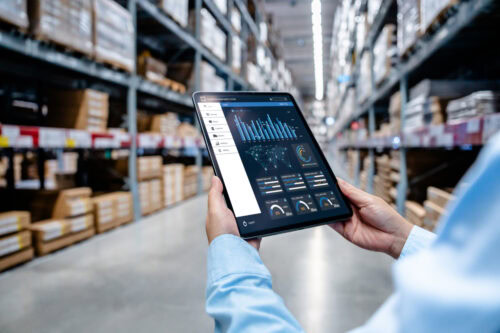
Adopting a robust logistics tracking system can be a game-changer for businesses seeking a competitive advantage in the logistics and supply chain sector, as demonstrated by companies highlighted for mastering supply chain management strategies and using data-driven tools to stay resilient. Real-time tracking data and analytics empower companies to optimize supply chain operations, streamline processes, and deliver superior service quality, particularly within hybrid supply chain models that blend lean and agile strategies. With the ability to monitor shipments in real time, businesses can quickly respond to potential disruptions, minimize delays, and maintain high standards of customer satisfaction.
A logistics tracking system also provides valuable insights that help identify areas for operational improvement and cost reduction, driving better overall logistics performance. By leveraging these capabilities, companies can enhance their service offerings, attract and retain customers, and expand their market share. In a landscape where efficiency and reliability are paramount, logistics tracking delivers the competitive edge needed to stay ahead and future-proof business operations.
Best Practices In Logistics Tracking
To maximize results, organizations should follow proven best practices when implementing logistics tracking systems.
Integration Of Technologies
A modern logistics tracking system should combine GPS technology, barcode scanning, RFID, and transportation management systems. Integrating these tracking solutions creates seamless visibility across supply chain operations.
When logistics tracking software connects with inventory management and order processing platforms, businesses gain greater control over the entire journey of goods.
Data Analysis And Reporting
Collecting tracking data is only the first step. Companies must analyze logistics tracking data regularly to uncover actionable insights.
By reviewing shipment status trends and historical data, organizations can improve efficiency, reduce costs, and address recurring delays, especially when they track structured supply chain performance metrics to guide continuous improvement. Data-driven decisions strengthen supply chain management and improve customer experience.
The U.S. Bureau of Labor Statistics notes that logisticians play a critical role</a> in analyzing data to coordinate complex supply chain activities.
Training And Support
Even advanced tracking software cannot deliver value without proper training. Employees across logistics operations must understand how to use the tracking system effectively.
Customer service teams also need access to accurate tracking information to handle inquiries and provide proactive communication during the returns process or final delivery.
Security Measures
Logistics tracking systems generate significant data. Protecting that tracking data is essential to ensure compliance and prevent cyber risks.
Organizations should implement encryption, user authentication, and monitoring tools to safeguard logistics tracking software and prevent unauthorized access.
Blockchain Technology In Logistics Tracking
Blockchain technology in logistics is rapidly transforming logistics tracking by introducing a new level of security, transparency, and trust across the supply chain. By creating an immutable, tamper-proof ledger of shipment data—including origin, transit points, and delivery details—blockchain ensures that all parties involved have access to accurate, real-time tracking information. This transparency not only streamlines communication but also reduces the risk of counterfeiting and unauthorized changes to shipment records.
For industries with strict regulatory requirements, such as the pharmaceutical industry, blockchain-based logistics tracking provides a secure and auditable trail of every transaction and movement. Automated updates and proactive alerts further enhance operational efficiency, while improved inventory management helps businesses maintain optimal stock levels and reduce losses. As blockchain adoption grows, companies leveraging this technology can expect to see reduced costs, greater compliance, and higher levels of customer satisfaction throughout the supply chain.
Implementation Of Logistics Tracking Solutions
Successfully implementing logistics tracking solutions begins with a comprehensive assessment of the entire supply chain, from order fulfillment to final delivery. Businesses should identify specific areas within their logistics operations that would benefit most from enhanced tracking and select the technologies—such as GPS devices, RFID tags, or IoT sensors—that best fit their operational needs. Integrating these tools with existing transportation management systems and software platforms is crucial for seamless data flow and real-time visibility.
To maximize the value of logistics tracking, companies should leverage data analytics to gain valuable insights into supply chain performance and identify opportunities for improvement. Proactive communication is also essential; providing customers with real-time tracking information and updates throughout the shipping process builds trust and satisfaction. By taking a strategic approach to implementation, businesses can enhance logistics performance, reduce costs, and gain a competitive edge in the marketplace, ensuring their supply chain remains agile and responsive to changing demands.
Challenges In Logistics Tracking
While logistics tracking provides many advantages, businesses may encounter challenges during implementation.
One common issue is integrating multiple tracking systems across the entire supply chain. Different software platforms and telematics systems may not communicate seamlessly. Companies often need specialized logistics tracking software to unify tracking information.
Another challenge is data overload. Real time monitoring produces large volumes of data. Without proper analysis tools, organizations may struggle to identify areas that truly impact supply chain performance.
Privacy and security concerns also require attention. Tracking shipments across borders and partners involves sharing sensitive information among parties involved. Businesses must ensure compliance with regulations and protect customer data.
Overcoming these challenges requires strategic planning, strong IT support, and continuous improvement efforts, along with addressing broader logistics management challenges such as rising transportation costs, compliance, and data complexity.
Future Trends In Logistics Tracking
The future of logistics tracking is shaped by advanced technology and smarter data use.
Artificial intelligence and machine learning are transforming tracking systems by predicting potential disruptions and suggesting ways to optimize routes. These technologies enhance real time visibility and allow companies to anticipate delays before they occur.
Blockchain is also emerging as a tool to strengthen transparency and ensure compliance across the shipping process. By creating tamper-proof tracking records, blockchain increases trust among supply chain partners.
As mobile apps and cloud-based software platforms evolve, logistics tracking systems will become even more accessible and integrated across global networks.
Conclusion
Understanding what is logistics tracking is essential for any organization involved in logistics or supply chain management. Logistics tracking refers to the use of tracking systems, location technology, and tracking software to monitor goods from origin to final destination.
By implementing effective logistics tracking systems, businesses improve efficiency, reduce costs, enhance customer satisfaction, and gain greater control over supply chain operations. As technology continues to evolve, staying current with best practices in logistics tracking will help companies maintain a competitive edge and deliver consistent value throughout the entire supply chain.