
1 in 6 Women Truckers Experience Harassment. These Truck Stops Are Doing Something About It.
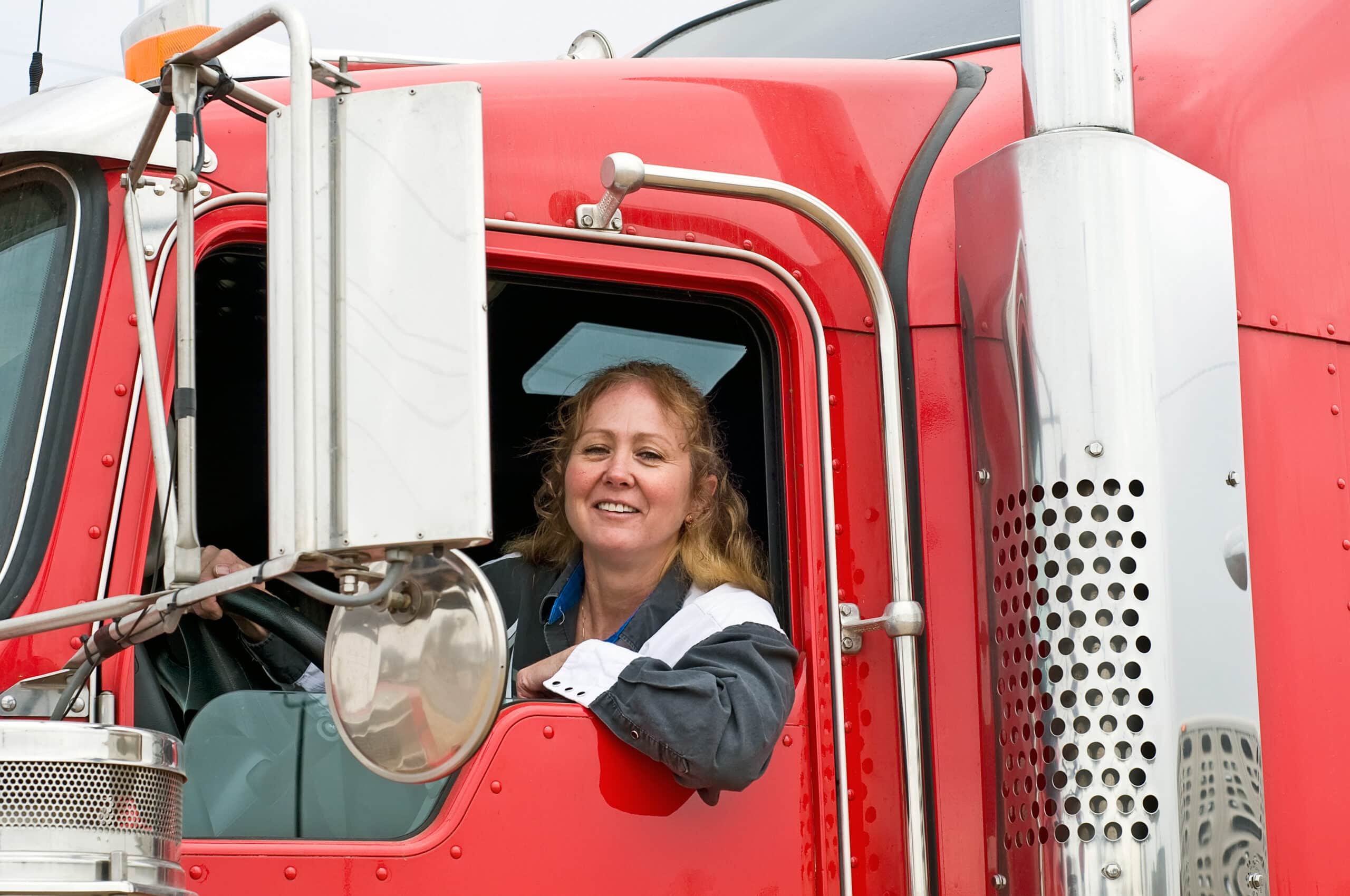
Data shows truck stops are the most common site of harassment against women drivers. WIM and Trucker Path are using technology and $200 million in federal backing to make stopping safer for women on the road.
By Ashley Prince | May 20, 2026
Two years into a partnership aimed at making truck stops safer for women drivers, the American Trucking Associations’ Women In Motion (WIM) Council and Trucker Path have named their first top three women-friendly truck stops: Compass Travel Center in DeMotte, Indiana; Garden Inn Truck Plaza in Mound City, Missouri; and Talent Truck Stop in Talent, Oregon.
The need for that designation is well documented. Truck stops are the single most common location for harassment incidents against women drivers, according to the 2022 FMCSA Crime Prevention for Truckers Study.
The study found that 23-30% of harassment incidents occur at truck stops. That is the highest share of any evaluated location, including cargo pickup and delivery points (15-17%) and fueling stations (9-11%).
Women truck drivers report sexual harassment at more than twice the rate of non-minority men, according to the FMCSA study. Minority women are up to nine times more likely to report being physically harmed.
The study also found that about 42% of affected women don’t report incidents at all, citing a belief that it won’t make a difference or a sense that they have no choice but to tolerate it.
In order to identify the safest truck stops, WIM gathered input from drivers on which amenities mattered most and built a scoring framework around those priorities. Top considerations included lighted parking, bathroom access, lounge areas, showers, and laundry facilities, along with 24/7 maintenance and on-site security. The list tracks with what the FMCSA study recommended years earlier.
All three named “women-friendly” truck stops met all seven WIM criteria and scored highest among Trucker Path app users.
“Amenities like lighted parking lots, bathroom access, and on-site security are not simply matters of convenience — they are essential to ensuring women’s wellbeing,” said Nikki Thomas, ATA vice president of industry affairs. “One of the most rewarding outcomes of the WIM-Trucker Path partnership has been hearing directly from truck stop owners who have added or upgraded amenities to help women feel safer at their facilities.”
The WIM-Trucker Path partnership launched in late 2023 with the goal of closing the information gap between women drivers and the facilities equipped to serve them safely. Trucker Path, used by more than one million professional truck drivers, added WIM-specific search functionality to its platform in 2024. Since then, more than 12,000 truck stops have listed at least one WIM amenity and nearly 250 now offer all seven.
“The WIM section of the Trucker Path app has been accessed more than 64 million times, and that number continues to grow every day,” said Chris Oliver, Trucker Path CMO. “We are proud to be able to use our platform to help WIM reach and support women drivers.”
It is important to acknowledge that the safety issues women face in the industry extend beyond individual truck stops.
A June 2024 ATRI study, “Identifying and Mitigating the Challenges Faced by Women Truck Drivers,” found that roughly one in six women drivers experiences harassment or discrimination on a daily basis, more than twice the rate for men. Nearly a quarter have left the industry over personal safety concerns.
ATRI’s research identified six core challenge areas: industry image, training completion, company culture, over-the-road lifestyle demands, limited parking and restroom access, and gender harassment. Parking and restroom access ranked among the most cited operational problems.
The numbers show up in enrollment too. Women represented 10.7% of student drivers and trainees in 2024, down from more than 15% in 2022, per a National Transportation Institute survey. The 2024-25 Women in Trucking Index put women at 9.5% of all professional drivers, down from 12.1% the prior year, with safety concerns among the cited factors in the decline.
The same ATRI research found that women were safer drivers than their male counterparts in every statistically significant category, with fewer crashes, convictions, and violations. This makes them valuable additions to fleets. Retaining women in driver roles, however, has proven to be a challenge.
New federal investment, combined with the work of groups like WIM, offers a dose of optimism for the future of women in trucking. Congress recently approved $200 million for truck parking expansion following advocacy by ATA and WIM.
Truck stop operators can add or update WIM amenity data through the Trucker Path Business Portal. With nearly a quarter of women leaving the industry over safety concerns, there is a clear incentive for more companies to commit to creating safer spaces.