
FedEx Orders 2,000 Electric Trucks From Harbinger in $300M+ Deal
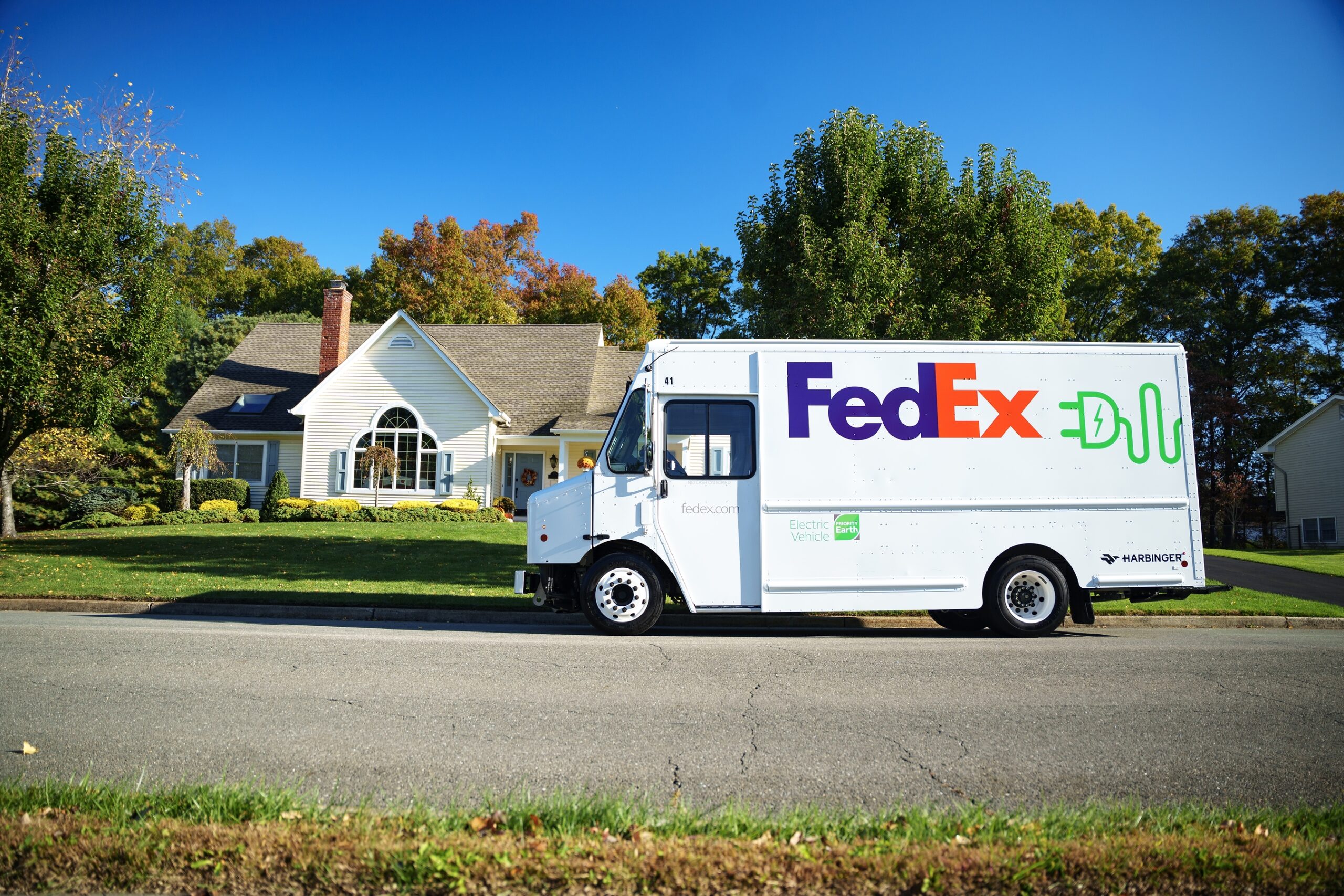
The binding order covers Class 5 and 6 pickup and delivery trucks. All units are due by the end of 2027.
FedEx has submitted an order for 2,000 new all-electric trucks, valued at more than $300 million. Harbinger announced the order on September 30, less than a year after FedEx ordered 53 trucks from the California manufacturer. The company believes it is one of the largest binding orders ever placed for electric medium- or heavy-duty trucks.
The vehicles represent a significant step in FedEx’s publicly stated goal of electrifying its entire pickup and delivery fleet by 2040. The new vehicles will arrive by the end of 2027 and operate in FedEx pickup and delivery networks across the U.S. and Canada.
From Pilot Order to Fleet Rollout
The deal builds on an existing relationship between the two companies. In November 2025, FedEx co-led Harbinger’s $160 million Series C round, which brought the startup’s total funding to $358 million. FedEx’s initial 53-truck order came alongside that investment.
Paul Melander, FedEx senior vice president of safety and transportation, is also a member of Harbinger’s board of directors.
“Electrifying a fleet at this scale requires vehicles that can perform the work our robust operations demand while also delivering meaningful economic benefits,” Melander said. “Expanding our deployment of Harbinger vehicles gives us an opportunity to continue making progress toward our fleet electrification goals while reducing fuel and operating costs.”
The new trucks will replace conventional vehicles one for one, and the orders include a mix of Harbinger’s all-electric models.
The Economic Advantage
Harbinger estimates each of its electric trucks cuts fuel costs by an average of $20,000 a year compared with the diesel vehicle it replaces. The trucks are engineered for a 20-year service life, matching the typical life of Class 5 and 6 medium-duty trucks.
On those assumptions, the company projects that 2,000 trucks in a single North American fleet would save about $40 million annually. That comes out to $800 million over two decades.
Using current Department of Energy data, Harbinger also estimates the swap will avoid more than 1.7 million tons of CO2 over the vehicles’ operating lives.
“FedEx is demonstrating that the business case for incorporating electric vehicles into real-world fleet operations at scale makes sense,” Harbinger Co-Founder and CEO John Harris said.
Electric Truck Performance
Harbinger touts a 42-foot turning diameter, which helps drivers maneuver on tight city and residential streets. The trucks also feature improved suspension and handling designed to reduce fatigue, plus advanced driver assistance technology.
In its November announcement, the company said its vehicles can be configured with electric range from 140 miles to more than 200 miles. It also said acquisition costs are competitive with combustion trucks, which would matter to fleets weighing upfront price against fuel savings.
Planning for Fleet Electrification
Fleets weighing a move to electric trucks, whether a few vehicles or a few thousand, can start with a handful of considerations.
- Match range to routes: Duty cycles vary, so review daily mileage and stop patterns before choosing a vehicle.
- Plan charging first: Trucks can’t enter service without power. Assess depot capacity and installation lead times early.
- Build your own cost model: Manufacturer savings estimates rely on assumptions about fuel prices, mileage, and electricity rates. Run the numbers with your own routes and local energy costs.
- Compare total cost of ownership: Look beyond sticker price to maintenance, energy, and service life.
- Check available incentives: Federal and state programs exist to incentivize adoption, but their terms and availability shift.
- Start with a pilot: A small deployment lets you test performance, driver feedback, and charging before scaling up.