
Second Wave of Pharma Tariffs Set to Hit Remaining Drugmakers
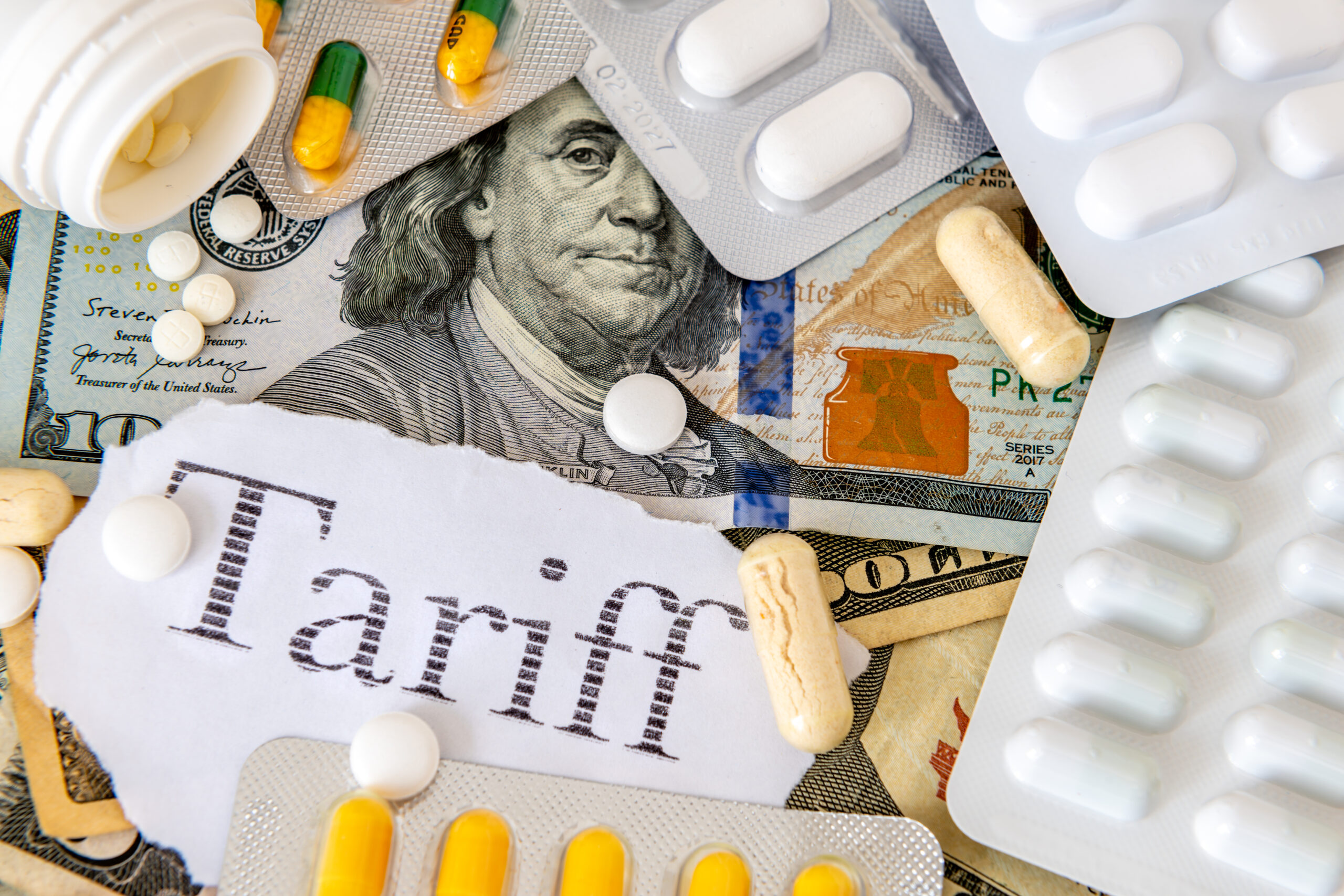
A second wave of pharmaceutical tariffs is slated for September 29, with the majority of drugmakers facing a 100% tariff on patented drugs.

By Ashley Prince | September 25, 2026
Roughly 53% of patented pharmaceutical products sold in the U.S. are made overseas. Only 15% of the active pharmaceutical ingredients in those drugs are produced domestically, according to FDA figures.
Earlier this year, the U.S. Department of Commerce used those numbers to justify a 100% tariff on patented drugs. On Tuesday, September 29, that tariff is set to expand beyond the large companies initially affected.
Tiered Rollout
President Trump signed Proclamation 11020, “Adjusting Imports of Pharmaceuticals and Pharmaceutical Ingredients Into the United States,”in April. The proclamation invoked Section 232 of the Trade Expansion Act of 1962, which is the same legislation behind steel and aluminum tariffs.
The proclamation set a 100% ad valorem duty rate on patented pharmaceuticals and associated active pharmaceutical ingredients. The tariff went into effect for a list of large, patent-holding drugmakers on July 31. All other drugmakers will begin seeing the impact next week.
The proclamation does include limited carve-outs that allow specific drugs to be imported without the tariff. Drugs eligible for a carve-out include nuclear medicines, plasma-derived treatments, fertility drugs, animal health products, and other specialty therapies.
Exceptions to the Rule
Beyond the short list of speciality drugs eligible for waived tariffs, the proclamation lays out several ways companies can see the rate come down.
Rate reduction options include:
- 20% tariff until 2030 for companies with an approved plan to onshore production
- 15% tariff for products from Japan, the European Union, South Korea, Switzerland, and Liechtenstein under existing trade commitments
- 10% tariff for the United Kingdom, pending a separate pricing agreement reached in December 2025
- Zero tariff until 2019 for companies that pair an onshoring plan with a Most-Favored-Nation pricing agreement with the Department of Health and Human Services
Latest Guidance
The Bureau of Industry and Security published implementation guidance on September 23, just six days before the second deadline takes effect.
The notice defined exactly which “specialty” products qualify for a carve-out. In order to sidestep the tariff, however, those products also have to come from one of 19 jurisdictions: Argentina, Bangladesh, Cambodia, Ecuador, El Salvador, the European Union, Guatemala, India, Indonesia, Japan, Jordan, Malaysia, North Macedonia, South Korea, Switzerland and Liechtenstein, Taiwan, Thailand, the United Kingdom, or Vietnam.
Qualified products coming from outside those regions must clear a separate “urgent U.S. health need” review in order to qualify for a carve-out. That review process is new as of the notice.
Submissions are accepted on a rolling basis, but companies with products that don’t clear the jurisdiction list have almost no runway to get a favorable determination before Tuesday’s deadline hits.
Action Steps This Week
- Confirm whether imported products fall under the patented pharmaceutical definition and whether any of them qualify as for a tariff reduction
- For specialty products, check the country of origin jurisdiction list before assuming the zero rate applies
- Absent an approved onshoring plan, MFN agreement, or urgent health need determination, assume the 100% rate applies to covered goods entered for consumption on or after September 29