
After 50 Years, Iraq Is Back in the Container Shipping Business
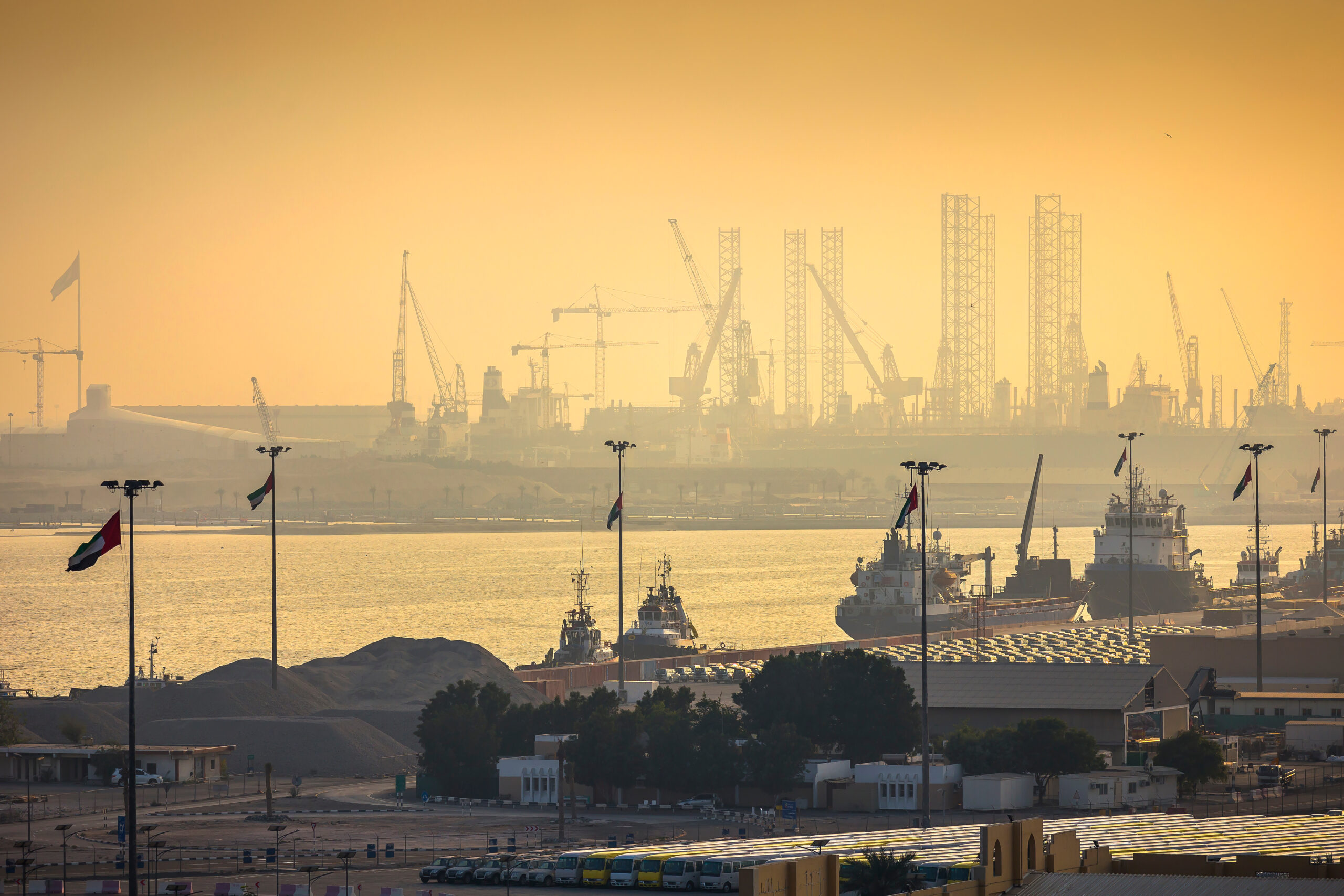

Recent diplomatic initiatives by the Trump administration, including those led by Secretary of State Marco Rubio, have helped Iraq restart its maritime shipping sector. After a half-century hiatus, Iraq’s state-owned national carrier, Iraqi Maritime Line, has officially resumed scheduled container shipping operations in the Arabian Gulf. The carrier’s maiden feeder loop links Jebel Ali Port (UAE) directly to Umm Qasr Port in southern Iraq, operating under direct mandate from Transport Minister Wahab Al-Hassani.
It is part of a broader push by Baghdad to rebuild state shipping assets and reassert a sovereign national maritime footprint in regional trade routes.
Seeking workarounds given the ongoing security disruptions and elevated geopolitical risks in the Strait of Hormuz, the liner service is designed to complement existing land-bridge and overland freight routes, providing a vital direct maritime pipeline into Iraq. While modest in vessel scale compared to global megacarriers, the return of a dedicated national carrier after 50 years underscores how regional supply chain realignments are driving state operators back onto regional trade lanes.
Overland freight routes have carried heavy traffic in recent months, and the return of a direct maritime service offers importers much-needed scheduled container capacity. For an operator off the liner radar since the 1970s, it’s a notable comeback in a rapidly shifting regional landscape.
U.S. engagement with Iraqi leaders, including Secretary of State Marco Rubio’s push on dollar flows, added a key component to this important development, not only for Iraq but for the region: money.
The talks addressed economic and banking reforms in Iraq. Following past restrictions on several Iraqi banks to curb money laundering and illicit U.S. dollar transfers, U.S. officials signaled support for Baghdad’s ongoing financial reforms. The U.S. underscored its backing for measures aimed at strengthening formal state institutions, protecting Iraq’s sovereignty, and facilitating legitimate trade and economic development.
A state-owned liner company cannot run a container fleet without access to dollar-based trade finance, international maritime insurance, and seamless port clearing. Commercial shipping is fundamentally priced and settled in U.S. dollars, from vessel chartering and port fees in Jebel Ali to marine fuel (bunkering) and cargo insurance. Without these financial pipelines, running a scheduled liner service between Iraq and the UAE would hit immediate banking roadblocks.
Under Treasury Secretary Scott Bessent, the U.S. has begun easing restrictions on compliant Iraqi financial institutions, including exchange companies cleared this month. That is a step toward allowing Iraqi state enterprises and logistics operators to process dollar-based cross-border payments through formal, international channels. Full dollar access remains a work in progress. Other actions by the Administration in cooperation with Iraqi leadership are helping de-risk the area of operations.
This is doubly important as liners operating in the Arabian Gulf face steep war-risk insurance premiums due to security threats near the Strait of Hormuz and regional proxy activities. The state-backed feeder shuttle connecting Jebel Ali to Umm Qasr serves as the ocean leg of this vision.
Restoring sovereign shipping capabilities gives Iraq greater control over its import/export logistics rather than relying entirely on foreign carriers or costly overland rerouting. Combine this with the pipelines being developed to circumvent the Strait, and Iraq looks to be on a road to economic recovery. Shippers will soon have more choices in the region.