
Chemical Logistics: Solving the Equation
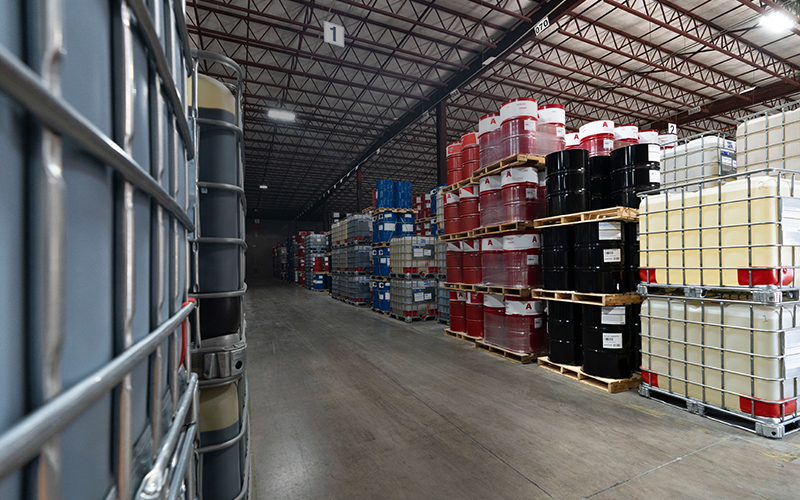
As complexity multiplies and challenges compound, these providers are formulating solutions to move chemical products across a range of modes—safely, securely, and reliably.
Even as the global chemical logistics market expands—it is forecast to grow to $324 billion by 2030 from $245.2 billion in 2024, according to Research and Markets—the sector is also navigating multiple challenges. “The market is more complex and there’s no end in sight,” says David Yanik, vice president with KAG Logistics, a subsidiary of Kenan Advantage Group, Inc. For the foreseeable future, it’s likely to be a disruptive market, he notes.
For instance, disruptions hindering transit through major waterways like the Suez Canal and Strait of Hormuz are forcing chemical companies to consider alternative ways to source raw materials. Some are locating facilities within the North American market to mitigate some of the impact of the disruptions, Yanik says.
In addition, many ocean carriers have imposed new surcharges that some chemical distributors see as lacking transparency or appearing disconnected from actual operating conditions, says Eric R. Byer, president and chief executive officer, Alliance for Chemical Distribution. Shipping delays can extend beyond a week, while some chemical companies report ongoing shortages of key chemical products, Byer says. Unpredictable transportation costs, combined with unreliable service, can mean delayed production schedules and higher overall supply chain costs.
The continued overcapacity of chemicals is also straining the market, says Jennifer Braun, vice president of the Kansas City office of Trinity Logistics. Aggressive production in Asia has outpaced global demand and lowered chemical manufacturers’ profitability, she says.
That’s prompting chemical companies to look for ways to cut costs. They’re asking logistics providers for creative solutions and technology tools that can optimize routes and loads, boost transportation efficiency, and identify other ways to decrease costs, Braun says. For example, multimodal transport can help counter rising fuel costs and capacity issues, so many chemical logistics providers are providing solutions that encompass multiple modes, she says.
A growing number of chemical companies also are redesigning their distribution and shipping networks to implement regionalization strategies, says Jesse Jones, vice president of operations at Warehouse Specialists, LLC (WSI).
They’re repositioning inventory and/or renegotiating transportation lanes to be both more sustainable and efficient. Some are considering locations that are not just less expensive, but also let them move products more quickly to end users. “It’s a big undertaking but we’re seeing these shifts more and more,” he adds.
The tight labor market presents another ongoing challenge. The physically demanding nature of many positions in chemical logistics can cut into the number of potential candidates. For example, workers might be wearing rubber suits as they offload heavy products. “If it’s July in Louisiana, that’s not exactly a fun job,” says Robert Boyle, division president, managed services, with Odyssey Logistics.
The heightened criteria for commercial drivers is also impacting capacity, Yanik says. In May 2025, the U.S. Department of Transportation announced new guidelines to strengthen English language enforcement for commercial truck operators. This is one reason segments of some chemical shipments are moving to rail, he adds.
Cybersecurity Concerns Add Up
Cybersecurity is an emerging concern. In the United States, hundreds of millions of dollars of chemical shipments have been lost to criminals, says Jeff Krajacic, a logistics and supply chain expert in the industrials practice of consulting firm SSA & Co. Often, the criminals infiltrate the systems intended to match shippers and logistics providers, falsely portraying themselves as logistics providers. They’ll then take off with the load, perhaps to sell it themselves.
Artificial intelligence has “turbocharged” fraud concerns, Byer says. Bad actors are more sophisticated, and because the chemical distribution industry plays an important role in delivering essential products, it is a frequent target. ACD’s Responsible Distribution™ program outlines best practices to ensure members are upholding the highest safety and security standards.
Building Resilience and Forming Partnerships
To address these challenges, chemical logistics providers are optimizing resilience, as well as cost. “Cost remains very much part of the chemical logistics equation,” Boyle says. Now, however, reliability is also in the calculation. For example, some chemical companies are adjusting their sources of supply to build in redundancy and mitigate the potential impact of supply chain disruptions.
While the chemical logistics industry had a reputation for being slow to adapt or adopt new technology, that’s changing, Boyle says.
Technology, including the incorporation of AI, offers compelling opportunities for chemical companies, Braun says. For example, some are using AI to forecast demand more accurately and reduce unnecessary inventory. AI can also make strategic routing recommendations that can help companies avoid disruptions and closures, improving delivery times and lowering fuel consumption, she adds.
Another change is the continued shift from a transactional approach to a focus on partnerships between chemical companies and their logistics providers, Jones says. Many chemical firms look to their logistics providers to provide regulations, sustainability, and operational resilience expertise.
One reason is heightened scrutiny around compliance and risk management. Many federal, state, and local regulatory officials have increased the frequencies of their audits. In addition, many chemical companies are committed to secure operations, product stewardship, and regulatory compliance, and are placing a greater emphasis on being audit-ready, Jones says.
Transportation providers can also be impacted. For instance, California’s Warehouse Actions and Investments to Reduce Emissions (WAIRE) Program includes compliance and reporting requirements for warehouse owners and operators, as well as transportation providers. “You have to be disciplined and ensure you’re keeping records and are audit-ready,” Jones says. Most importantly, logistics providers need to continually monitor regulations for changes.
While the challenges confronting the overall chemical sector are real, chemical companies are tackling them. Many are evaluating their networks and distribution nodes to assess the viability of suppliers, the presence of likely back-up options, and their own ability to execute on these options, if necessary.
“There’s real value in spending time to gain an understanding of your network and risk profile, and how you can mitigate the risks,” Boyle says.
Many chemical manufacturers and distributors also are searching for logistics providers that can offer a range of transportation options. “They’re looking to condense their vendor base to providers that can handle multiple modes and move shipments from start to finish, with a core competency in chemicals,” Yanik says.
The providers highlighted here bring deep experience in moving chemical products across a range of modes, safely, securely and reliably.
KAG Logistics: Combining Experience, Proven Processes, and Tech

KAG Logistics brings expertise in chemical logistics across all modes of transportation. Each year, the KAG Logistics team moves more than 10 billion gallons of liquid bulk chemicals.
As manufacturers and distributors in the chemical sector face a growing range of supply chain disruptions and challenges, many have begun looking for logistics providers that can provide value-added services and multimodal transportation options, Yanik says. KAG Logistics brings expertise in chemical logistics across all modes of transportation. Each year, KAG Logistics moves more than 10 billion gallons of liquid bulk chemicals across over-the-road, rail, specialized, and other transportation modes, he says.
The experts at KAG Logistics understand the challenges chemical companies face and are committed to meeting them with solutions that exceed expectations. In addition to traditional transportation solutions, KAG Logistics offers rail management, transloading services, cross-border solutions, expedite services, and supply chain design, among other value-add services.
KAG Logistics offers comprehensive logistics services for the chemical sector and operates 24/7 and 365 days a year, Yanik says. Its dedicated carrier management team is in tune with current market trends and excels at overseeing its rigorous carrier vetting process and ensuring the compliance of its partner carrier network. KAG Logistics can provide a vast transloading network, as well as ground expedite shipments, cross-border services, inventory management and optimization, and procurement services, all geared to chemical companies. “Not many can match our level of expertise in the chemical logistics space,” Yanik says.
To ensure information flows seamlessly, KAG Logistics’ technology suite can integrate with its clients’ systems. Technology solutions include systems for transportation management, inventory management, and business intelligence. Clients can track shipments in real-time, take advantage of document management services, and track financial data and trends. Freight audit and payment services utilize automation to review invoices and streamline settlements, which helps clients accelerate cash flow and optimize working capital.
Helping a Company with a Growing Customer Base
A leading company in the chemical industry found that its small logistics team and manual processes were unable to support an expanding customer base. Among other challenges, visibility and tracking capabilities were weak, and a limited carrier base hindered efforts to consistently secure transportation capacity.
KAG Logistics implemented a comprehensive managed services solution that included an expanded carrier base, enhanced visibility and tracking capabilities, streamlined communication, and automated processes. Inefficiencies due to manual processes were eliminated, and the client’s service levels significantly improved. The company was able to capture greater market share, while cutting its freight expense by double digits.
Today’s chemical market is continually changing, as well as complex and unforgiving. “Assuming that everything will return to what used to be normal isn’t a sustainable strategy,” Yanik says. Instead of being content with the status quo, organizations need to continually assess and improve their freight networks to stay ahead of the market. Otherwise, they risk being left behind, he says.
“At KAG Logistics, safety is ingrained in every decision we make as we deliver chemical logistics services with visibility, nimbleness, and flexibility across multiple modes,” he adds. “By partnering with KAG Logistics, companies can outsource their complex supply chain tasks. Entrusting us with your logistics allows your organization to reclaim valuable time and resources, ensuring your team remains fully focused on driving core business growth.”
Odyssey: Transforming Complexity Into Opportunity
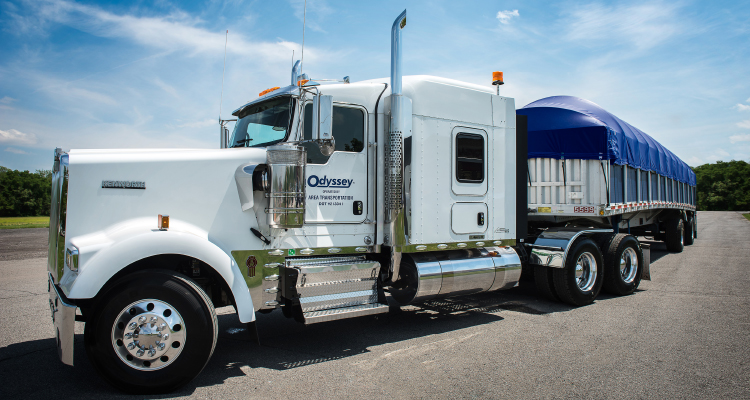
Odyssey Logistics transports chemicals in all modes, across North America and Europe and in Asia, developing efficient solutions for customers.
The chemical industry has long been defined by both opportunity and complex challenges. Odyssey’s expertise in chemical logistics enables it to partner with its clients to address the challenges and capture opportunities.
Some challenges, such as stringent regulations and capacity constraints, have long impacted the industry. Now, chemical companies also manage supply chain disruptions and unpredictability, Boyle says. This is prompting an uptick in requests for specialized chemical warehousing solutions, which require specific expertise and equipment, as well as an in-depth knowledge of regulations. “It’s a high barrier to entry,” Boyle says.
It’s one that Odyssey has positioned itself to exceed. “We handle chemicals in all modes, across North America and Europe and in Asia,” he says. Boyle and his team are equipped to develop efficient, innovative solutions for Odyssey’s customers. For instance, they might forward deploy ISO tanks near a customer’s location, so products move quickly and safely to end customers.
Odyssey is certified through the American Chemistry Council as a Responsible Care® partner company. It also belongs to the European Chemical Industry Council (CEFIC). Of the hazardous materials Odyssey has shipped via rail, 99.99% have arrived without incident. All these reflect the company’s commitment to safe logistics practices.
As chemical distribution continues to evolve, Odyssey can leverage its control-tower approach to offer shippers a layered, dynamic view of their networks, so they can make informed decisions that can cut costs and drive customer service. For instance, with this data, a shipper can assess whether changing the ports through which it’s importing would offer a service or cost advantage.
“This insight can be a differentiator for chemical shippers,” Boyle says. Many must operate with consistency and reliability to counteract ongoing turbulence in the broader business environment. Yet most also face cost pressures, given that growth in the industry remains steady but not stratospheric.
Consolidating Logistics Operations
Odyssey worked with a specialty chemical manufacturer that had two manufacturing plants and was managing logistics at each one separately. Visibility into costs and service was limited due to the use of multiple transportation providers and inconsistent carrier standards. Odyssey consolidated logistics across both plants and connected directly into the company’s order management system. This brought tracking, bill-of-lading management, and shipment inquiries under a single workflow, slashing the need for email communications.
When volume at one plant doubled overnight because of a shortage of tin stabilizer, Odyssey quickly scaled its services to cover the increased demand with no disruption to customer delivery windows and no dropped loads. The manufacturer also gained greater transparency into freight costs, and the ability to scale to meet unpredictable demand spikes—a key capability, as the company’s customers carry no inventory buffer.
“Whatever the solution needed by our customers in the chemical space, we can provide it,” Boyle says. “We focus on this sector and welcome conversations from chemical shippers who are saying, ‘I have to take out cost and boost service, and I don’t know where to start.’ We have the tools to address these challenges.”
Trinity Logistics: Delivering Creative Logistics Solutions
Many chemical logistics providers are meeting the challenges of the current environment by incorporating AI, predictive analytics, and real-time visibility within their solutions, Braun says. These tools enable them to leverage data and proactively manage their clients’ shipments so they can cut costs, including those incurred by expediting shipments or holding excess inventory. Logistics providers are also broadening the scope of their offerings to include multiple transportation modes and achieving certifications in sustainability and compliance programs.
Trinity Logistics, which can call on 47 years of experience, is among those providers. Among other capabilities, Trinity offers a full-service managed transportation solution, as well as a TMS platform. These are backed by Trinity’s team of experienced chemical logistics professionals and provide enhanced supply chain visibility and control, as well as automation. They also cut manual tasks, reduce risks, and help clients better manage their transportation expense.
Trinity offers a full suite of transportation solutions across less-than-truckload, drayage, full truckload, expedited, and intermodal. Together, these capabilities can offer chemical companies a significant competitive advantage, Braun says.
Trinity Logistics has been recognized as a Top Freight Brokerage by Transport Topics, and a Top Company for Women in Transportation by the Women in Trucking Association. It is certified as a Responsible Care organization and earned a gold rating from EcoVadis.
Many of Trinity’s Managed Transportation customers come from the chemical industry. They value Trinity’s deep experience and freight management capabilities, as well as the ability of its technology to both capture data and provide actionable insights.
Trinity has access to hazmat companies and drivers, tanker-endorsed drivers, and TWIC (Transportation Worker Identification Credential) drivers. Its drayage program services more than 20 major container ports in the United States. Trinity is equipped to handle imports, exports, transloads, and ISO containers, as well as over-the-road shipments.
Positioning a Client for Profitability
One Trinity client, an international leader in post-patent crop protection products, was struggling with errors and wasted time that resulted from numerous manual data entry processes. Company management was searching for a TMS that would reduce manual processes and duplicate work, and that would integrate seamlessly with Trinity’s ERP. The solution also needed to offer robust analytics and reporting that could assist with managing change and freight spending.
Trinity’s integrated logistics solution and its expert freight optimization team fit the bill, providing extensive data visibility and custom reporting. In addition, an on-site freight management professional from Trinity makes coordinating shipments seamless.
The company reduced its freight spending, while boosting customer service and on-time delivery. The Trinity solution helped the company grow without adding headcount and while cutting its risk exposure. “With Trinity’s support, the company is positioned for growth, profitability, and strong performance,” Braun says.
In the disruptive times of today, a partner like Trinity Logistics can offer a chemical company a differentiating competitive advantage. Trinity’s Managed Transportation solution provides visibility and data-driven actionable insights that enable its clients to make informed strategic decisions. “Our solutions can transform the supply chain into a proactive secret weapon, so it exceeds customers’ expectations while overall spend is reduced,” Braun says.
WSI: Raising the Standard in Chemical Logistics

Trinity Logistics offers a full-service managed transportation solution, as well as a TMS platform, backed by its team of experienced chemical logistics professionals.
As a leader in the chemical logistics sector, WSI can offer its clients a strong catalog of distribution and transportation management services, expertise in regulatory compliance, and specialized warehousing and packaging support, Jones says.
WSI’s certification as a Responsible Care Partner with the American Chemistry Council reflects its stringent focus on safety, regulatory compliance, operational excellence, and sustainability. WSI’s facilities offer Responsible Care certified storage and handling, as well as specialized fire-rated rooms and site-containment, temperature-controlled rooms. These allow for advanced monitoring of temperature and humidity levels.
WSI has also earned a silver rating from EcoVadis, a global platform that evaluates companies’ environmental, social, and ethical performance. This recognition places WSI among the top 15% of organizations assessed across the globe.
WSI works with a global agricultural chemical organization that had been debating whether to completely revamp its North American distribution network. Not only was the network complex, but some transportation costs were spiking.
Management wanted to reposition inventory to optimize service and product responsiveness across multiple regions. WSI evaluated the company’s warehouse positions and transportation lanes, as well as operational constraints and freight flows. It recommended a redesigned hub-and-spoke distribution strategy that more closely aligned the company’s logistics operations with its long-term business objectives.
The solution boosted truckload utilization, reduced dependency on less-than-truckload shipments, and enhanced inventory deployment. A year into the changes, transportation costs are lower and service responsiveness has improved.
Ensuring Product Integrity
WSI’s facilities, including 6 million square feet of certified chemical warehousing space in the United States, are equipped to handle temperature-sensitive chemicals, ensuring product integrity is maintained.
A comprehensive suite of logistics services, including transportation, packaging, and fulfillment, are tailored to the requirements of the chemical industry. Smart sensors and IoT solutions monitor environmental conditions throughout warehouses and can detect potential hazards in real time. Materials like corrosion-resistant alloys and advanced polymer coatings help prevent reactions and releases during transport and storage.
At all its locations, WSI is diligent in its efforts to be a responsible community member and partner, Jones says. It often hosts joint training sessions with local emergency response teams. All participants are able to become more familiar with the range of WSI’s buildings and operations. “At the end of the day, we’re all in the same community,” Jones says. “We’re willing to share our expertise with anyone.”
As the chemical industry evolves, the logistics providers most likely to succeed will combine strong operations and governance, along with continuous improvement, all within a culture that is caring, diligent, and committed to ensuring its employees give their best to one another. “We’re doing that for each other, and for our communities and our customers,” Jones says.
Consolidation Calculations
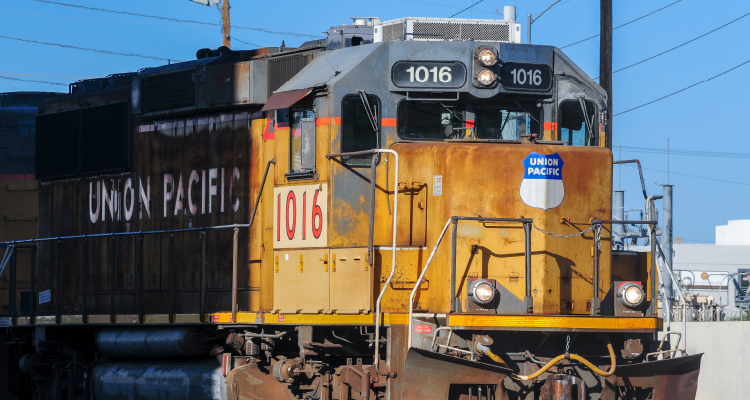
As environmental regulations expand and technology plays an even greater role in the chemical logistics equation, smaller logistics providers may struggle to keep pace. Both logistics providers and shippers are consolidating, says SSA & Co.’s Jeff Krajacic.
Consolidation among Class I rail carriers is also occurring, and prompting concerns across the shipping community, ACD’s Byer says. The proposed Union Pacific-Norfolk Southern merger would further reduce competition and increase costs at a time when supply chains are already under strain, he says, adding that ACD members need a freight rail system that is competitive, resilient, and capable of supporting long-term economic growth.