
Sanctions, Strategy, and Middle East Logistics Advances
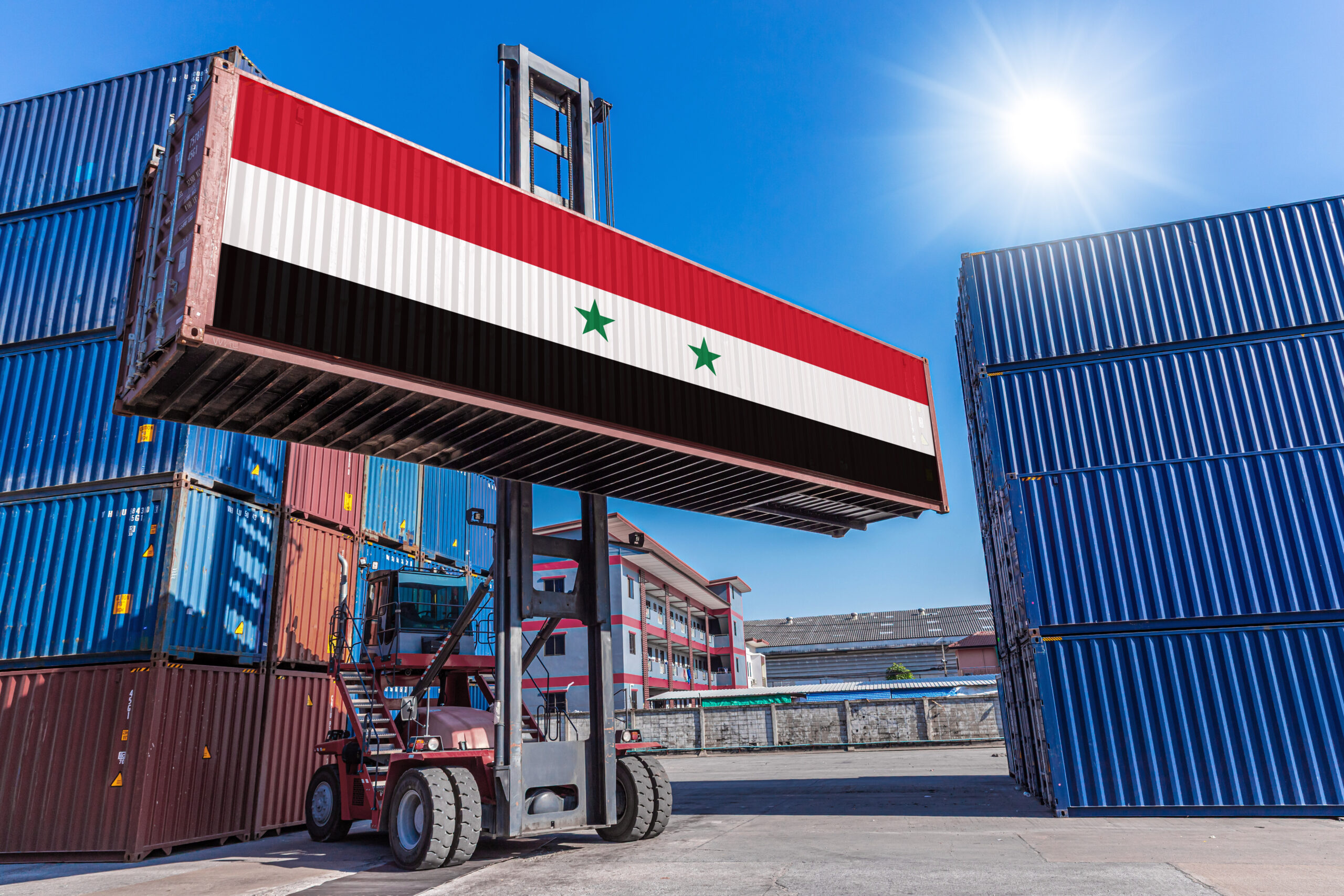

Not long ago, operating in the Levant felt like navigating a legal minefield wrapped in a geopolitical maze. Transshipments choked in Turkey or Lebanon, insurance premiums soared, and carriers and shippers viewed Middle Eastern ports with deep skepticism.
Now, Washington is redrawing the regional logistics map in real time. By pairing sanctions relief in Syria with aggressive financial policing (and optimism) in Iraq, the U.S. is applying asymmetric leverage. For supply chain leaders, the contrast is stark: a wide-open Mediterranean gateway on one side, a tightly monitored but opening inland corridor on the other.
Latakia: Syria’s Port
For years, Syria’s Port of Latakia was a sanctions-choked liability. That changed with Executive Order 14312, which lifted the broad Syria sanctions program, followed by Congress’s repeal of the Caesar Act and the formal removal of Syria’s State Sponsor of Terrorism designation. How, given Syria’s leader was once a member of al-Qaeda?
Diplomacy. President Ahmed al-Sharaa met Secretary of State Marco Rubio at the UN General Assembly on Sept. 22, 2025, urging the U.S. to lift remaining sanctions: “Just lift the sanctions and you will see the results.” Washington’s ask: regional stability, security accountability, and political transition safeguards. Al-Sharaa pledged to hold wrongdoers accountable as Syria rejoins the world.
The result? Legal hurdles for terminal operators and carriers like CMA CGM have largely evaporated. Feeder loops can call Latakia directly without sweating Treasury fines, bringing crane upgrades, lower war-risk surcharges, and direct Mediterranean calls.
Iraq’s Financial High-Wire
Look east, and the playbook is changing too. Baghdad’s $17-billion Development Road would link Grand Faw Port to Turkey and Europe. Washington likes Iraq diversifying away from Tehran, but it isn’t writing a blank check. (See my post: Iraqi Maritime Line Returns to Gulf Shipping After 50 Years https://www.inboundlogistics.
The administration enforces strict secondary sanctions on players like Iraq’s International Development Bank. The message: if you want international capital for rail and port megaprojects, your banking rails better be clean. Every transaction needs an OFAC check for Iranian ties.
Are We Making Progress?
It seems so. Two models are taking shape.
The Mediterranean Bypass: Syria is becoming a viable, direct Levantine feeder option.
The Guardrailed Inland Route: Iraq offers massive transit potential, but compliance friction will dictate the pace.
UN meetings and White House visits used to sit in the background of logistics. Today, they’re the route planner. Smart operators aren’t just checking berth depth or rail mileage; they’re reading Treasury press releases before making long-term supply chain decisions.