
IFS Softeon Launches Fulfillment Flow to Coordinate Warehouse AI
October 27, 2026 | By IL Staff

Warehouses produce enormous amounts of data, but many teams still piece it together from separate screens and static reports. IFS Softeon’s new AI capability, Fulfillment Flow, is designed to close that gap.
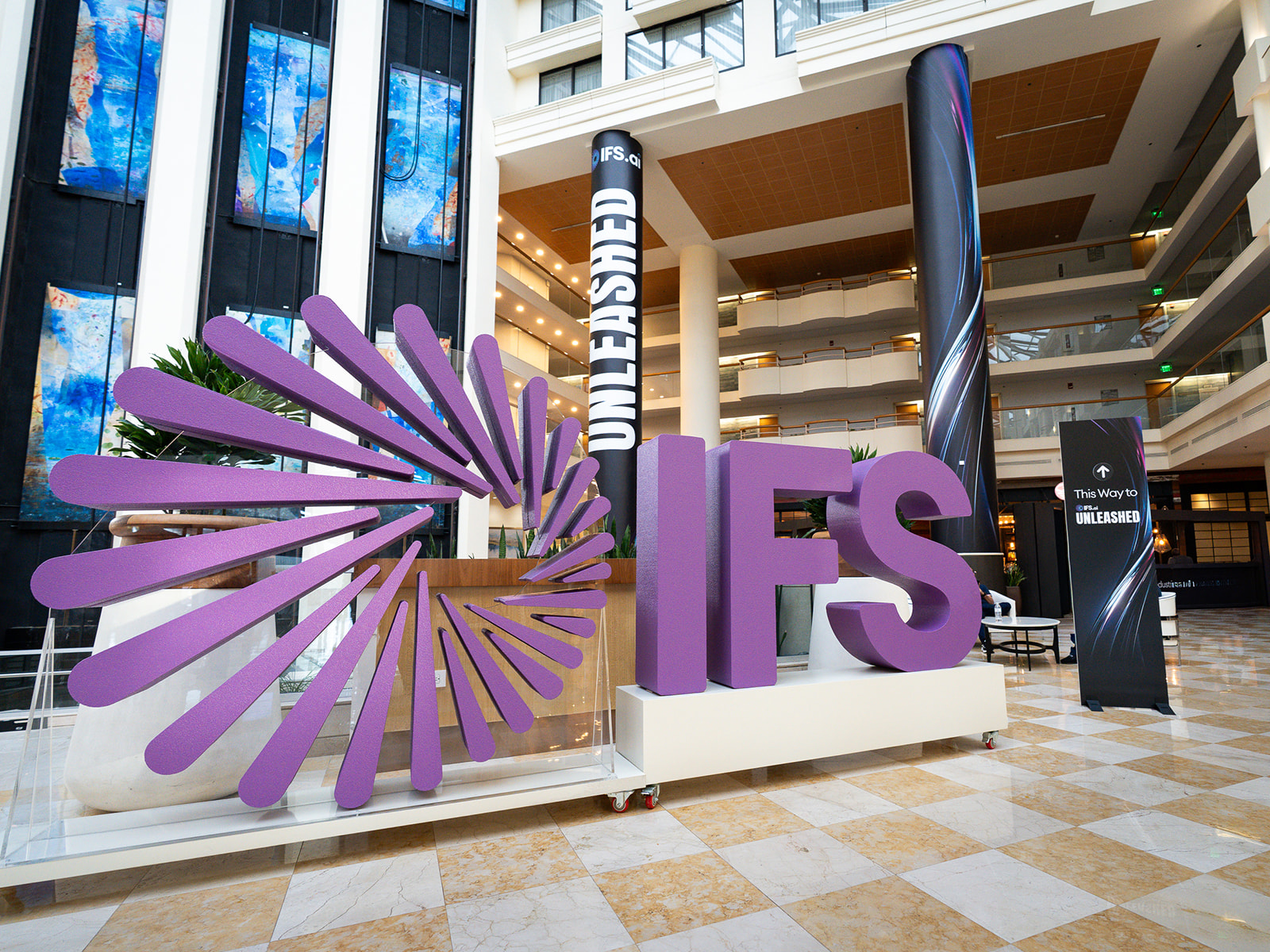
IFS Softeon announced Fulfillment Flow at IFS Unleashed earlier this month. The tool is designed to show warehouse teams what is happening in real time, then guide them toward the best next steps.
AI Has a Coordination Problem
Too often, AI optimizes one area of the warehouse at the expense of the rest, according to IFS Softeon. For example, a labor, replenishment, or wave planning decision can change downstream processes and overall throughput.
Fulfillment Flow is built around six digital workers, AI agents that each cover one area: inbound, wave management, labor, automation, slotting and replenishment, and outbound. Each runs on the same six pillars of information, covering the facility itself, live operations, adjacencies between areas, site goals such as cutoffs and service levels, available associates, and automation.
The digital workers share what they see with a central operational agent. That agent considers how a decision in one area affects the areas around it, including receiving yards and manufacturing line feeds.
IFS Softeon says users can:
- Query the system in plain language
- See all the factors driving an issue, not just the issue itself
- Receive next-best-action suggestions based on current conditions
Human Manager Retains Control
IFS Softeon compares the digital workers to experienced area supervisors who escalate observations to the central agent. The agent acts as a partner to the warehouse manager by suggesting how the operation should respond.
The human manager always sets priorities and makes the final decision. Fulfillment Flow follows those decisions and keeps learning across shifts.
IFS Softeon CTO Mark Fralick said a generic AI system might tell you orders are behind schedule, but knowing why (and what to do about it) is where the real value lives.
“A lot of AI in the warehouse space sits on top of operations, looking in from the outside. Fulfillment Flow works inside warehouse execution, so it understands the real context behind what’s happening on the floor. It doesn’t stop at telling you something is wrong. It explains why it’s happening and what to do next, and that’s the difference between AI that produces insights and AI that improves how the operation runs,” Fralick said.
Oversight Is Thin Across Industry
The framing fits a wider concern in industrial AI.
The IFS Industrial Index surveyed 2,275 executives and frontline workers at large companies in manufacturing, aerospace and defense, energy and utilities, construction and engineering, transportation, and telecom.
Of the frontline respondents, 43% said they trained and introduced agentic digital workers in the past 12 months. Only 11% validated AI outputs for safety, quality, or mission-critical processes, and just 4% have mandatory human oversight or approval requirements for AI-supported decisions.
A Futurum study cited by IFS found that 66% of enterprises plan to invest in digital workers within a year, while 5.7% trust AI to act fully on its own.

Where It Fits in the IFS Lineup
Fulfillment Flow arrived alongside two broader announcements.
IFS Intelligence lets users ask questions of live operational data across IFS and third-party systems in plain language, then act through digital workers. Actions it prepares run only after a person approves them. The Industrial AI Harness is the foundation underneath, covering permissions, approvals, and audit controls. IFS says no raw data is sent to external AI providers.
What to Expect
IFS Softeon did not release customer results, pricing, or an availability timeline for Fulfillment Flow. The claim that a single coordinating agent can weigh trade-offs across a live facility better than separate tools has not yet been tested publicly.
The system is designed to recommend, with warehouse managers making the final decisions. How often they act on those recommendations will depend on how well they hold up in daily operations.