
Brian Waite: Pump Company Freight Manager Takes a Multimodal Approach
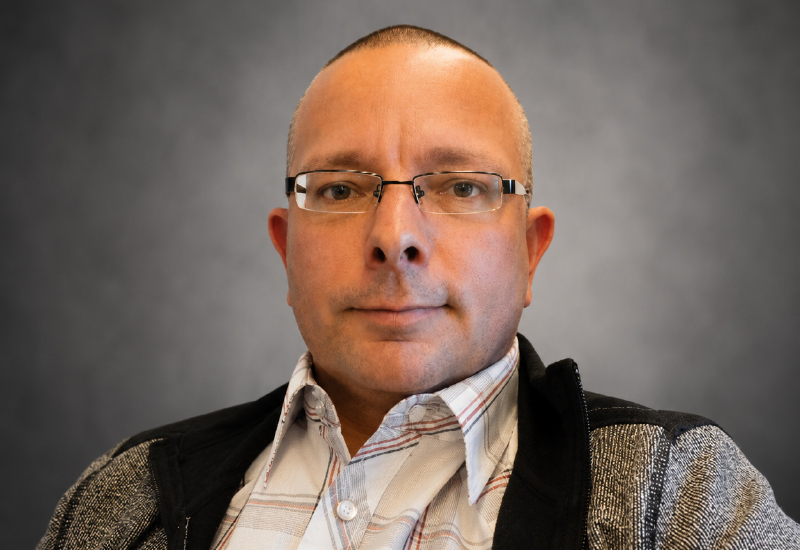
Discover how Brian Waite, Global Freight Manager at WMFTS, leverages a multimodal freight strategy—balancing ocean and air—to cut costs and keep supply moving.
As a kid, I had a keen fascination with aircraft and wanted to pursue a career at the airport, although I didn’t know exactly what that would look like. I had two short-term work roles at British Airways, which led me in the direction of a career in logistics.
After completing the International Air Transport Association training scheme, I was employed by Forwardair (in the UK). Having started in the industry as a trainee, I was keen to learn all aspects of freight forwarding.
No matter your position, you should be able to work well with people at any stage.
By moving through several forwarding departments, including air, sea, road, and rail, I gained the knowledge I needed to further develop my career. For example, I gained experience managing the financial side of the business and also recruited a business development manager to drive sales. That gave me the experience I needed to manage my own branch office, which I did at GEODIS.
Shipping Sustainably AT WMFTS
As a responsible supplier, our customers and their customers look to us to help them reduce their carbon footprint globally. Since mid-2025, one of our main focus areas has been shipping more sustainabilty and reducing our freight expenditure. A lot of stakeholders are involved, but the logistics piece of this is almost complete.
The most difficult part of this jigsaw puzzle is the planning and procurement. With air freight, we could have a shipment on the other side of the world in 24 hours. With ocean transport, we’re looking at around 30 or 40 days. The procurement and planning teams have to ensure we have enough product in stock to serve all our customers.
Additionally, we need to make sure we hold extra stock for those goods that will be sent by sea.
We’ll still have to air freight certain products. For example, if a customer has a machine breakdown, we may need to use air to ship repair parts. But we’ll first look at ocean freight.
We carried out a trial ocean shipment over the holiday period. Obviously, there was a bit of work to make this happen. Among other steps, I reviewed the global destinations with the highest airfreight volumes from each site and then analyzed cost and carbon usage data to understand the potential savings.
After presenting this data to our stakeholders, it was agreed we would convert orders from air to sea where possible. We collaborated with our planners, supply chain, and production to ensure orders placed on sea have the required lead time so they don’t cause customer delays or production issues.
I analyzed the carbon footprint of a trial shipment over the holiday period. It was around 25 tons by air freight and 0.3 tons by ocean. Following the pilot program’s strong results, we are looking to implement across our operations, depending on customer needs and supply chain lead times.
Another of my projects is gathering data about carriers, shipment volumes, and transport modes to better understand the air, ocean, and parcel carriers we use across our factories. This will provide opportunities to identify ways to change shipping modes and consolidate shipments to help reduce carbon emissions across the business.
The Importance of Being Approachable
I consider myself an open, approachable person, and that’s something I’ve tried to bring to every level of my career. No matter your position, you should be able to work well with people at any stage. That kind of accessibility is what makes teams function well, and people shouldn’t feel like they need to go through many people just to ask a question or share an idea.
I also find it important to always encourage my team members. I let them know that if they want to progress even further than what we can offer, they should follow their passion. One thing I don’t want to do is hold them back.
That mindset has helped me build stronger, more loyal teams over time, because they can tell I genuinely have their best interests at heart.
Creating an environment where people feel comfortable asking questions, sharing ideas, and challenging themselves is essential for growth. When people feel supported and trusted, they’re more likely to build confidence, take on new opportunities, and ultimately achieve more than they thought possible.
What I Do
Monitor freight spend, analyze carrier performance, and at times, consider alternative carriers to transport shipments from WMFTS’ seven manufacturing sites located across the globe.
Completing a 20-Year Passion Project
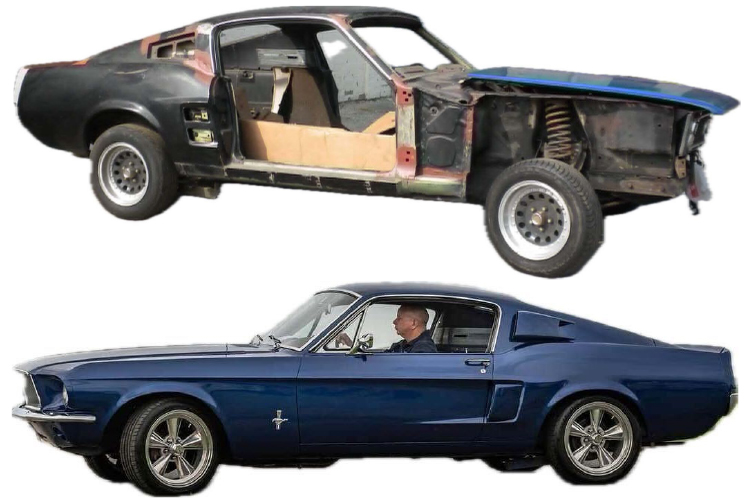
I have a fascination with American muscle cars. I spent about 20 years redoing a Ford Mustang (pictured), including traveling to Florida to collect parts. I handle a lot of the mechanics myself. It helps me unwind after a busy week.