
Big Brands Push Back: Costco, Revlon, Kawasaki and Others Sue for Tariff Refunds
By Amy Roach | December 4, 2025
A growing number of major importers that includes everyone from retailers to auto suppliers have taken the rare step of suing the U.S. government to preserve their right to reclaim tariffs paid under the controversial trade measures introduced by the Trump administration.
Lawsuits Surge as Businesses Race to Lock in Refund Rights
In recent weeks, dozens of companies have filed separate cases in the United States Court of International Trade (USCIT), arguing that without their own legal actions, even a favorable ruling for tariff opponents in the V.O.S. Selections, Inc. v. Trump case won’t guarantee them refunds — especially if their tariff entries are “liquidated” by U.S. Customs and Border Protection (CBP) before a definitive decision.
Among the latest to sue are familiar household names such as Costco, Revlon, canned-foods producer Bumble Bee Foods, motorcycle manufacturer Kawasaki Motors, eyewear and optics group EssilorLuxottica (owner of the Ray-Ban brand), and tire maker Yokohama Tire Corporation. Other companies reportedly in the litigation mix include steel and material firms like Radius Recylcing (formerly Schnitzer Steel Industries).
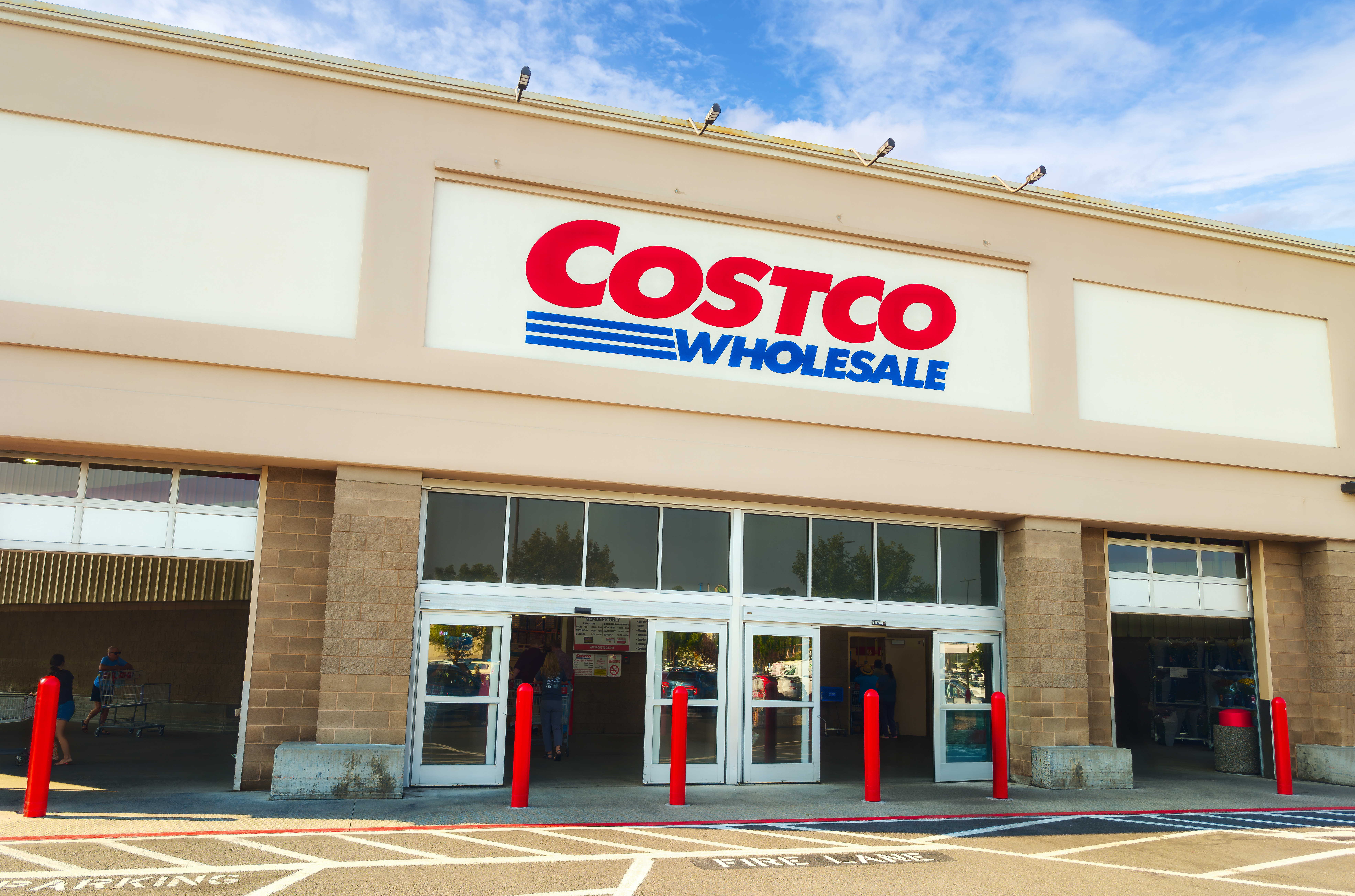
In its lawsuit filed Nov. 28, Costco called the tariffs “unlawfully collected duties,” arguing that the authority used to impose them — the International Emergency Economic Powers Act (IEEPA) — does not explicitly empower the president to enact broad import levies.
Why Companies Are Suing — and Why It Matters Now
The legal push comes as the Supreme Court of the United States prepares to rule on the constitutionality of the tariffs. Even if the court strikes down the tariff orders, companies say there’s no guarantee they’ll automatically get their money back.
Under U.S. customs law, once CBP “liquidates” an import entry — a deadline some companies expect as soon as mid-December — the duty becomes final. For many, that means potential refunds vanish unless they proactively secure a favorable court judgment before liquidation.
For large import-heavy firms like Costco, which estimated that about one-third of its U.S. sales come from imported goods, the stakes are massive.
Supply Chain Fallout: More Than Just Legal Fees
The rush to file lawsuits reflects deeper disruptions to supply chain strategy. Many of these companies rely on complex global supply chains and these goods now face two layers of uncertainty: whether tariffs will stand, and whether they’ll be refunded if they fall.
For companies that import parts for manufacturing (like automakers, appliance makers, or tire producers), the uncertainty can disrupt procurement, production scheduling, and cash flow planning. Delays or added costs can ripple through to suppliers, logistics providers, and downstream distributors.
Retailers and consumer-goods companies may face pressure on margins, inventory management headaches, and unpredictable cost swings. All of these factors add new layers of complexity to supply chain planning and risk management.
Some companies responding to this volatility have already begun altering their sourcing — consolidating suppliers, shifting to domestic production, or prioritizing in-house brands to reduce exposure.
What Comes Next — And What It Means for Industry
The pace of lawsuits suggests growing corporate frustration and a sense that the IEEPA tariffs may be too risky to ride out without legal protection. If the Supreme Court ultimately overturns the tariffs, companies with pending suits may have a path to recover billions in duties paid.
But navigating refunds will not be automatic or simple. Companies will need favorable rulings, and there may be complex back-and-forth with CBP. The volume of refund claims — potentially from dozens of major importers — could strain the customs system.
For supply chain professionals such as logistics managers, procurement officers, and trade compliance specialists, this legal uncertainty and the resulting corporate reaction may reshape strategies for years to come. Businesses could increasingly prioritize supply chain flexibility, diversification of sourcing, and reshoring manufacturing to minimize exposure to abrupt tariff swings or legal risk.