
Dead Stock: What It Is and How to Avoid It
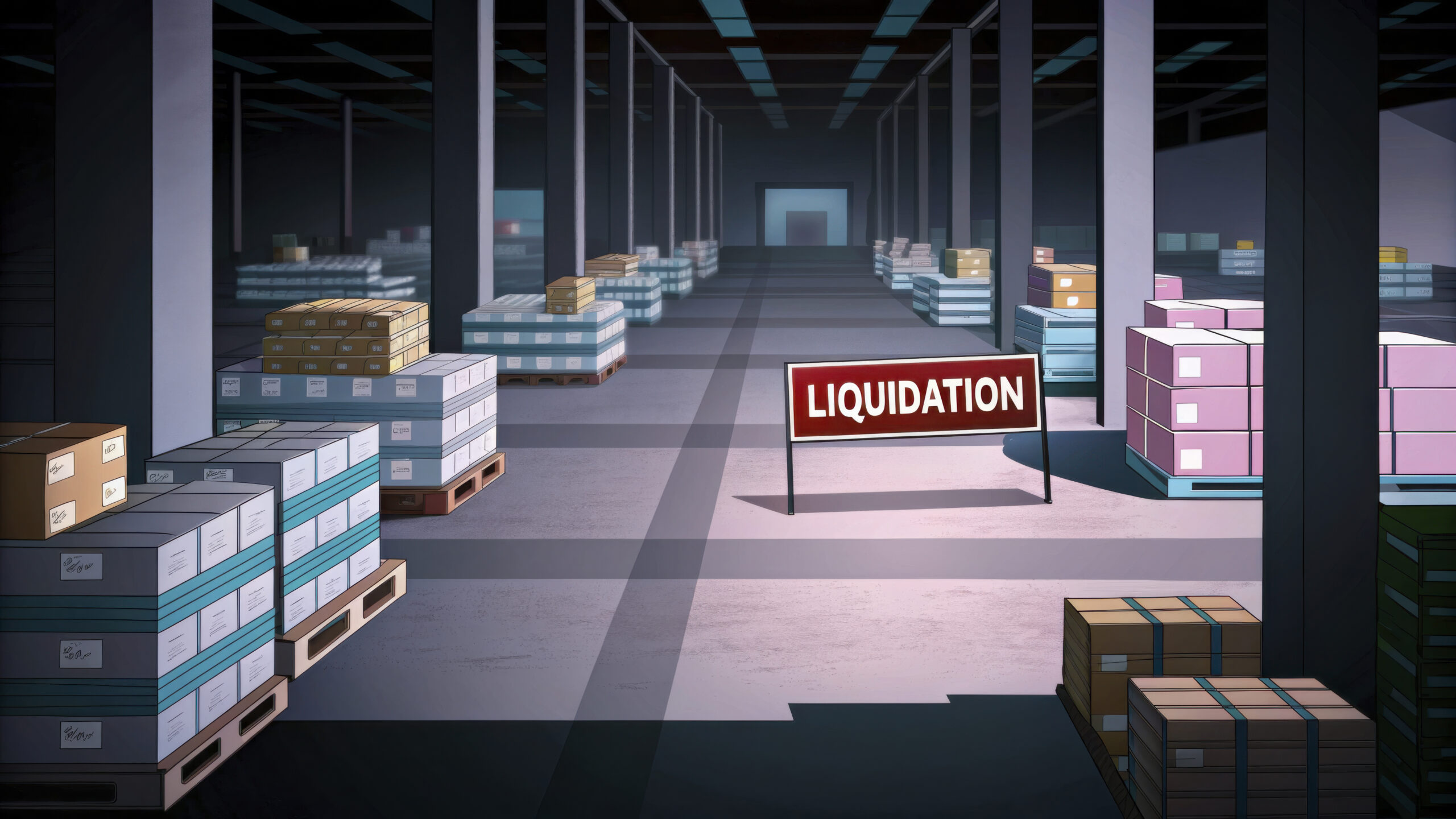
For any business that stores or sells products, dead stock is more than a minor inconvenience—it’s a silent drain on resources. Items that sit unsold for too long take up space, tie up capital, and reduce efficiency across the operation. In warehouses and backrooms around the world, shelves filled with unsold goods represent money that could have been invested elsewhere.
Understanding dead stock is essential for effective inventory management, especially for companies that rely on steady product turnover. By learning what causes it and how to prevent it, organizations can protect cash flow, improve profit margins, and keep their operations focused on profitable items rather than stagnant inventory.
This guide explains what dead stock means, why it happens, how it affects businesses, and practical strategies to prevent or eliminate it.
What Is Dead Stock?
Simply put, dead stock refers to products that have been sitting in storage for a long time and are unlikely to be sold. These items may have once been expected to perform well, but due to changing customer demand, poor forecasting, or shifting trends, they now remain unsold.
In most cases, inventory that has not sold within a given period—often six to twelve months—is considered dead stock. Businesses may also refer to these items as dead inventory, surplus inventory, or obsolete stock.
A dead stock item is typically one that:
-
Has extremely poor sales
-
Is no longer aligned with customer needs
-
Has been replaced by newer products
-
Has lost relevance due to changing trends
The result is dead stock inventory that occupies warehouse shelves without contributing to revenue. When businesses accumulate dead stock, the financial consequences grow quickly.
Why Dead Stock Is a Problem
Some companies underestimate how damaging dead stock can be. While a few unsold items may not seem like a major issue, large quantities of unsold stock create serious operational and financial challenges.
1. It Ties Up Cash
Every product sitting unsold represents an initial investment that hasn’t been recovered. Businesses already spent money acquiring or producing the goods, and until they sell, that capital remains locked up.
This strain on cash flow can make it harder to purchase more stock, invest in marketing, or expand operations.
2. It Consumes Valuable Storage
Dead products occupy warehouse space that could be used for faster-moving inventory. When slow items pile up, they consume valuable warehouse space that should be reserved for profitable goods.
The problem grows when dead stock takes over areas meant for high-demand products, making it harder to keep the warehouse organized.
3. It Increases Carrying Costs
Inventory isn’t free to store. Businesses must pay carrying costs, including insurance, security, handling, and utilities. Over time, these storage costs increase the overall cost of unsold goods.
If companies continue accumulating dead stock, the carrying costs may eventually exceed the potential revenue those products could generate.
4. It Hurts Profit Margins
Unsold goods force businesses to discount heavily or write off inventory entirely. When products must be sold at a lower price or discounted price, profit margins shrink significantly.
In extreme cases, money lost on dead inventory can erase profits from successful products.
5. Opportunity Cost
Another hidden expense is opportunity cost. The opportunity cost dead stock represents is the lost chance to invest in better products or marketing initiatives.
For example, money tied up in unsold inventory could have been used to purchase items with higher customer demand. This opportunity cost reduces the overall performance of the business.

Common Causes of Dead Stock
Understanding why companies accumulate dead stock is the first step toward preventing it. Several operational issues contribute to the problem.
Poor Demand Forecasting
One of the most common causes is inaccurate demand forecasting. When companies misjudge how much inventory customers will buy, they often order far too much stock.
This leads to excess stock that eventually becomes dead stock inventory.
Overordering
Businesses sometimes purchase excess inventory to secure supplier discounts or meet minimum order quantities. While bulk purchases may seem economical, they can easily result in excess stock that cannot be sold.
Retailers must carefully balance supplier deals against realistic sales projections.
Changing Trends
Products that were once popular can quickly lose relevance. This is especially common with seasonal items, fashion goods, or technology products.
If demand fades after a season ends, those items may quickly become obsolete stock.
Poor Sales Performance
Another reason businesses accumulate dead stock is poor sales. Sometimes products simply fail to resonate with customers.
Weak marketing efforts, limited visibility in the online store, or poorly targeted promotions can prevent products from reaching the right customer base.
Product Quality Issues
Products that fail quality standards or have defects may sit unsold for months. Weak quality control processes can result in unsellable items piling up on warehouse shelves.
Negative customer feedback about product durability or performance can also stall selling products.
Overly Complex Product Lines
Some retail businesses offer too many variations of the same item. Complex product offerings often lead to slow moving products that eventually become dead stock.
How Dead Stock Affects Inventory Management
Effective inventory management requires constant monitoring of inventory levels and product performance. When companies fail to manage inventory properly, unsold goods quickly pile up.
Large quantities of dead stock inventory disrupt normal inventory management processes by:
-
Filling warehouse space
-
Increasing carrying costs
-
Distorting reorder planning
-
Reducing cash flow
For a growing retail business, these issues can become major operational barriers.
This is why strong inventory management practices are essential to prevent dead stock from accumulating.
How to Avoid Dead Stock
Preventing dead stock requires proactive planning and smarter inventory strategies. Companies that successfully avoid dead stock usually follow several key practices.
1. Improve Demand Forecasting
Accurate demand forecasting is critical for preventing excess inventory. By analyzing past sales, seasonal patterns, and market trends, businesses can better predict customer demand.
When forecasting improves, companies can determine how much inventory they truly need.
2. Use Inventory Management Software
Modern inventory management software helps track product performance in real time. Businesses can quickly identify slow moving products before they become dead stock.
Many tools also automate reorder point calculations and monitor inventory levels.
With strong inventory management software, businesses can make informed decisions about when to reorder and when to stop purchasing certain items.
3. Monitor Product Performance
Regular analysis of sales data helps identify slow moving stock early. Businesses should routinely evaluate which items are selling products successfully and which are not.
If sales decline, companies can adjust pricing or promotions before items become dead stock.
4. Order Smaller Quantities
Buying in small batches reduces the risk of overstocking. Instead of purchasing large quantities upfront, businesses can reorder more frequently.
This approach limits the chance of accumulating dead stock while maintaining healthy inventory management practices.
5. Focus on Customer Feedback
Listening to customer feedback can reveal why certain products are not performing well. Businesses can adjust product specifications, improve packaging requirements, or remove unpopular items.
Aligning products with customer needs helps companies avoid dead stock in the future.

Strategies to Get Rid of Dead Stock
Even the best inventory management systems cannot prevent every unsold item. When inventory stops moving, businesses must act quickly to rid of dead stock.
Here are several effective strategies.
1. Run Clearance Sales
A clearance sale is one of the fastest ways to sell dead stock. Deep discounts encourage customers to purchase items that may have been overlooked.
These promotions can also free up warehouse space for profitable items.
2. Offer Product Bundles
Businesses can bundle products by pairing slow items with popular ones. For example, a co branded product bundle can combine a high-demand product with a slow-moving one.
These product bundles often improve the chances of selling products that would otherwise remain unsold.
3. Offer Free Gifts
Another effective tactic is offering unsold goods as a free gift with purchase. Customers appreciate added value, and the free gift strategy helps companies get rid of dead inventory without heavy discounting.
Retailers sometimes include a free gift with certain purchases to move older stock.
4. Sell Through Online Marketplaces
If items fail to sell in an online store, businesses can list them on online marketplaces. These platforms reach a broader audience and increase the likelihood of selling dead stock.
Products may need to be sold at a discounted price, but recovering some revenue is better than writing off the entire investment.
5. Donate Unsold Inventory
In some cases, donating dead stock to charitable organizations may be beneficial. Donating dead stock can generate tax deductions while clearing storage space.
It can also create goodwill and leave a good impression within the community.
Creative Ways to Shift Dead Stock
Sometimes businesses must think creatively to shift dead stock.
Repackage Products
Changing branding, packaging, or presentation can make older items more appealing. Updated packaging can make products feel new again.
Introduce Limited Promotions
Limited-time offers or seasonal campaigns can revive interest in stagnant items.
Add Value Through Bundles
Retailers can bundle products to increase perceived value. Pairing items with complementary goods encourages customers to purchase them together.
Use Marketing Campaigns
Targeted marketing efforts can bring attention to overlooked items in an online store.
Eliminating Dead Stock Long Term
Ultimately, eliminating dead stock requires ongoing improvements to inventory management practices.
Companies that successfully avoid dead stock usually focus on:
-
Accurate demand forecasting
-
Data-driven purchasing
-
Clear product lifecycle management
-
Strong inventory management software
These strategies allow businesses to maintain healthier inventory levels and minimize the risk of unsold goods.
When organizations actively track inventory performance, they can avoid dead stock and ensure that stock moves efficiently through the warehouse.
Final Thoughts
Every business that sells physical goods will occasionally face dead stock. However, when unsold items begin to pile up, the consequences can be severe.
Dead inventory occupies warehouse space, increases carrying costs, and reduces profit margins. It also locks up capital and creates a significant opportunity cost that prevents businesses from investing in better opportunities.
The good news is that most dead stock inventory problems can be prevented through strong inventory management, better forecasting, and careful purchasing decisions.
By using modern inventory management software, analyzing customer demand, and responding quickly to slow moving products, businesses can avoid dead stock and keep their operations efficient.
When problems do arise, strategies like clearance sales, selling dead stock through online marketplaces, offering free gift promotions, or donating dead stock can help companies get rid of dead inventory quickly.
Ultimately, successful companies treat inventory management as a strategic discipline. By controlling stock, managing demand, and keeping warehouses focused on profitable items, businesses can reduce dead stock and build stronger, more resilient operations.