
FAA Ground Stop Proves Near Miss for Thanksgiving Food, Black Friday Retail
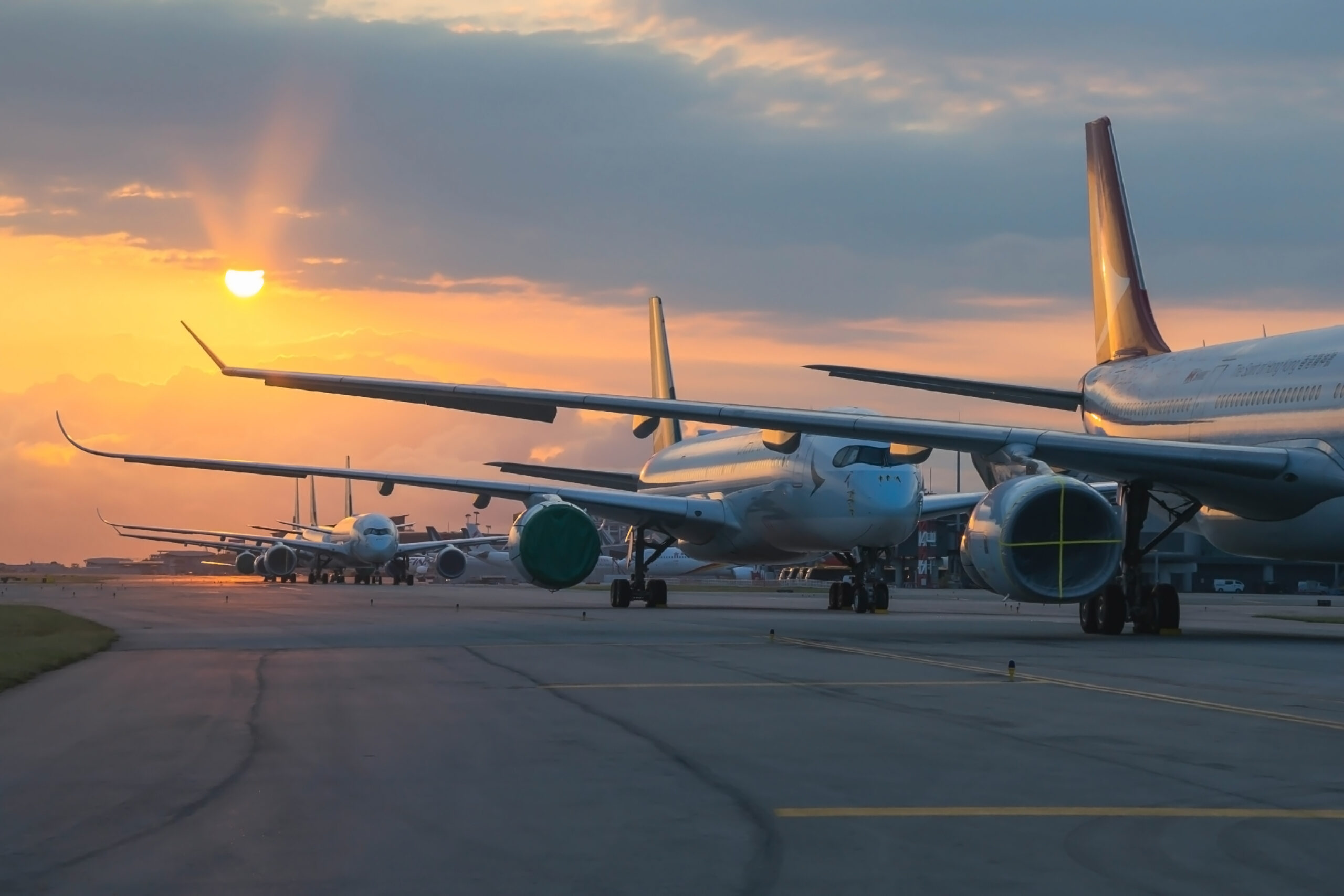
Experts from Cleo and Coupa explain which holiday freight was most exposed during FAA ground stop and how companies can respond to the next disruption.

By Ashley Prince | November 19, 2026
TL;DR
What happened? On Nov. 13, 2026, the FAA halted flights nationwide from about 3:30 p.m. to 8:15 p.m. ET after a data flood destabilized its telecommunications network, affecting 17 of its 22 Air Route Traffic Control Centers. The FAA says there is no indication of a cyberattack.
Will it affect Thanksgiving food? Very little. Most holiday staples, including turkey, dairy, potatoes, and cranberries, move by refrigerated truck and rail. The most exposed products are fresh seafood, imported berries, herbs, and specialty produce.
Will it affect Black Friday? Some products may arrive later than planned. The biggest risks are high-demand electronics and popular toys with limited substitutes, especially items advertised for Black Friday promotions.
What should shippers do after an air disruption? Call carriers right away, prioritize loads by shelf life or delivery deadline, and warn receivers before dock appointments are missed.
When does expediting make sense? Only when the profit on the additional units exceeds the freight premium.
What should change before the December peak? Connect carrier status feeds, shipment notices, and dock appointments so a flight delay automatically shows which orders are at risk.
Last week’s five-hour FAA ground stop landed less than two weeks before Thanksgiving and Black Friday. While most holiday freight kept moving via truck or train, the disruption exposed how quickly a short delay can turn into a missed delivery for shipments that depend on air cargo.
The FAA issued a nationwide ground stop at about 3:30 p.m. ET on Nov. 13. The organization said its legacy equipment became unstable when data flooded its telecommunications network, affecting 17 of the agency’s 22 Air Route Traffic Control Centers and spreading to several terminal radar approach facilities. Air traffic resumed at 8:15 p.m. ET.
Operators canceled about 12,462 flights on the day of the ground stop, according to the FAA. The agency notes, however, that not every cancellation was directly caused by the situation.
The timing of the ground stop, and the mass cancellations that followed, put two different supply chains under pressure. Perishable food was moving toward Thanksgiving tables, and retail inventory was moving toward Black Friday shelves.
Thanksgiving Feasts Will Proceed
While a major disruption within a couple weeks of any holiday is cause for concern, Thanksgiving feasts should more or less be able to proceed as expected this year.
Frank Kenney, VP of go-to-market strategy and enablement at Cleo, said Friday’s stop came with enough breathing room to keep it from becoming a perishables crisis. With more than a week before the holiday, cargo networks had time to recover before the biggest Thanksgiving shipping push.
Additionally, Thanksgiving’s biggest hits typically don’t move via air to begin with. Turkeys, dairy, potatoes, and cranberries largely move on refrigerated trucks and rail.
“Air hauls a sliver of the food supply by weight, and the trucks never stop rolling,” Kenney said. “A few loads lost hours. Almost none lost shelf life.”
A handful of potential holiday trimmings were impacted, including fresh seafood, imported berries, herbs, and specialty produce.
Despite a relatively positive outcome for most cargo, the margin this time of year is thin. Had the same disruption hit during Thanksgiving week, retailers counting on final replenishment orders would not have had several days to wait for a replacement flight.
Kenney said the first few hours after a disruption matter most. Suppliers should call carriers to find out exactly which shipments are affected and sort loads by shelf life so the shortest-dated products move first.
If another airport or a refrigerated truck can get product delivered sooner, that call should be made early. Suppliers should also warn retailers whose dock appointments are at risk, so a recovered shipment doesn’t end up sitting outside a warehouse waiting to be received.
“Bad news early is cheap,” Kenney said. “Silence is expensive.”
Black Friday Has Fewer Substitutes
Retail faces a different kind of exposure. Shipments scheduled to leave U.S. airports were held on the ground, and cargo arriving from overseas risked missing connecting flights, said Nari Viswanathan, head of product marketing and solutions for supply chain and direct spend at Coupa.
The stakes are high for retailers this month. The National Retail Federation forecasts that November and December retail sales will grow 4.2% over 2025 to $1.013 trillion.
Viswanathan said the most exposed categories are high-demand electronics and popular holiday toys with limited substitutes, especially products advertised for Black Friday.
“A retailer may have plenty of electronics in stock, but customers looking for a specific gaming console aren’t necessarily going to purchase another model,” Viswanathan said.
He recommends that retailers start by reviewing affected purchase orders against existing inventory. Stock already in North America is the first place to look. If another distribution center has the product, a truck transfer may beat waiting on delayed international cargo.
Procurement teams can also check whether a domestic supplier can fill additional orders or use ad hoc sourcing events and reverse auctions to secure more stock. Alternative flights are an option for products still overseas, but only if the carrier has space and the new itinerary meets the delivery date.
It is important to note that expediting shipments is not automatically the right answer.
Viswanathan said retailers should compare the freight premium against the profit on the sales faster delivery would protect. A retailer expecting to sell 500 units but holding 400 should weigh the cost of expediting the remaining 100 against the profit on those 100 units, not the total value of the purchase order. If the premium is higher, expediting leaves the retailer worse off.
Communication Matters Most
Kenney and Viswanathan came at the disruption from different backgrounds, but they identified the same weak point: information about a delay often doesn’t reach the people who need to act on it in a timely manner.
Kenney described a shipment that misses its connecting flight. The airline knows the cargo is delayed, the supplier knows the order is due Tuesday, and the retailer has a receiving appointment that morning. If those systems aren’t connected, nobody has the full picture until it is too late to fix.
Viswanathan described the same gap from the procurement side. A supplier might confirm an order is ready while logistics knows the aircraft never departed. Unless that revised arrival date reaches the retailer’s inventory plan, stores may keep promising products they can’t deliver.
Kenney’s suggested fix before the December peak is to tie carrier status feeds, shipment notices, and dock appointments together, so a flight delay automatically shows which orders are at risk.
Viswanathan said AI, with appropriate safeguards, can help reconcile supplier confirmations with shipment updates and flag orders that need attention. A person should still verify that any recommended alternative supplier meets contractual and quality requirements before an order changes.
Plan for Future Disruptions
Viswanathan said retailers should treat national air disruptions as a routine risk, even if nationwide ground stops are rare. Buying from two suppliers offers little protection if both depend on the same airport.
A digital twin of the supply chain can show which products would run out before an alternative shipment could arrive.That analysis can feed a risk management playbook identifying qualified alternative suppliers or routes for critical products.
Retailers can also consider holding more inventory closer to customers. Building those options before peak season lets procurement weigh costs against sales at risk, rather than deciding in the middle of a shutdown.
The freight network largely absorbed this disruption because of its distance from key dates and relatively short downtime. Next time, the clock may not be as kind.
“Most shippers find out about a problem when the truck is already late,” Kenney said. “See the problem while you can still do something about it.”