
Your Warehouse Network Wasn’t Designed. It Accumulated.
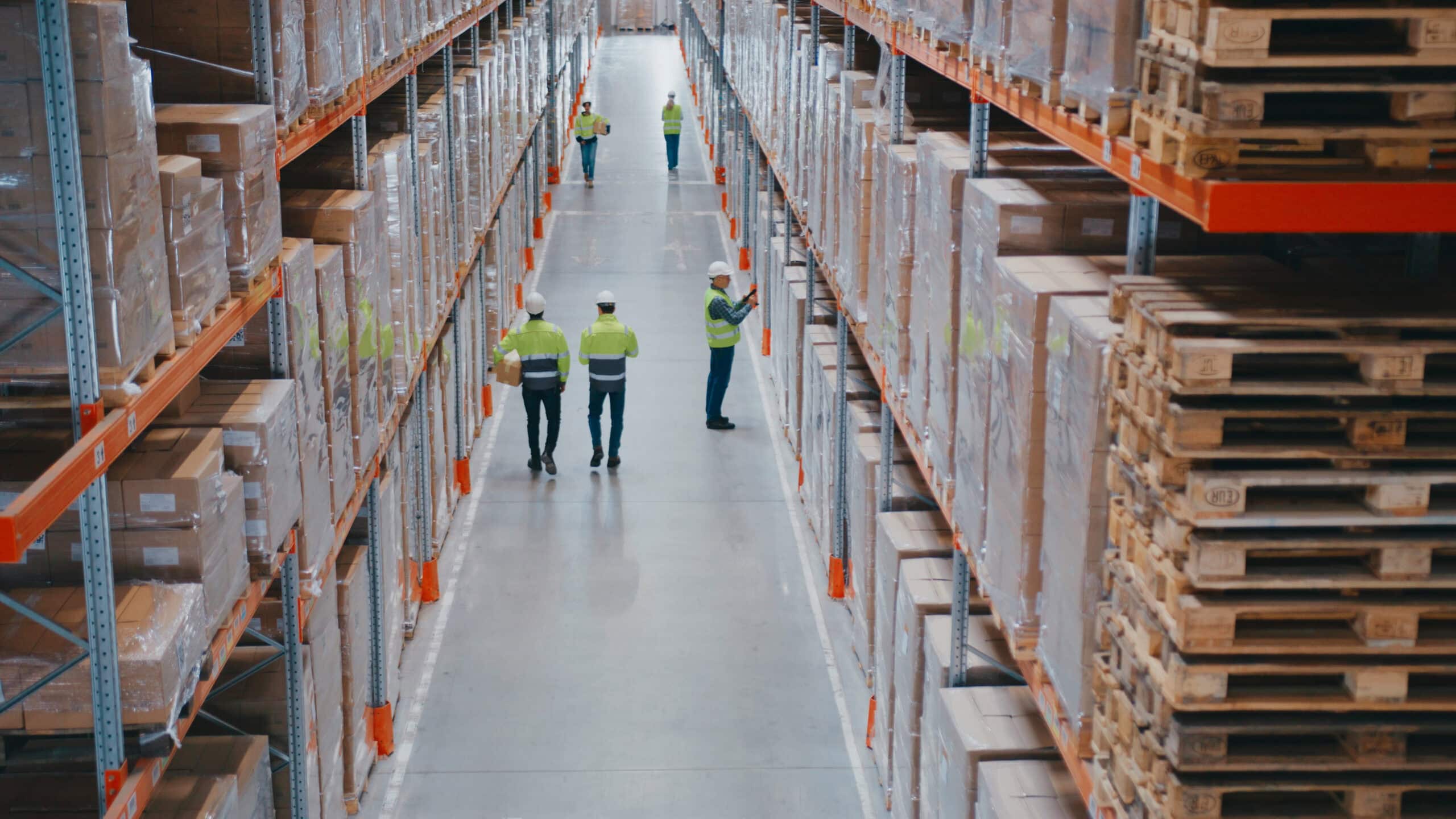
I’ve seen the same story many times. A manufacturer procures a warehouse next to the plant because, based on transportation and real estate costs at the time, that made the most sense. Production grows, so they add space. An acquisition brings another building. A key customer needs coverage in a new region, and another site goes up. Every decision was reasonable. Together, they produce a network nobody would build the same way today.
That’s not a criticism. In April 2026, WSI surveyed 306 supply chain and operations leaders at U.S. manufacturers this year. Of those leaders, 75% said their network grew organically rather than by design, and 73% said it was built for a different operating environment. Now 88% expect their footprint to change within 18 months through expansion, consolidation, or relocation.
The environment has changed. Components arrive from around the world on longer lead times, so plants with limited storage need more raw material nearby. Retailers are pushing suppliers toward two-day delivery or faster. A B2B manufacturer that wins or loses one major account can see its demand picture change overnight. Regulations change what a building is allowed to store.
Where optimization stops
Labor planning, slotting, routing, and automation all work well within an existing structure. Keep doing them. But at some point, you have to step back and look at the structure itself. When the problem is freight cost, inventory cost, or lead time, optimizing individual facilities won’t address inefficiencies that are baked in.
Some constraints make the decision for you. If you want to move volume to rail and your building has no rail access, no amount of tuning changes that. The same applies to chemicals. If regulations or products change and your containment no longer qualifies, you need a different building.
Not every symptom points to redesign, though. A labor shortage may be a site problem. Persistent freight or lead-time issues are more likely structural. Do a real root-cause analysis and build the plan around what you find.
Measure the whole flow
Start with total delivered cost. That means tracking product from the supplier through the plant, to the downstream DC, and out to the customer. Count every transportation leg, every extra handling, the added damage risk when another party touches the product, and the lead time. Cheaper rent doesn’t help if the location requires constant shuttles.
Next, look at capacity across the whole network. Space is a hard constraint. Labor is a soft one, because you can hire and train. Automation sets its own ceiling.
Then look at risk. We’ve seen warehouses lost to tornadoes and fires. You don’t need to duplicate everything, but you do need to decide how much risk you’re willing to concentrate in one node. Manufacturers in our survey split almost evenly here: 29% prioritize efficiency, 34% prioritize resilience, and 35% weigh them equally.
See it as one system
None of this works without system-level visibility. Otherwise, you’re making decisions one site at a time. Visibility gets harder when several 3PLs report in different formats. In our survey, 75% of respondents using multiple 3PLs said managing those relationships creates more complexity than value. AI tools can normalize that data quickly, but make sure you know how your tool protects what you put into it.
It’s always a balancing act. I’ve watched large manufacturers swing hard in one direction and pull back within a few years when their forecasts didn’t hold up. The goal is to have a clear reason for every node and check regularly that the reason still holds.