
Nvidia Cargo Theft: $11.4M Load Stolen on Its Way From Oakland to Fort Worth
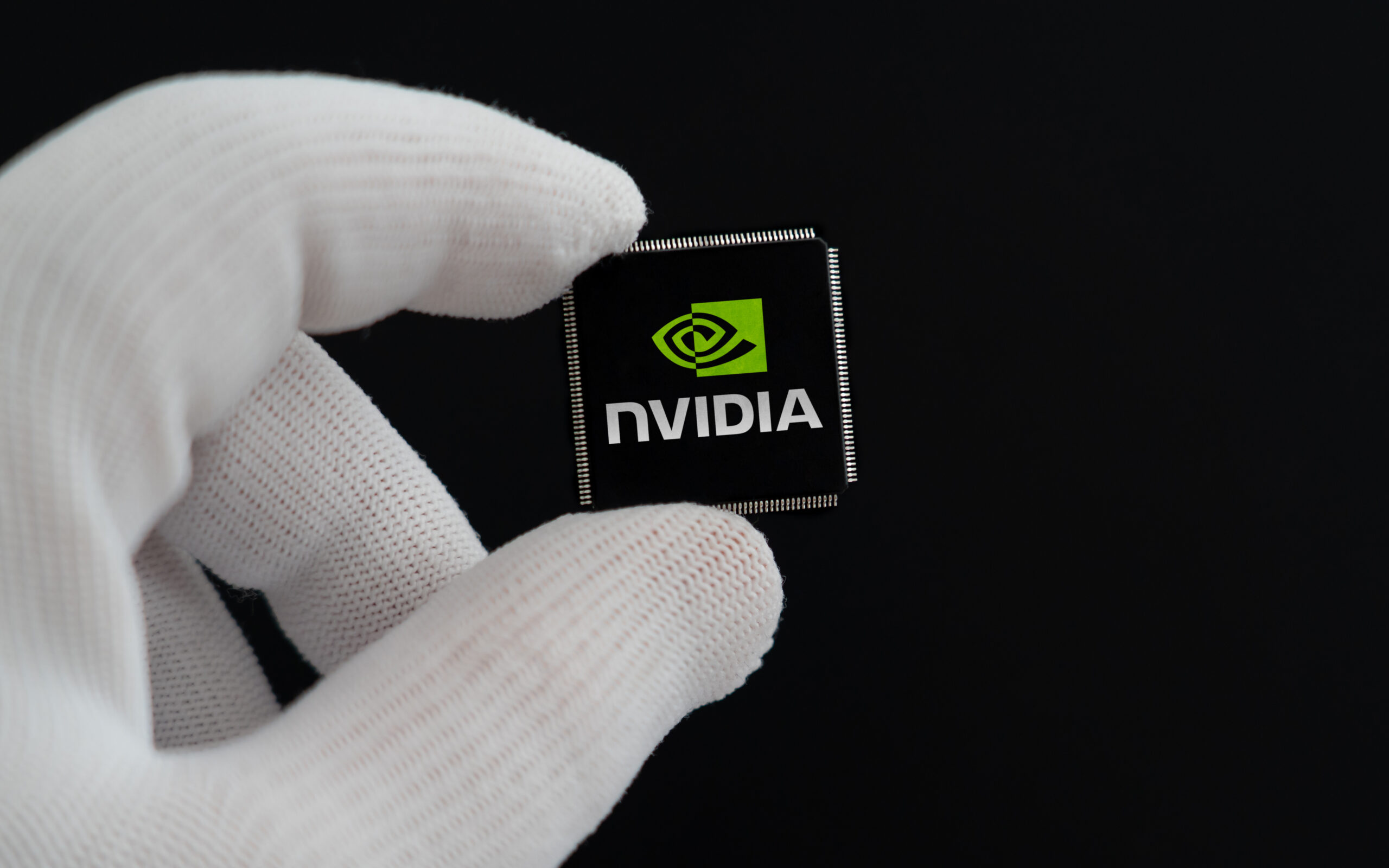
A truck collected six pallets of Nvidia gear in Oakland on Aug. 29. They never arrived at their destination. Police haven’t reported an arrest.

By Ashley Prince | November 10, 2026
TL;DR
What Nvidia shipment was stolen? A six-pallet load of Nvidia gear worth $11.4 million, collected in Oakland, California, on Aug. 29, 2026, for delivery in Fort Worth, Texas.
Who is investigating the Nvidia cargo theft? The Oakland Police Department, which classifies it as grand theft. The victim filed the report on Sept. 13, 2026. Police haven’t reported an arrest.
How was the Nvidia hardware stolen? According to court records, a truck marked as a food hauler collected the load on schedule. Investigators couldn’t follow it past San Bernardino County.
Why are thieves targeting AI and data center hardware? A single shipment can be worth millions of dollars and often moves as ordinary dry freight. Verisk CargoNet recorded 19 thefts worth $1 million or more in Q3 2026, many involving electronics and data center materials.
What is a fictitious pickup? A cargo theft in which criminals pose as a legitimate carrier to collect a load. Fictitious pickups made up about a quarter of reported cargo theft incidents in Q3 2026, according to Verisk CargoNet.
A recent Nvidia cargo theft involved $11.4 million in hardware. A six-pallet load was picked up in Oakland, California, on Aug. 29 for delivery in Fort Worth, Texas. It never arrived. For supply chain and logistics security teams, freight brokers, and law enforcement, it is a sharp example of how expensive and hard to trace these losses have become.
The truck that collected the freight on schedule was marked as a food hauler, according to court records. Somewhere in San Bernardino County, investigators could no longer follow it. Oakland police are handling the case as grand theft and haven’t reported an arrest.
“The Oakland Police Department is investigating a grand theft that occurred in East Oakland,” the department said in a statement. “The victim reported the crime to OPD on September 13, 2026.”
That report was made 15 days after pickup.
The incident points to the broader risks around AI and data center shipments. Protecting tech freight that moves like ordinary dry cargo is a challenge, and sophisticated theft tactics, including possible fictitious pickups, are a real threat.
What happened to the Nvidia cargo stolen shipment?
After pickup, the truck went south and sat for hours at a time at more than one point along the way. The trail went cold in San Bernardino County. The buyer realized in early September that the freight hadn’t shown up, and police got the report Sept. 13.
What is still unknown about the pallets of Nvidia hardware?
Most of it. Police have not said which Nvidia products were on the pallets, whether the food carrier was legitimate or impersonated, how the cargo was taken, or whether any of it has been recovered. Nvidia has not commented publicly.
Why are thieves targeting Nvidia and data center hardware?
A few pallets can be worth more than a warehouse full of anything else.
Verisk CargoNet recorded 19 thefts worth $1 million or more in Q3 2026, up from nine a year earlier. Many involved high-value electronics and data center materials. Total reported incidents fell 33% year-over-year, to 547, while estimated losses rose 12%, to $230.1 million.
Enterprise computer and networking equipment can include Nvidia chips worth several million dollars per shipment, and abroad they can fetch about double the price they do in the U.S., CargoNet noted in its Q2 report.
One chip can cost about $550,000 in the U.S. and sell for about $1 million abroad.
“Lower incident volume should not be mistaken for lower risk,” said Keith Lewis, vice president of operations at Verisk CargoNet.
David Mitsui, director of risk and compliance operations at Total Quality Logistics (TQL), told Inbound Logistics in October that multiple thefts in the first half of 2026 involved data center and server equipment. Organized crews have gotten good at predicting what a load contains based on where it ships from, he said.
The Oakland heist points to increasingly sophisticated criminal operations targeting high-value technology shipments.
“If it is a desirable commodity, which it is, that’s going to be what they go after,” Mitsui said.
Nvidia’s name alone draws attention. In late September, autonomous trucking developer PlusAI reported two of its trailers missing from its Fremont, California, site in a separate attempted theft. One carried Nvidia’s logo. Newark police found the pair the next day, each holding roughly 20,000 pounds of ballast sand PlusAI uses as test weight
How do thieves steal a full truckload in East Oakland without breaking in?
They get the freight handed to them. CargoNet counted 138 fictitious pickups in Q3, roughly one in four reported incidents, up from 18% a year earlier. In a fictitious pickup, thieves pose as a legitimate carrier and collect the load at the dock. Criminal syndicates increasingly use identity spoofing to hijack sensitive loads.
“We’re seeing criminals combine digital deception with traditional theft tactics,” Lewis said in the Q3 report.
GPS and telematics tracking devices are often used for covert shipment monitoring.
Investigators have not said whether the Oakland case was a fictitious pickup, though reports identified the truck as belonging to a food transport company before investigators lost track of it.
A load that leaves on schedule, with paperwork in order, can travel a long way before anyone notices it is gone. Because the methods are so sophisticated, the effectiveness of common security measures remains uncertain.
How can shippers protect high-value tech freight?
No single control stops a theft like this one, but going back to the basics can help close the most common gaps:
- Verify the carrier and the driver at the dock. Match the truck, the driver, and the carrier against what was booked, not just against the paperwork in hand.
- Treat delivery changes as suspect. TQL tells drivers to call before changing a delivery location for any reason, Mitsui said.
- Watch the load after pickup. Long unplanned stops and tracking gaps are signals. Escalate them in hours, not days.
- Check carrier history. A thief can buy a trucking company, its phone numbers, and its email accounts, but not its history, Mitsui said. Data on the freight a carrier normally books shows when something is off.
- Report fast and share what you learn. Every day between a theft and a police report is a day for the freight to move.