
From AI to Green Fuel: Developments in Freight and Logistics Tech
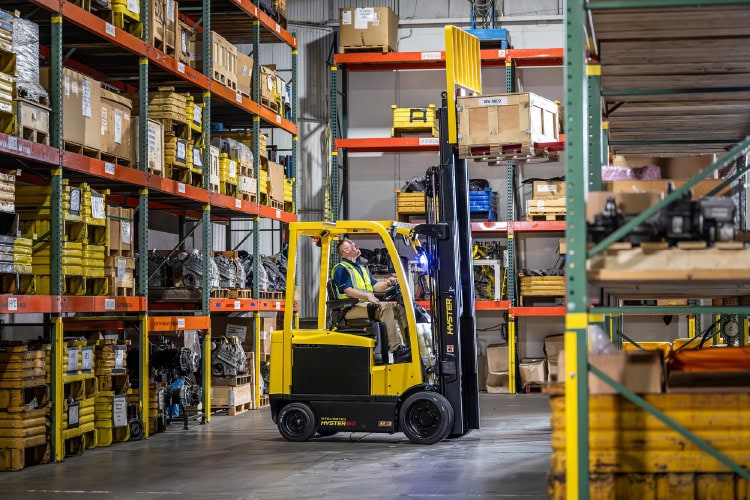
Hyster extended its electric cushion tire lineup with the E45-70XN2, covering load capacities from 4,500 to 7,000 lbs in two drive configurations. Intelimatch provides smooth, efficient operation, while Duramatch cuts energy consumption up to 20% and speeds lift-lower cycles by 65%. The model features a 34% larger through-mast window, accepts multiple battery chemistries, and requires 20% less service time compared to its predecessor.
Transportation
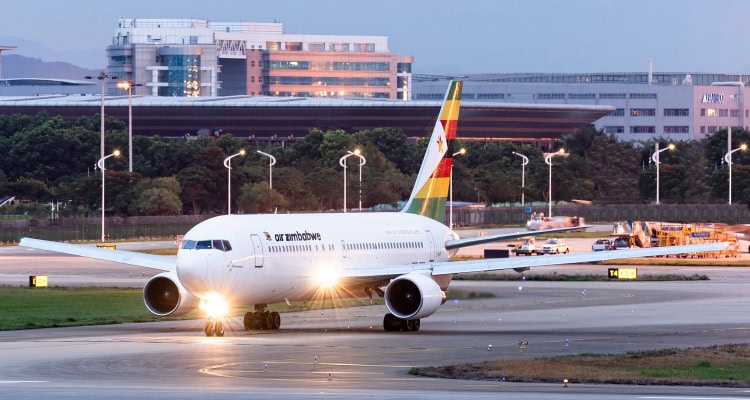
↑ Air Zimbabwe is set to resume direct scheduled service between Harare and London Gatwick by the end of summer 2026, restoring a route that has been inactive for more than 14 years. The service will operate under an ACMI arrangement, with Spanish carrier Plus Ultra providing the Airbus A330, crew, maintenance, and insurance. Flights will run under Air Zimbabwe’s flight code three times per week. Charter and leasing specialist Chapman Freeborn structured the ACMI and provided contract management support for the deal.
• The OOCL Wisdom completed its first green methanol bunkering and commenced its maiden voyage at Qingdao Port on July 3, 2026. The vessel is the first in a series of seven methanol dual-fuel container vessels and currently the world’s largest methanol dual-fuel containership at 24,168 TEU. It is deployed on OOCL’s Asia–North Europe Loop 1 service.
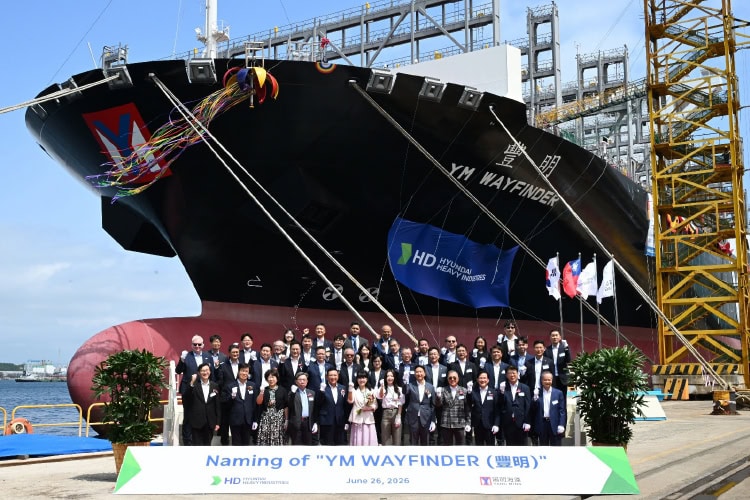
↑ Yang Ming named its third 15,500-TEU LNG dual-fuel container vessel YM Wayfinder. It will provide service on the Asia-North Europe FE3 route, with operations having begun in July 2026. The 365-meter vessel runs on a dual-fuel engine, capable of burning both LNG and low-sulfur fuel oil. LNG is the primary fuel, delivering about a 20% reduction in greenhouse gas emissions versus conventional fuel. FE3 port rotation covers Qingdao, Ningbo, Yantian, Singapore, Felixstowe, Antwerp, and Hamburg.
• The Port of Long Beach formalized a Green Truck Corridor with Bali Express Services, recognizing the company’s use of compressed natural gas and electric trucks to move cargo along a roughly 125-mile route between Long Beach and Mexico. Bali currently operates 32 CNG and six EV trucks. It plans to add 20 of each this year, with a goal of converting its full fleet of more than 350 trucks to zero-emissions by 2040.
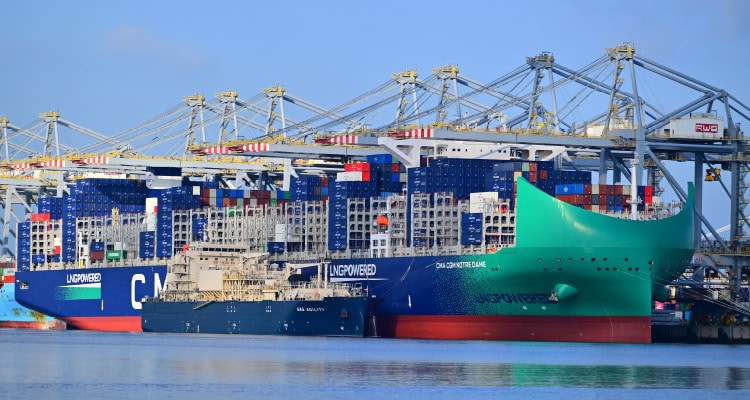
↑ The CMA CGM Notre Dame completed its first bio-LNG bunkering in Rotterdam, taking on 11,125 cubic meters supplied by TotalEnergies. Bio-LNG, produced from agricultural and organic waste, delivers at least a 67% lifecycle reduction in greenhouse gas emissions compared to conventional marine fuels. The operation is the largest bio-LNG bunkering ever completed for a CMA CGM vessel and is part of a broader green corridor the company is developing between Rotterdam and Asia.
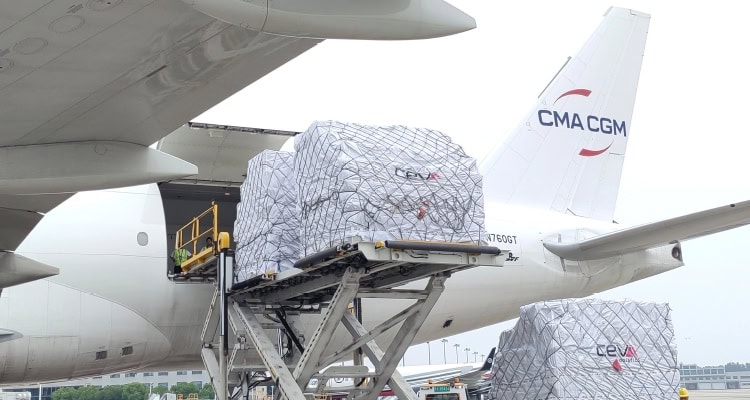
↑ CEVA Logistics launched a new air charter running three days a week from Hanoi to Chicago O’Hare. The company also renewed its twice-weekly Wuxi, China–Chicago service, now operated by CMA CGM Air Cargo, for a second year. Both routes funnel cargo through CEVA’s 700,000-square-foot Chicago gateway, which includes a Free Trade Zone and cold storage. The expansion supports shippers diversifying production out of China, with CEVA providing pickup and consolidation across Hanoi, Danang, and Ho Chi Minh City on the Vietnam side.
• Alaska Airlines launched daily nonstop service from Rome Fiumicino to Seattle in spring 2026, flying a Boeing 787-9 Dreamliner on the route. The service connects the Italian market directly with the Pacific Northwest. Alha Group serves as cargo handling partner at Fiumicino, supporting the flight with its CoolBox technology to maintain an unbroken cold chain for temperature-sensitive shipments.
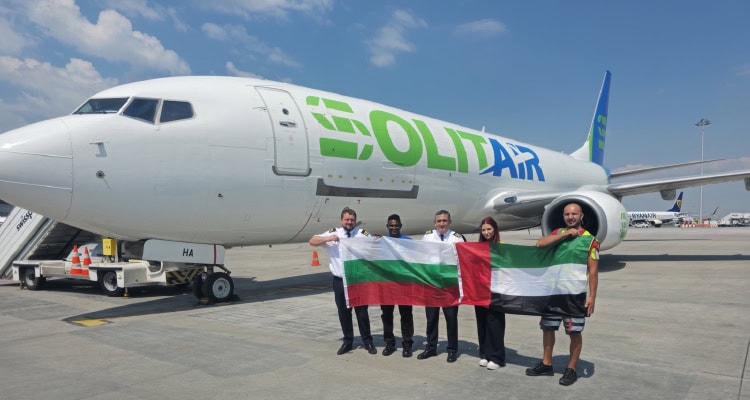
↑ Dubai-based cargo carrier SolitAir launched service to Sofia, Bulgaria, its first destination in the European Union. The route was enabled by the carrier’s ACC3 designation, which authorizes air cargo operations into the EU and EEA. SolitAir operates seven Boeing 737-800 freighters across 56 routes in 34 countries, with a network anchored in the Middle East, Africa, and Asia.
Products
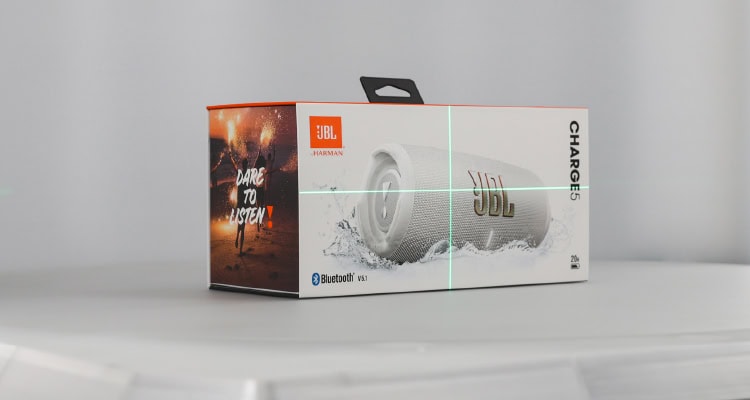
↑ Orbitvu launched the Alphashot XL G2 MDC, an automated system that combines product photography, laser measurement, weight capture, and AI-driven label scanning in a single cycle. It is the first to integrate all four functions. It processes up to 250 products a day and outputs a complete product record formatted for direct ERP or PIM import.
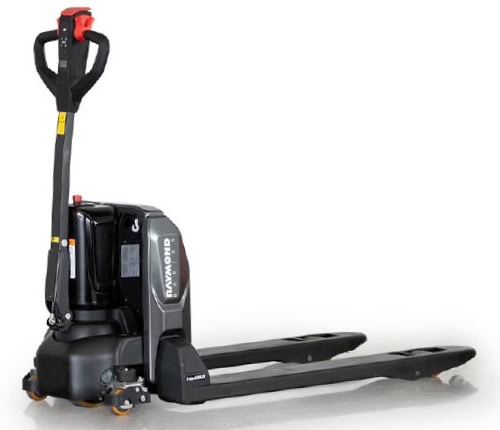 → Raymond added a lithium-ion model to its Basics walkie pallet jack line. The RBW45 is rated to carry up to 4,500 lbs and features motorized lift-lower and travel. The unit includes pinwheeling capability, keypad access control, and a spare battery. It ships immediately from stock.
• Digital Matter launched the Griffin Air, a GPS asset tracker for air freight that automatically disables radio transmissions in flight for airline compliance. It runs on user-replaceable AA batteries and boasts a rated life of up to seven years. It connects over 4G Cat 1bis with 2G fallback and Bluetooth 5.2. It uses GPS, Wi-Fi, and cellular triangulation for continuous visibility across air, road, warehouse, and storage environments.
• Körber released STEPLogic Tracker, an app-based traceability tool for mid-sized food manufacturers preparing for FSMA Section 204 compliance. The system records critical tracking events and key data elements at the lot level. It is built around the FDA’s 24-hour recall response requirement, which has a federal compliance deadline of July 20, 2028.
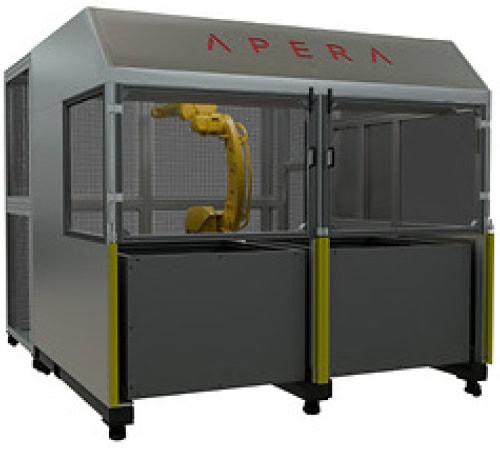 ← Apera AI introduced the VuePod, a self-contained bin-picking cell built on its 4D Vision system that ships fully assembled. It autonomously handles picking strategy, reorientation, and path planning without external programming. The launch configuration targets small-to-medium ferrous metal parts using a magnetic gripper and requires a three-step setup.
Services
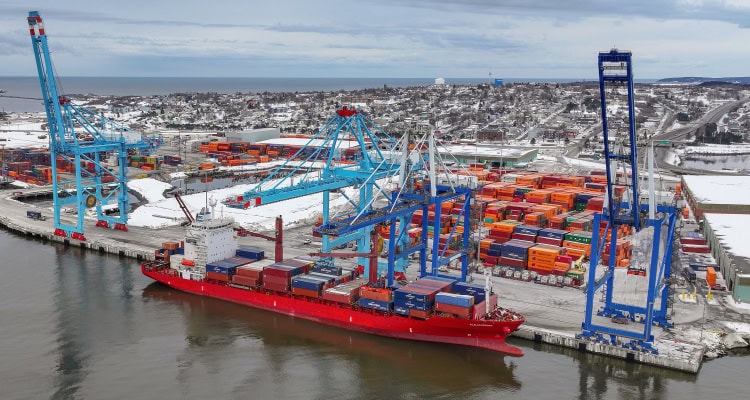
↑ A new integrated cold chain hub opened at Port Saint John in New Brunswick, combining Americold’s temperature-controlled storage, DP World’s maritime logistics, and CPKC’s rail network into one facility. It is the first of its kind globally. With approximately 22,000 pallet positions, it is the only temperature-controlled facility in Eastern Canada connected directly to a port without requiring drayage between vessel and warehouse. The hub targets freight flows between Central and Eastern Canada and markets in Europe, South America, and Asia-Pacific. It is expected to support up to 100 jobs.
• Veho’s recent Bay Area launch brought its ecommerce delivery network to 78 markets and 52% of the U.S. population, marking the first time the platform has covered more than half the country. The company added 28 markets over the past year while holding a 99% on-time delivery rate and a 4.9/5 customer satisfaction score. Its Ground Plus Suite, powered by the Maestro AI routing engine, gives retail brands five delivery speed options and dynamically optimizes routing to keep service consistent across all markets.
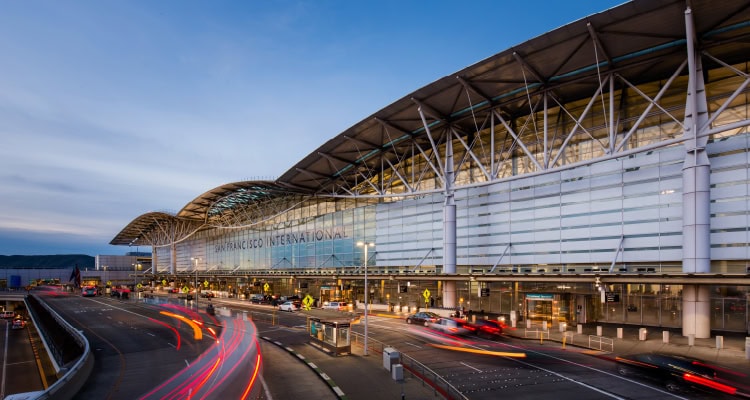
↑ San Francisco International Airport is investing more than $300 million to expand its air cargo terminal, with Lödige Industries selected to supply automated storage, retrieval, and high-throughput handling systems. The 310,000-square-foot, two-story facility centers on three rail-guided Elevating Transfer Vehicles, which are automated cranes that move standard cargo pallets vertically and horizontally simultaneously. Construction is scheduled to be completed in spring 2028, with operations beginning later that year.
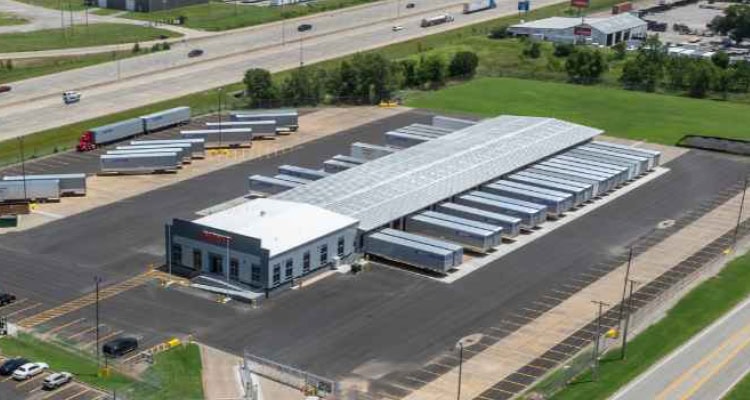
↑ Averitt opened a new service center in Tulsa, Oklahoma, replacing its previous facility with a significantly larger footprint. The center boasts 33 dock doors versus 16 at the old location, as well as 16,800 square feet of dock space versus 3,500.
• Imperative Logistics Group sold its Fine Arts & Entertainment subsidiary, Masterpiece International, to Maxwell Street Capital Partners, in partnership with Boxart. The divestiture is part of a strategy to focus on mission-critical, white-glove services for shippers in healthcare, aviation, aerospace, specialty automotive, technology, and advanced manufacturing.
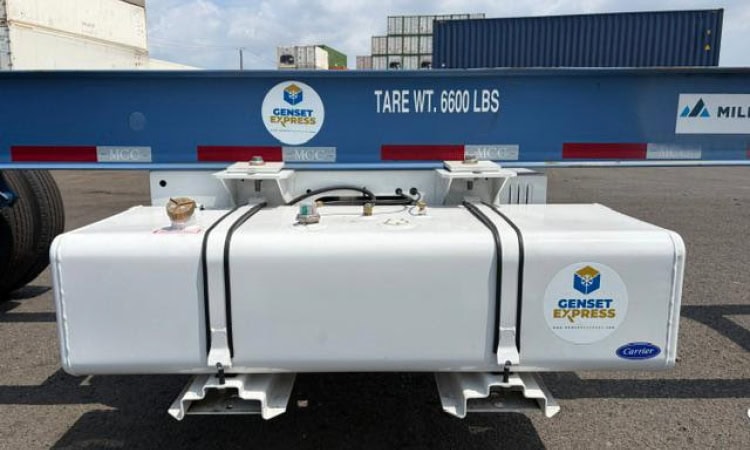
↑ CMC expanded its Genset Express refrigerated transport program to the Port of New York and New Jersey, deploying Tier 4 underslung gensets pre-mounted to an upgraded chassis equipped with ABS brakes, radial tires, and GPS. Motor carriers can pick up ready-to-use units at CMC’s Elizabeth, NJ depot, skipping the separate steps of mounting and coordinating equipment. New York is the seventh Genset Express location. Existing operations in Mobile, Jacksonville, Savannah, Wilmington, Charleston, and Houston run clip-on configurations.
• Sallaum Lines signed a shipbuilding contract with Xiamen Shipbuilding Industry for two 8,600 CEU pure car and truck carriers (PCTCs), the largest vessels in the company’s history. The contract includes options for two more. Each ship measures 199.9 meters long and has five liftable decks to handle cargo ranging from passenger cars to heavy rolling equipment. The vessels will run on dual-fuel engines capable of burning LNG, VLSFO, or MGO, with an ammonia-ready design built around IMO 2030 targets.
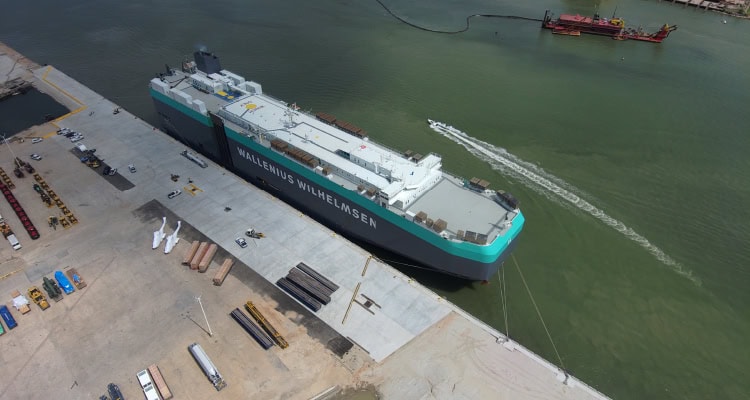
↑ The Port of Galveston opened a new 1,410-foot cargo berth at its West Port Cargo Complex, completing a $106-million expansion that adds nearly 30 acres to the previously 60-acre facility. The project was funded through port operating revenues and a $36-million Texas Department of Transportation grant.
• Saia opened two new LTL terminals in the Midwest, one in Duluth, MN and one in Columbia, MO. The terminals add coverage in northern Minnesota and central Missouri, and bring Saia’s terminal count to 218.

↑ Lufthansa Cargo launched the first phase of its LCCevo infrastructure project at Frankfurt Airport, the initial step in a $684 million overhaul that aims to make the Lufthansa Cargo Center Europe’s most modern air cargo hub by 2030. The completed ALPHA phase covers roughly 80,000 square meters and includes a fully automated high-bay warehouse with nearly 3,000 pallet storage slots. It is capable of more than 300 storage and retrieval operations per hour. Two additional phases, BRAVO and CHARLIE, are planned over the coming years.
• The National Motor Freight Traffic Association released a free AI governance framework for trucking and logistics companies, providing 50 actionable controls across five domains covering data protection, vendor evaluation, accountability, and operational risk. The resource targets fleets and logistics providers already running AI tools, whether purpose-built or embedded in existing software. It is available at nmfta.org.

↑ Asyad Group, Oman’s national integrated logistics provider, signed a framework agreement with CMA CGM to jointly develop a $400-million multipurpose logistics terminal at Sohar, which is on Oman’s northern coast. The terminal is intended to expand cargo handling capacity, open new regional trade corridors, and deepen Omani ports’ connections to global shipping networks.
Technology
• Loadsmart added Driver ID Validation to its Gate Management product housed inside Opendock, the company’s dock scheduling platform. The offering lets warehouses verify driver identity in real time without getting new hardware. Drivers scan a QR code or use an on-site tablet, photograph their ID, and are cleared in seconds. The company also now offers Digital BOL Signing, which lets drivers review and sign the bill of lading electronically at checkout. A signed copy is then automatically stored on the appointment record.
• Traba launched Neo, an AI layer that connects a facility’s existing WMS, TMS, ERP, and HRIS systems and automates the work that falls between them. It works with labor forecasting, post-shipment exceptions, carrier claims, bulk shipping, and real-time margin visibility by customer. The system flags risks like demand spikes before they become problems.
• FORT Robotics joined the NVIDIA Halos for Robotics ecosystem, adding outside-in safety to its autonomous robot control platform by incorporating external infrastructure sensors, such as facility-mounted cameras, alongside a robot’s onboard sensors. The integration allows autonomous mobile robots to maintain higher operating speeds around workers by giving them real-time awareness of the surrounding environment.
• Lufthansa Cargo, WiseTech Global, and IBS Software completed one of the first large-scale, multi-stakeholder implementations of IATA’s ONE Record standard, successfully exchanging Master Air Waybill data between a freight forwarder’s CargoWise platform and Lufthansa Cargo’s system via IBS Software’s ONE Record server. ONE Record defines a common data model for air cargo data shared via a standardized API and is offered as a free open-source standard. The implementation enables shipment data to be validated within each company’s own systems before cargo moves.
• Transfix embedded Highway’s Carrier Identity vetting directly into its TMS, letting freight brokers and 3PLs verify carrier legitimacy, insurance status, and operating authority at the moment they cover a load. Highway’s system blocked nearly 2 million fraudulent email attempts and 8.5 million spoofed phone numbers in 2025. The integration is available now to all Transfix TMS customers.
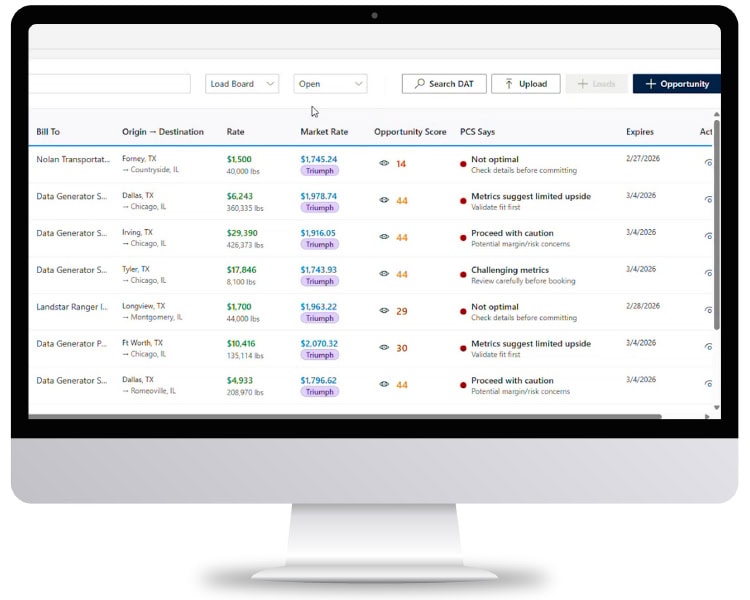 → PCS Software integrated Triumph’s Market Rate Intelligence into its Cortex Opportunity Manager and Backhaul Booster products, giving carrier dispatchers live rate benchmarks drawn from more than 65% of North America’s brokered freight. Dispatchers can now see what a lane is paying in real time and price or prioritize loads before accepting them.
• Nomad launched Nomad Pay, an embedded factoring solution built into the Nomad platform that automates invoice verification, funding, and collections for carriers. Verification runs automatically and invoices can be funded in minutes rather than hours. Nomad Pay sits alongside Nomad Fuel within the same platform, combining invoice funding and fuel spend management in one place.
 • Infios added vaibe, a gamification platform for warehouse environments, to its suite of warehouse solutions. Originally developed inside Körber, vaibe uses game mechanics to increase frontline worker engagement, motivation, and productivity. It also integrates into warehouse workflows to deliver real-time performance feedback.
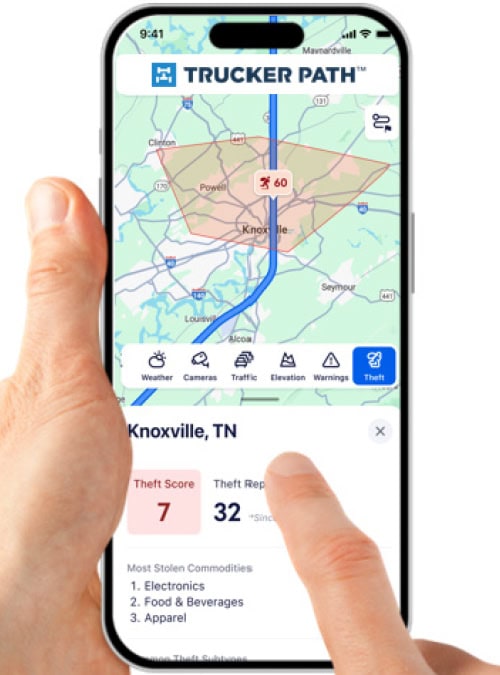
← Trucker Path added Verisk CargoNet cargo theft data to its navigation app, giving drivers a county-level theft risk rating, including stolen vehicle counts, most-targeted commodity categories, and common theft subtypes along their routes. In the first five months of 2026, CargoNet recorded 1,120 cargo theft incidents and over $121 million in estimated losses, with California, Texas, and New Jersey accounting for more than half of all Q1 activity.