
Panama Canal Queue-Jump Fee Passes $4M as Iran War Reroutes Global Shipping
 By Ashley Prince | August 14, 2026
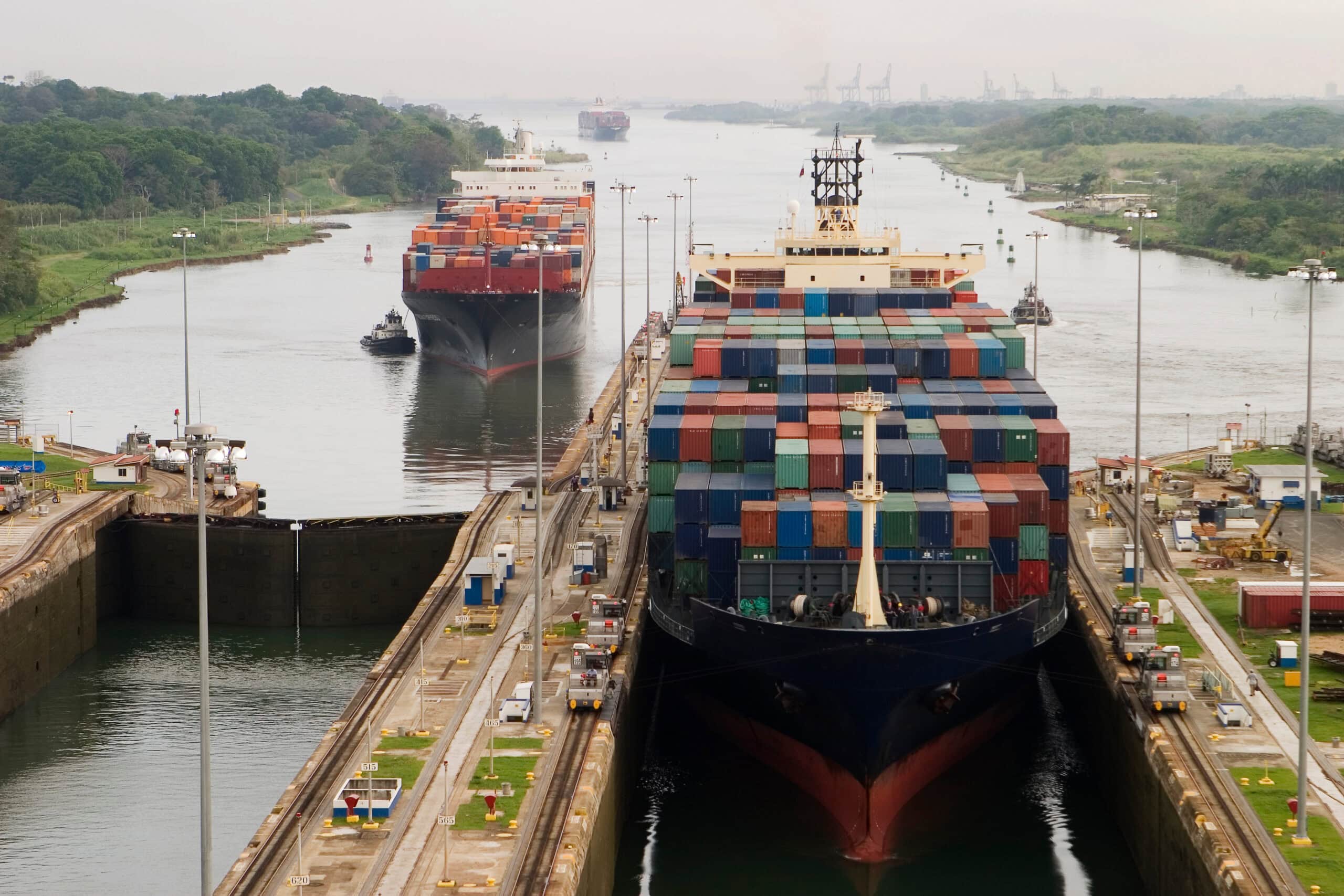
An empty liquefied petroleum gas tanker, the G. Arete, will cut the Panama Canal queue next week after paying $4.6 million, according to a shipping report seen by Bloomberg. The payment is the highest publicly reported queue-jump fee to date, above the prior high of $3.975 million paid by Japan’s Eneos Group in November 2023.
The payment also surpasses the roughly $4 million that the owner of the Seaspan Benefactor paid to jump the line earlier this week.
When the approximately $4 million bid came in from the owner of the Seaspan Benefactor on Monday, it was more than double the average winning bid over the prior seven days. With this second large payment on the books this week, those trend lines are ticking up.
The average wait time at the Panama Canal has stretched to about 10 days, with northbound vessels waiting slightly longer than southbound vessels. This is up sharply from earlier in the season. For ships that can’t afford to wait that long, Panama Canal Authority makes three to five slots available by auction each day on top of its standard reservation system.
In an April 2026 update to shipping agents and financial analysts, Panama Canal Authority (ACP) Vice President of Finance Víctor Vial said the average auction price for a Panama Canal slot ran $135,000 to $140,000 before the Middle East conflict began.
By March and April, that average had climbed to roughly $385,000. Vial characterized the spike as a temporary response to demand rather than a change to standard costs. For companies navigating the canal, however, that spike has grown taller and stretched longer than many expected.
The escalation traces to the war between the United States, Israel and Iran, which began at the end of February.
About a quarter of the world’s seaborne crude and petroleum products, and close to a fifth of its liquefied natural gas, normally moves through the Strait of Hormuz, according to the Congressional Research Service. Commercial traffic through the strait has been sharply curtailed for most of the past six months. Additionally, shipping lines have been rerouting to avoid the Red Sea’s Bab el-Mandeb Strait amid a separate standoff involving Houthi forces and Saudi Arabia.
The rerouted tonnage has added to Panama Canal congestion already under strain from its own water management. The Authority’s most recent monthly operations summary, published August 10, confirms the maximum draft allowed in the Neopanamax locks will drop to 48 feet on August 26 and to 47.5 feet on September 3, the fourth and fifth such reductions in a conservation program the Authority says has been running since December in anticipation of El Niño conditions. A separate ACP advisory has locks maintenance work scheduled into September, including an 11-day outage at the Gatun locks.
Before this week’s bid, the auction average has roughly tripled between the pre-war baseline and April alone. For shippers, brokers and the inland carriers, the trajectory of auction prices and wait times has become a gauge for how exposed global trade routes are to disruptions.
The record-breaking $4.6 million toll is representative of how much one operator was willing to pay for predictability. When that logic is applied across a global industry, it highlights how costly “temporary” surcharges can become.