
Port Strike Averted at Los Angeles and Long Beach Pending Vote

By Ashley Prince | November 23, 2026
TL;DR
How was the Los Angeles and Long Beach port strike averted? On Nov. 21, 2026, the Pacific Maritime Association (PMA) and International Longshore and Warehouse Union (ILWU) Local 26 reached a tentative agreement on a new contract for about 250 watchmen at the ports of Los Angeles and Long Beach.
The union’s contract had been set to expire at 12:01 a.m. that day.
Why could 250 workers disrupt the ports? ILWU Local 26 watchmen provide security at six container terminals that handle more than half of the two ports’ combined cargo, according to PMA.
Longshore workers and marine clerks were not expected to cross a Local 26 picket line.
Is the agreement final? No. Local 26 members still have to ratify the deal, and the current contract stays in force until they vote. Terms have not been released.
What should shippers watch next? The ratification vote and the rail ramp. Rail-bound containers at the two ports sat on terminal an average of 8.16 days in October, according to the Pacific Merchant Shipping Association.
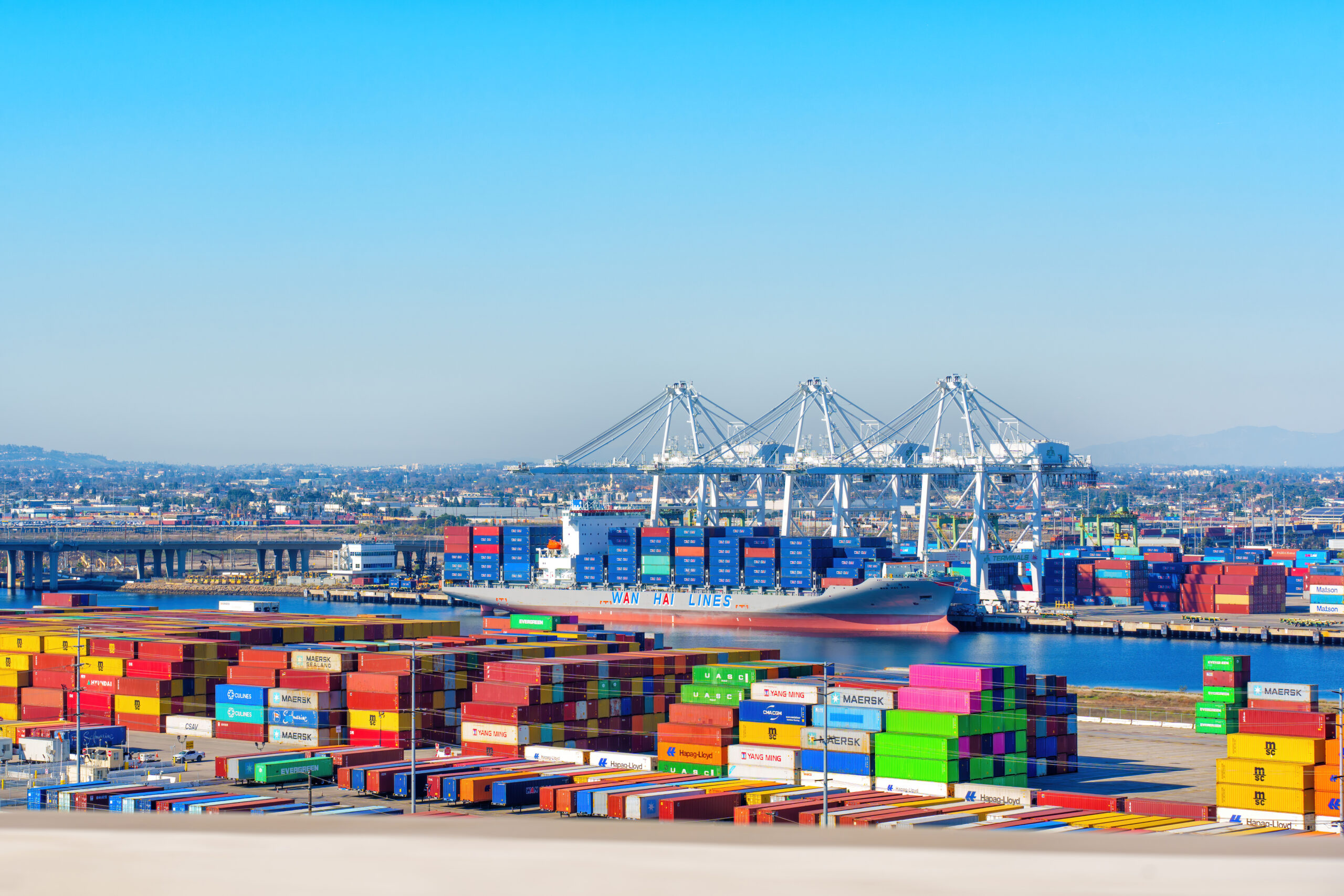
Over the weekend, a last-minute agreement prevented a strike that could have halted cargo at the ports of Los Angeles and Long Beach at the peak of holiday shipping.
The Pacific Maritime Association (PMA) and International Longshore and Warehouse Union (ILWU) Local 26 reached a tentative agreement on Saturday, Nov. 21, heading off a strike by about 250 terminal watchmen.
The agreement came the same day the watchmen’s contract was set to expire, less than a week before Thanksgiving and Black Friday.
PMA, which bargains on behalf of West Coast terminal employers, said the deal is subject to ratification by Local 26 members, and the current contract will be extended until then. PMA thanked the Federal Mediation and Conciliation Service (FMCS), the U.S. Department of Labor, and the Local 26 bargaining committee.
The Impact of 250 Watchmen
Local 26 accounts for roughly 2% of the ILWU workforce at the two ports. Its members work at terminals that handle about 85% of the cargo moving through the Port of Long Beach and 33% at the Port of Los Angeles, according to PMA.
Longshore workers and marine clerks work under a separate coastwide contract and were not party to the dispute. However, PMA said they were not expected to cross a Local 26 picket line, which could halt vessel, yard, and gate operations at the affected terminals.
The watchmen’s last agreement with PMA covered 2019 to 2025. Members have worked under various extensions ever since.
A Moving Deadline
On Oct. 30, the two sides signed an extension through 5 p.m. PT on Nov. 4, with FMCS assisting. That deadline moved to midnight Nov. 6, then to Nov. 20.
Talks broke down on Nov. 17. In a statement the next day, PMA said the session ended with “little-to-no movement” from the union, and that Local 26, having already taken a strike vote, was unwilling to extend past 12:01 a.m. on Nov. 21.
The statement also laid out PMA’s offer: a one-time $3,200 bonus per member; wages that would raise average annual earnings for full-time watchmen from more than $170,000 to $198,000; fully employer-paid health care; and pensions of up to $93,200 a year for the longest-tenured workers.
PMA cited an analysis by economist John Martin ,estimating that the affected terminals handled about 6.2 million containers in 2025.
On Nov. 20, the day talks resumed, more than 110 trade associations signed a letter released by the National Retail Federation urging both sides to keep bargaining. The groups warned that a stoppage would jeopardize holiday shipments, cut off components manufacturers need, and halt U.S. exports, creating terminal backlogs that could take weeks or months to clear.
PMA announced the tentative agreement the next morning, Saturday, Nov. 21.
Rail Is Already Backed Up
The strike threat came during a record run for both ports.
The Port of Los Angeles handled 1,026,872 TEUs in October, a record for the month and the second-highest monthly total in its history, following September’s all-time high. It was the first time the port topped 1 million TEUs in back-to-back months.
Loaded imports rose 25% year over year to about 538,620 TEUs.
Next door, the Port of Long Beach set its own all-time monthly record in September with 997,177 TEUs.
According to the Pacific Merchant Shipping Association (PMSA), rail-bound containers averaged 8.16 days on terminal in October, up from 7.19 days in September. Truck-bound containers averaged 3.60 days, up from 3.18. PMSA’s Natasha Villa attributed the increase to “the system absorbing an historic surge of cargo.”
A strike would have closed terminal gates on top of that backlog.
Port of Long Beach CEO Noel Hacegaba said that with the contract extended pending ratification, “cargo will continue to move without interruption, providing the reliability and predictability businesses count on during the busy holiday season.”
What Happens Next?
The agreement still needs a yes vote from Local 26 members. PMA has not disclosed terms, and the current contract stays in effect pending ratification.
Shippers moving intermodal freight through Los Angeles and Long Beach should still plan for delays. A container that arrives on schedule by ship can spend more than a week waiting for a train, and delivery dates should account for that until dwell times come down.