
Somewhere Henry Ford is Smiling
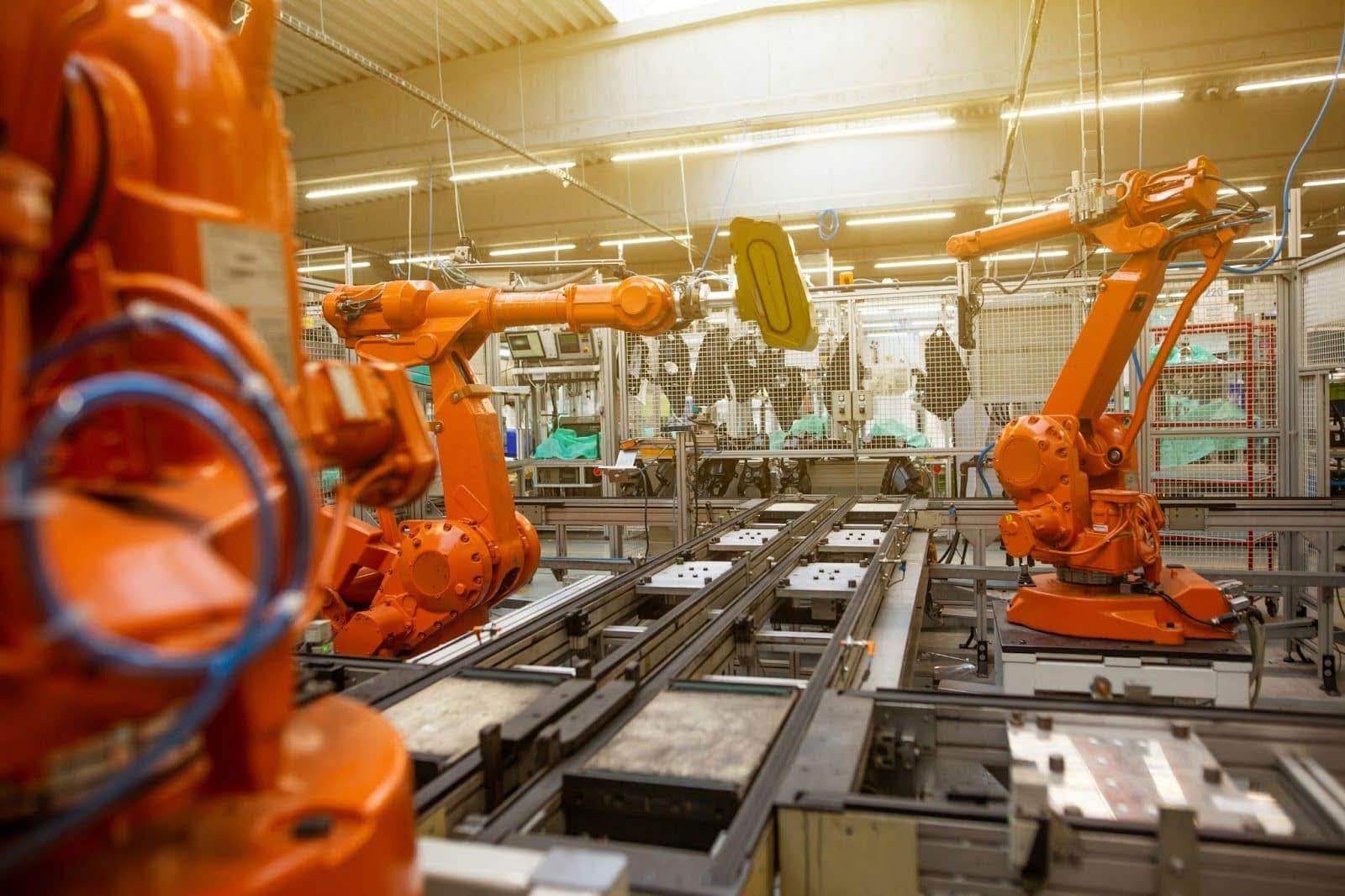

Henry Ford revolutionized car manufacturing by inventing the moving assembly line. Besides saving time and money, that new process made the Model T affordable and ubiquitous. Today, thousands of vehicle plants around the world still use that method.
Using Ford’s method, modern vehicle assembly lines are a moving and sequential process where a car’s frame—called box or cage—moves down the line, then workers and their cobots shoehorn components—wiring, electronics, dashboard rugs, doors—into the cage. Wrangling oversized components through space-restricted door or windshield openings is complicated and time-consuming, but car companies have it down to a science.
But what if you came at the concept in a completely different way? Standing on Ford’s manufacturing shoulders, Tesla just patented a revolutionary auto manufacturing process called “unboxed manufacturing.” Tesla’s plan is to build the car’s contents on a flat and open, accessible platform called a skateboard, and then close it off at the very end. The skateboard is the car’s floor with the battery pack underneath.
This unboxed method aims to reduce factory footprints and cut production costs in half, while manufacturing at blazing speeds. Two new Tesla patents outline how it intends to turn this manufacturing method from vision to reality.
Tesla begins with 5 parallel module assemblies: skateboard, front module (suspension, steering, dashboard), rear module (suspension, drive unit), and left and right sides (doors, windows, charge port, trim, controls).
Here’s where the magic happens. Once the floor, front, and rear modules are joined into a single, drivable chassis, the sides of the car are attached. This is the most beneficial change in the assembly line process because it leaves the vehicle completely open from the sides and top during the most complex and previously space-restricted assembly stages. Now more hands and cobots can drive faster internal construction while the skateboard speeds down the line.
This genius idea relies on a new era of inbound logistics performance. Inbound Logistics began thinking about how to flip push supply to pull supply 40 years ago. With unboxed, we’re talking about moving from one assembly line with a dependent supply to feeding 5 assembly lines in smaller factory footprints and running at Elon Musk manufacturing speed. There’s no way that will work without a futuristic upgrade in supply chain controls and supply certainty.
Genius and creativity can flip solid and accepted logistics and manufacturing practices. But both must converge to deliver the unboxed manufacturing idea. When it does, this unboxed method will be copied everywhere, just as Ford’s assembly line process was.
And when that happens, what would Henry Ford think? He’d smile.