
WHAT’S THE WORD: The Language of Logistics

 Cushioning Cargo
Crush Profile
How much compression, weight, or impact a load can withstand in shipment. Shippers should determine a load’s crush profile and work backwards from there to ensure they use the most suitable securement materials.
 A recent RXO study highlighted the importance of crush profile considerations and accounting for lane topography to calculate the burst and crush risks associated with each dunnage bag material, such as 4-Ply Kraft paper, woven polypropylene, and polyvinyl chloride.
CYBER PHYSICAL DAMAGE
A cyber event that causes physical cargo damage. Businesses storing temperature-sensitive goods like pharmaceuticals and food face this often overlooked insurance coverage gap. Say a cyber attack were to disrupt warehouse temperature controls and spoil inventory, neither a traditional cargo nor cyber policy would apply.
Traditional cargo policies exclude cyber events, while traditional cyber policies exclude physical damage. Consider a standalone cyber physical damage cargo solution defining triggers covering system breach scenarios.
–Kelly Malynn, Senior Risk Manager, Beazley
Decoding AI
 Vibe coding
Using AI prompts to generate source code, coined by millennial computer scientist Andrej Karpathy, a co-founder of OpenAI
HITL
Human in the Loop or AI/human workflows: work processes that incorporate human decision-making and judgment calls to guide AI outputs
ecommerce: getting up to speed: Q-commerce
 Short for quick commerce, Q-commerce refers to ecommerce deliveries that are completed in less than one hour. Amazon, Instacart, and DoorDash lead the q-commerce flock in the United States.
Meanwhile, in India, q-commerce deliveries—for everyday essentials and assorted products—often clock in at under 10 minutes. Drawing billions of dollars from global companies and investors, the q-commerce market in India is expected to soar to $50 billion by 2030, up from $8 billion in 2025, according to a report from Deloitte and Google.
LET’S TALK WAREHOUSE: Targeted Cost to Service
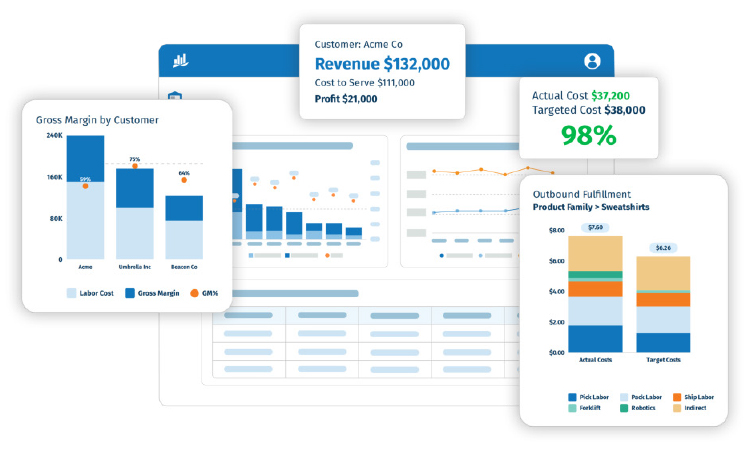
A new financial metric from warehouse performance management platform Easy Metrics. This workload-adjusted earned budget dynamically reflects the actual operational work performed. TCTS continuously recalculates targeted operational cost based on real operational conditions, including order profile, process complexity, product mix, and workflow variability.
“TCTS gives shippers a workload-adjusted view of what their operations should cost, accounting for order mix, SKU complexity, and service requirements. It puts shippers and their providers on the same factual footing.”
–Dan Keto, President and CTO, Easy Metrics