
Articles
3PL
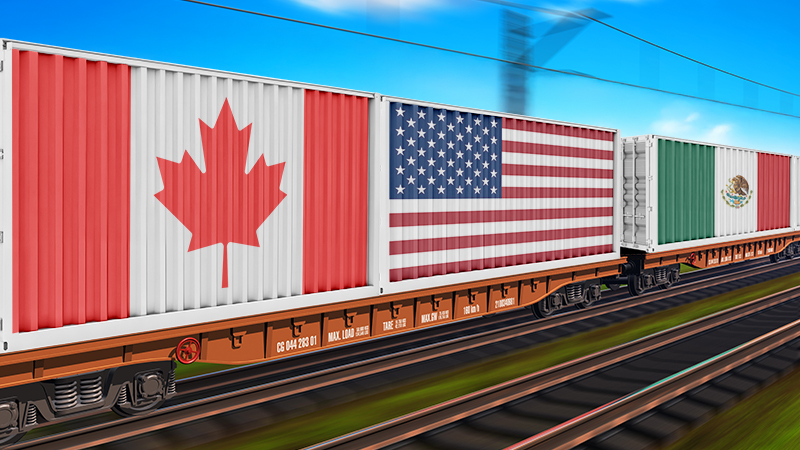
Cross-Border Logistics Solutions: Keeping Freight in Motion
As nearshoring trends and tariff regulations reshape North American freight flows, shippers turn to experienced logistics partners to manage complexity, ensure continuity, and keep goods flowing smoothly across borders.
Read More
NOTED: Supply Chain Highlights
A snapshot of the latest supply chain activity, including logistics partnerships, executive moves, sustainability initiatives, investments, mergers and acquisitions, and industry recognition.
Read More
3PL Technology Companies
Third-party logistics (3PL) providers are undergoing a digital revolution – leveraging AI, digital twin solutions, and real-time intelligence to radically redefine supply chain performance. These standout 3PLs drive unparalleled efficiency, end-to-end visibility, and sustained growth through technology innovations.
Read More
Podcast Roundup: Press Play on Progress
These popular Inbound Logistics podcasts set the supply chain agenda in 2025.
Read More
Overcoming Geopolitical Uncertainty and Turning Challenges into Opportunities
Q. What are the biggest challenges facing the freight market? A. The most obvious answer is the ever-changing geopolitical landscape. Globally there have been some headwinds in the trade routes, with many ocean carriers shifting how they operate. Tariffs have certainly forced many to shift aspects of their supply chain or for some, unfortunately, halt […]
Read More
7 Principles That Make Strategic Relationships Work
Over my years of being part of the third-party logistics discipline, I have often seen and heard shipper/3PL relationships characterized as a marriage. This is a fitting characterization, given the covenant nature and commitment of these strategic business agreements.
Read More
NOTED: Supply Chain Highlights
MILESTONES: Boeing set a new record for Boeing 777 Freighter deliveries in 2025, with plans to deliver at least 35 by year-end, surpassing previous highs and reflecting strong demand as airlines modernize fleets and face limited new freighter options.
Read More
The Differences Between Long-Term 3PL Partnerships and Short-Term Contracts
With volatility becoming the norm in the supply chain, shippers have begun reevaluating their third-party logistics (3PL) providers. Here’s how to choose the right 3PL model.
Read More
Building a Reputable Brand as a 3PL within the Life Science and Pharmaceuticals Industry
2026 marks MD Logistics’ 30th year in business. Here’s how the 3PL built a reputation as a leading partner within one of the most regulated industries.
Read More
18 Must-Attend Logistics and Supply Chain Trade Shows in 2026
It’s trade show time! Plan ahead and be sure these 19 top events are on your calendar for 2026.
Read MoreWhy a Profitable 3PL Will Matter More Than Ever in 2026
Q. Why does profitability matter more when choosing a 3PL in 2026? A. Over the past few years, there has been a noticeable shift, not just in the 3PL space, but across industries. Profitability took a backseat to market share for a while. That worked fine when capital was cheap, but that’s no longer the […]
Read More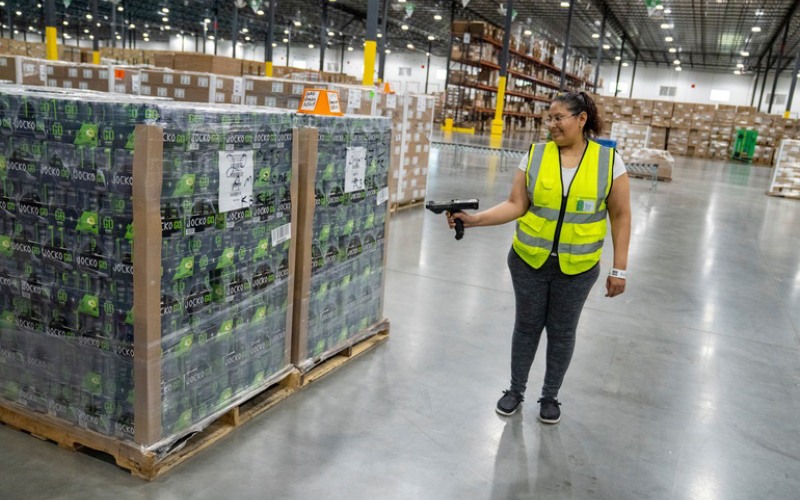
How Jocko Fuel Manages DTC And Retail Fulfillment at Scale
As a fast-growing sports nutrition brand, Jocko Fuel faced mounting logistics challenges as it expanded from direct-to-consumer (DTC) fulfillment into national retail distribution.
Read More
3PL Longevity: How They Survive and Thrive Through the Decades (or Centuries)
Here are the core strategies—from continuous disruption to customer focus—that have helped some leading third-party logistics providers grow and succeed for generations.
Read More
NOTED: Supply Chain Highlights
Two Lufthansa Cargo subsidiaries—CB Customs Broker and heyworld—will merge into a single company effective January 2026. The goal of the merger is to unite complementary capabilities and create a unique one-stop offering for cross-border logistics solutions at parcel level.
Read More
It Is Personal: People-Focused Leadership That Inspires Excellence
VISION: From day one, Robert Goldstein set out to build a logistics organization with a proactive, relationship-driven model. As the company scales, he continues to reinforce a culture where people feel empowered to do meaningful work.
Read More
Breaking the Ice: Innovation Reinvents Cold Chain Logistics
As global demand for temperature-sensitive goods surges, a block of innovation—including smart sensors, automation, and solid-state cooling—is reshaping the cold chain, one hand-off at a time.
Read More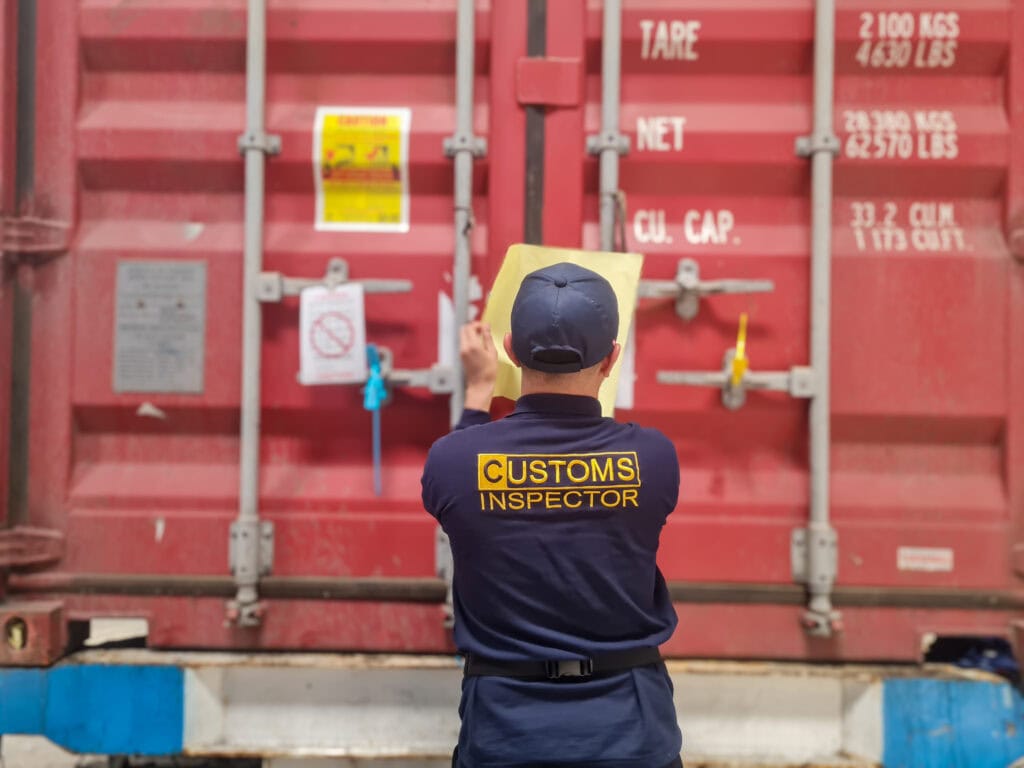
CBP Opens CTPAT Pilot to Freight Brokers and Non-Asset 3PLs
By Amy Roach | December 9, 2025 U.S. Customs and Border Protection (CBP) has unveiled a five-year pilot program that, for the first time, allows freight brokers and warehouse-based third-party logistics providers (3PLs) to apply for membership in Customs-Trade Partnership Against Terrorism (CTPAT). The program, which launched earlier this month, marks a significant expansion of […]
Read More
Will AI Replace Freight Brokers? Understanding the Future of Brokerage in a Tech-Driven Supply Chain
As artificial intelligence (AI), automation, and machine learning advance across the supply chain, one question has moved to the forefront of logistics conversations: Will AI replace freight brokers? The short answer: Total replacement is unlikely, but transformation is inevitable. AI is already reshaping how brokers quote freight, match loads, communicate with carriers, and manage data. […]
Read More
10 Steps for Peak Season Prep
The fourth quarter peak season has earned its reputation for straining supply chains from one end to the other. This year is no different.
Read More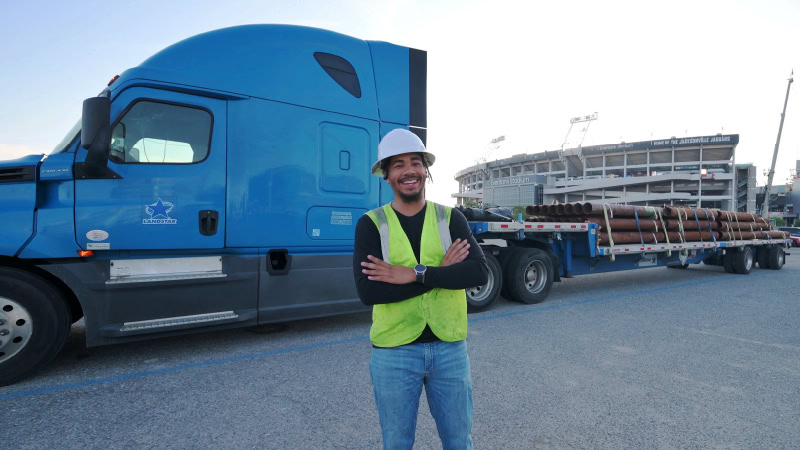
Building the Future: How Landstar’s Network Tackles Complex Logistics
How do you execute a game plan when a multi-year project is massive in scale and complexity? The EverBank Stadium project showcases Landstar’s core value proposition.
Read More