
Walmart’s $6 Billion Automation Strategy
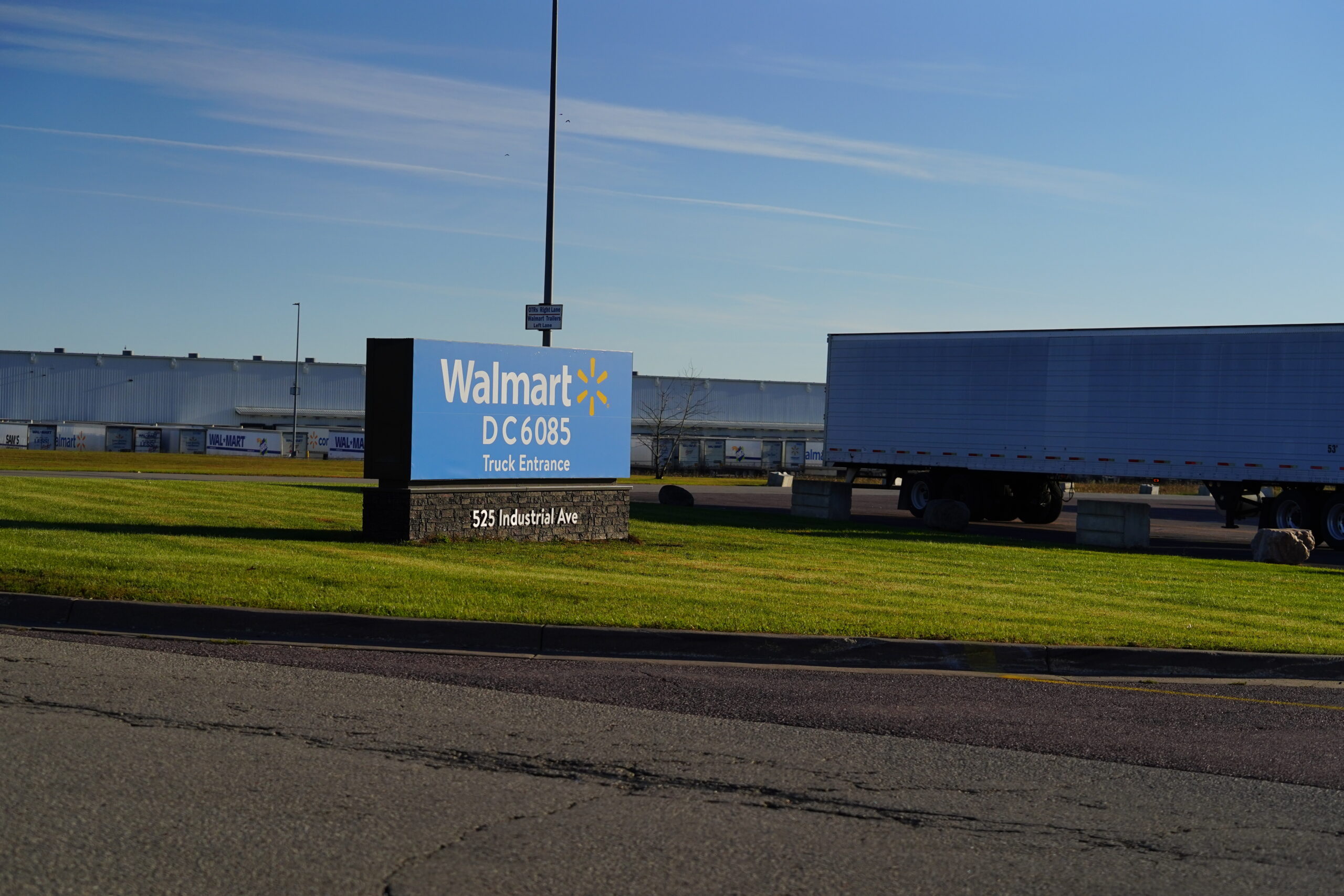

Recent marketplace chatter sparked an unfounded industry rumor that Walmart, facing intensifying digital retail pressure, is thinking of outsourcing fulfillment or even establishing a 3PL like Amazon Fulfillment Services. Nope.
Walmart is not ceding operational custody or offloading order execution to third parties. lf you’ve been out to Bentonville, you know they don’t think like that. Instead, the retail monster is embarking on a multi-billion-dollar spend program aimed at building Walmartian automation capabilities that are out of this world.
By vertically integrating high-throughput robotics directly into its supply chain, Walmart is modernizing its enterprise footprint to match and counter Amazon’s click-to-door delivery speeds and regional inventory density, all while holding on to the flow of boxes.
To safeguard ongoing operational continuity, Walmart is utilizing a multi-year phased implementation model across its 25 target regional distribution centers (RDCs). Staging rollouts prevents systemic bottlenecks, allowing facilities to commission robotic sub-assemblies alongside live existing operations without slowing current network throughput speed to their retail locations.
Importantly, the plan transforms RDCs from passive cross-docks built only for store restock to hybrid nodes capable of simultaneously serving omni-channel fulfillment centers, neighborhood pickup points, and store shelves stocking from a single unified pool of inventory. I bet the plan will function to feed their 300 new Zipline drone delivery service sites too.
Walmart leaders say that outsourcing fulfillment can create visibility challenges, margin leakage, and brand disintermediation. The thinking is that, besides the fulfillment benefits, a big investment in internal deployment infrastructure secures customer data used for pricing regimes, protects delivery promise integrity, and insulates enterprise operations from external platform dependencies and disruptions.
Finally, the thought is to bulk up long-term profit & loss margins by not offloading operational value to others. By focusing on the need for speed, eliminating internal cross-dock touches and deploying fast sorting robotics, the inventory velocity increases markedly. Faster inventory turns will lower working-capital drag, right?
Walmart’s capital investment reflects a belief that large infrastructure expenditures will control yield and provide other cost advantages when all is kept in house. But, $6 billion is a lot of yield to make up.
Can Walmart do it? They have the cash and they have the smarts. I bet they might.