
2026 READING GUIDE: There’s a Book For That!

These 15 top reads will help you address many key concerns likely to hit your supply chain in 2026.
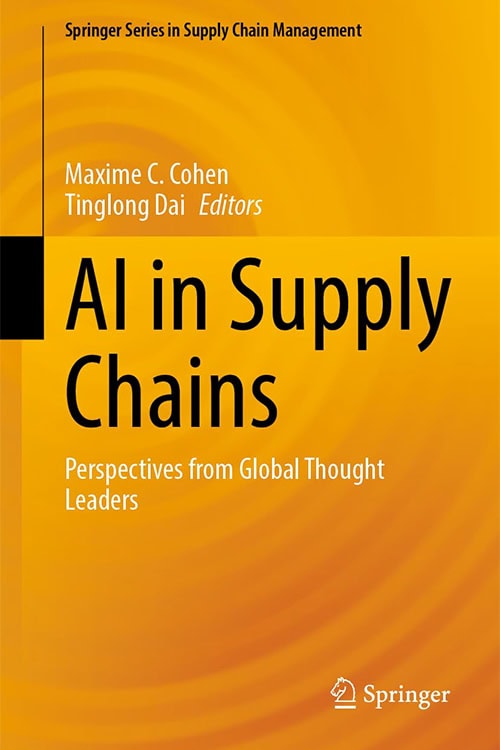 AI in Supply Chains: Perspectives from Global Thought Leaders
By Maxime C. Cohen and Tinglong Dai
Insights from top global experts highlight how AI is transforming supply chain management in areas including demand forecasting, inventory optimization, intelligent logistics, procurement, and ethical data usage. The book covers real-world case studies and analyses of the opportunities, challenges, and responsibilities that come with deploying AI.
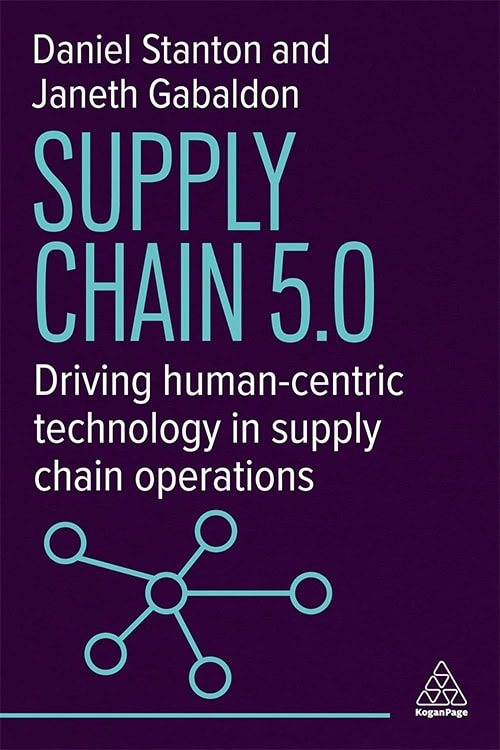 Supply Chain 5.0: Driving Human-Centric Technology in Supply Chain Operations
By Daniel Stanton and Janeth Gabaldon
Supply chain management is evolving toward a human-centric future where advanced technologies such as automation, AI, and IoT enhance resilience, sustainability, and collaboration. This book offers practical guidance and real-world examples to help professionals integrate into this supply chain 5.0 era.
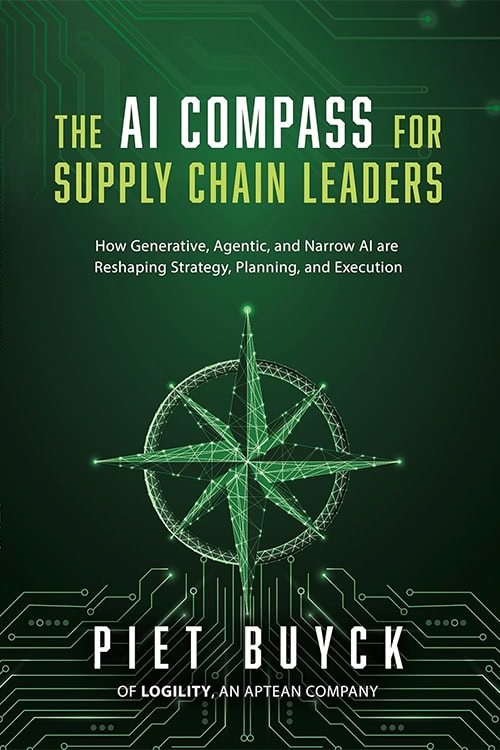 AI Compass for Supply Chain Leaders
By Piet Buyck
Logility SVP Piet Buyck offers supply chain professionals a practical guide to integrating AI with traditional planning in this new book. He outlines how generative, agentic, and narrow AI can work alongside human insight to improve forecasting, decision-making, and resilience in the face of volatility.
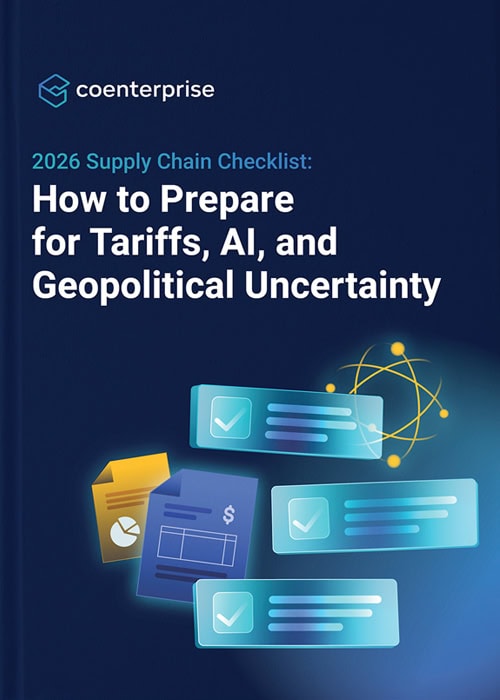 2026 Supply Chain Checklist: How to Prepare for Tariffs, AI, and Geopolitical Uncertainty
In this ebook from CoEnterprise, readers will find key strategies for resilience and AI adoption—both of which will be recurring themes in 2026. The checklist format enables actionable responses to challenges including tariffs, cybersecurity concerns, and geopolitical disruptions.
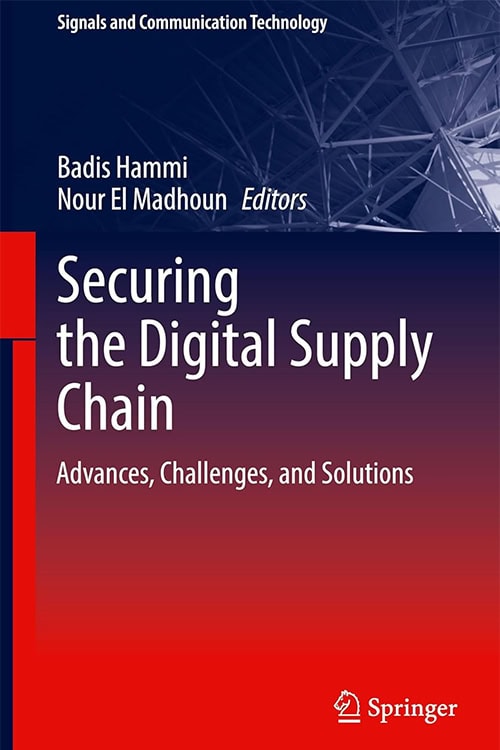 Securing the Digital Supply Chain: Advances, Challenges, and Solutions
Edited by Badis Hammi and Nour El Madhoun
Offering frameworks, blueprints, and strategic pillars for strengthening cybersecurity across interconnected systems, the editors explain how professionals can build resilient, transparent, and secure digital supply chain infrastructures. The book covers technical architectures, regulatory and organizational insights, and case studies.
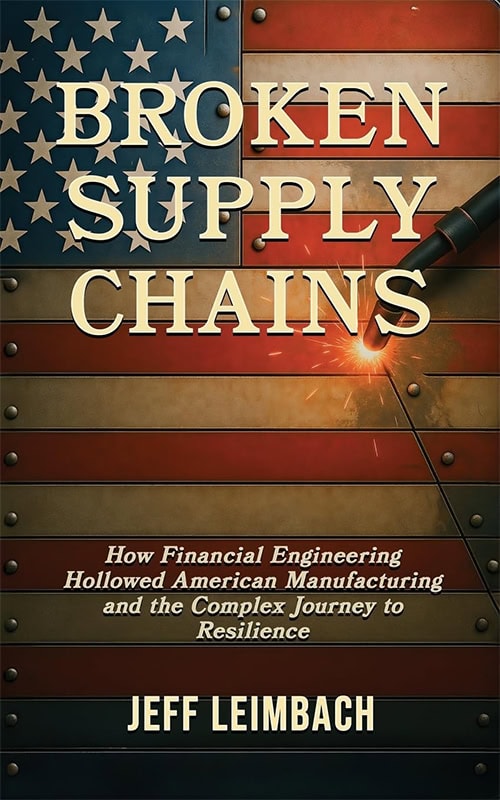 Broken Supply Chains: How Financial Engineering Hollowed American Manufacturing and the Complex Journey to Resilience
By Jeff Leimbach
Leimbach investigates how financial strategies and short-term profit motives eroded U.S. manufacturing and weakened supply chains. He shares case studies and analysis to reveal the structural causes of industrial decline and the loss of resilience, and outlines considerations for rebuilding stronger, more sustainable domestic production systems.
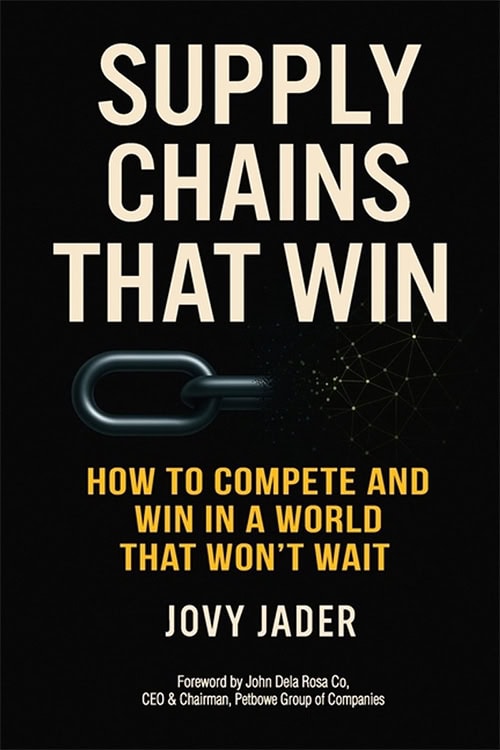 Supply Chains That Win
By Jovy Jader
Drawing on real business and operational examples, Jader explores how resilient leadership and strategic supply chain practices turn disruption into competitive advantage. The book highlights winning decision-making, adaptability, and execution approaches to follow.
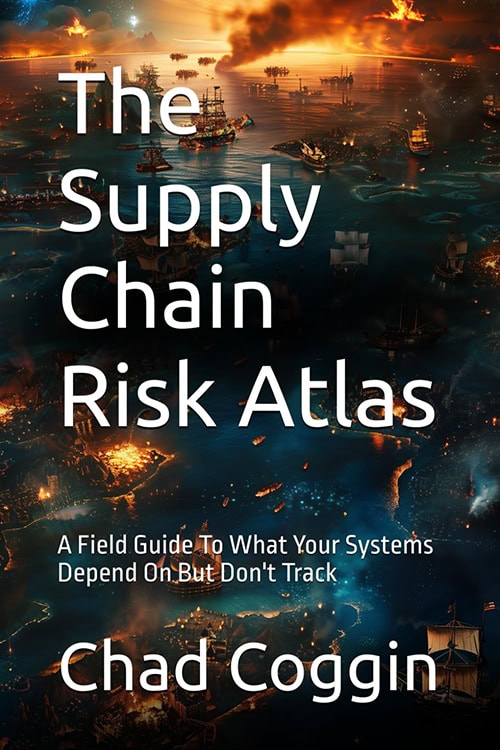 The Supply Chain Risk Atlas: A Field Guide To What Your Systems Depend On But Don’t Track
By Chad Coggin
This practical field guide helps executives and risk professionals identify hidden fragilities in complex supply networks before they cause failure. The book combines conceptual frameworks with real-world examples to map risks across systems, improve visibility, and strengthen organizational resilience against disruption.
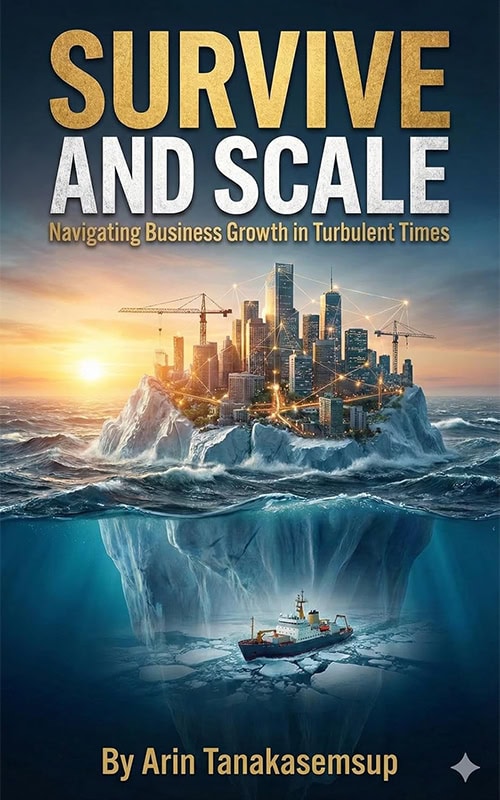 Survive and Scale: The Small Business Supply Chain Playbook
By Arin Tanakasemsup
Small businesses looking to grow must improve supply chain fundamentals such as inventory control, cash flow management, and cost efficiency, says Tanakasemsup. In this playbook, he offers practical guidance plus simple systems and tools to help operations scale more predictably.
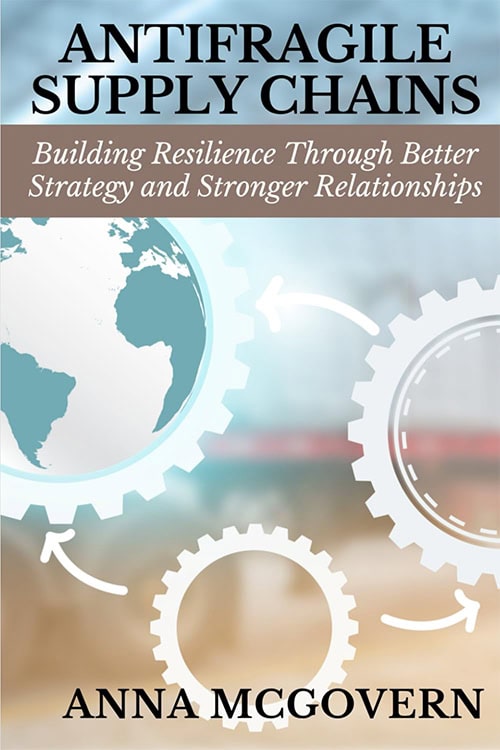 Antifragile Supply Chains: Building Resilience Through Better Strategy and Stronger Relationships
By Anna McGovern
What’s behind the “antifragile” buzzword? The idea that modern supply chains should go beyond mere resilience and be able to improve when exposed to stress and disruption. The book walks readers through strategic planning, stronger relationships, and adaptive systems that turn uncertainty into competitive advantage.
 Robotics in Supply Chain Management
By Jay Li Wei
This book explores how robotics and automation are transforming supply chain operations, focusing on warehousing and fulfillment. It highlights practical applications, efficiency gains, and the role of robotics in helping companies meet rising demand and labor challenges.
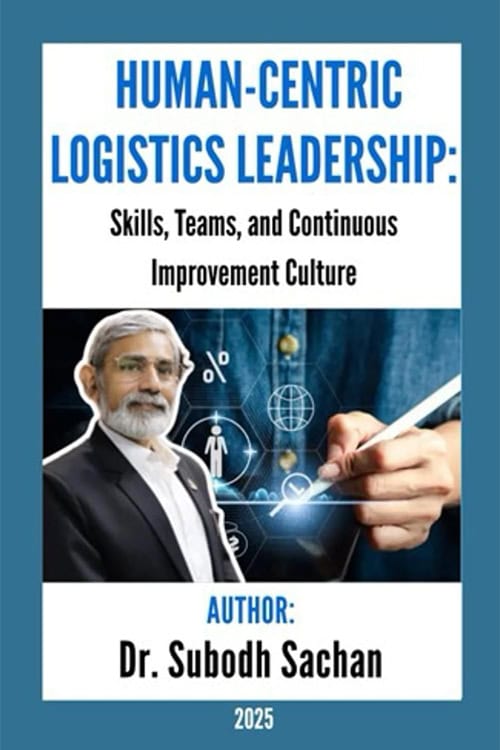 Human-Centric Logistics Leadership: Skills, Teams, and Continuous Improvement Culture
By Dr. Subodh Sachan
Despite the heavy presence of technology in logistics, Dr. Sachan argues that skilled, motivated teams drive performance more than technology alone. In this book, he covers leadership capabilities, team development, and continuous-improvement mindsets, showing how human judgment, collaboration, and culture shape resilient, efficient logistics operations.
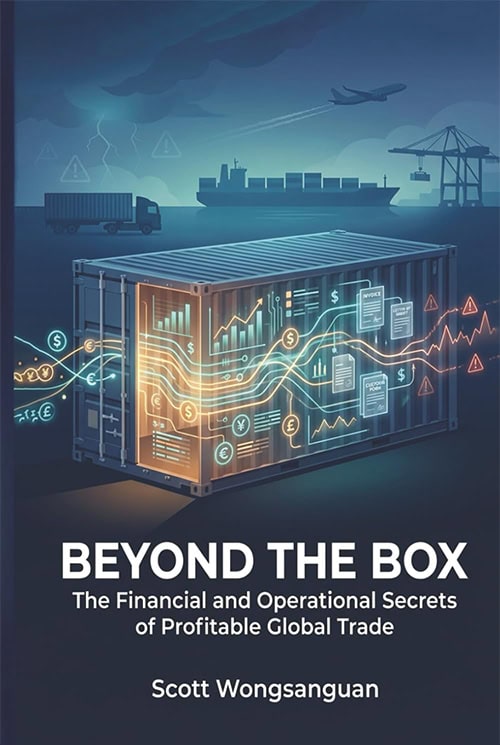 Beyond the Box: Financial and Operational Secrets of Profitable Global Trade
By Scott Wongsanguan
This book reveals financial and operational practices that help global shippers, freight forwarders, and trade professionals enhance profitability and efficiency. It examines key cost drivers; provides data‑informed strategies for optimizing freight, inventory, and cash flow; and shows how aligning operations with financial goals strengthens performance in complex trade environments.
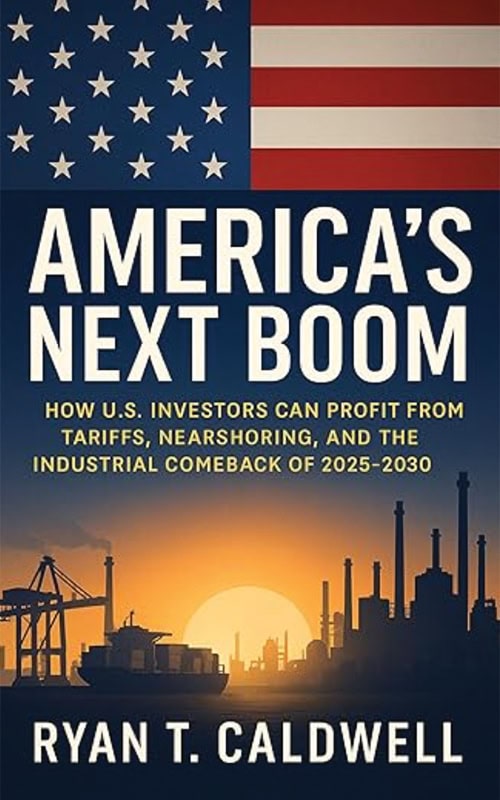 America’s Next Boom: How U.S. Investors Can Profit from Tariffs, Nearshoring, and the Industrial Comeback of 2025–2030
By Ryan T. Caldwell
Could nearshoring drive the next industrial boom? Caldwell thinks so. He discusses the strategic, economic, and logistical forces reshaping production and trade, highlighting opportunities and challenges in building resilient regional supply chains.
 Leading From the Floor: What New Warehouse and Manufacturing Managers Need to Know
By Devin Galloway
Share this book with your warehouse or manufacturing floor manager: it offers practical insights on the essential team management, communication, safety, performance expectations, and floor-level decision-making needed to run efficient distribution, fulfillment, and production operations.