
Freight Mode Optimization: When to Shift Between Road, Sea, and Air in a Volatile Market
Freight markets remain unpredictable, with rates fluctuating, capacity tightening, and disruption affecting all modes at different times. For businesses moving goods within the UK and internationally, transport decisions can no longer be treated as fixed. They require regular review and adjustment in line with changing conditions.
What Is Freight Mode Optimization?
Freight mode optimization refers to selecting the most suitable transport option based on cost, speed, reliability, and risk. In a volatile market, this often involves switching between road, sea, and air in response to operational pressures. The ability to make these decisions at the right time has a direct impact on cost control, service levels, and overall supply chain performance.
Looking Beyond Freight Rates
Transport plays a significant role in determining the total landed cost of goods. Logistics costs account for 10–15% of the cost of a finished product for European companies. However, focusing solely on freight rates can lead to wider inefficiencies. Lower-cost transport options can introduce delays that result in stock shortages, production downtime, or the need for urgent replacement shipments at a premium rate. At the same time, relying too heavily on faster modes such as air freight can lead to increased inventory holding costs and reduced cash flow efficiency. In practice, the most effective approach is to balance transport costs with the operational requirements of the business.
Comparing Transit Times Across Modes
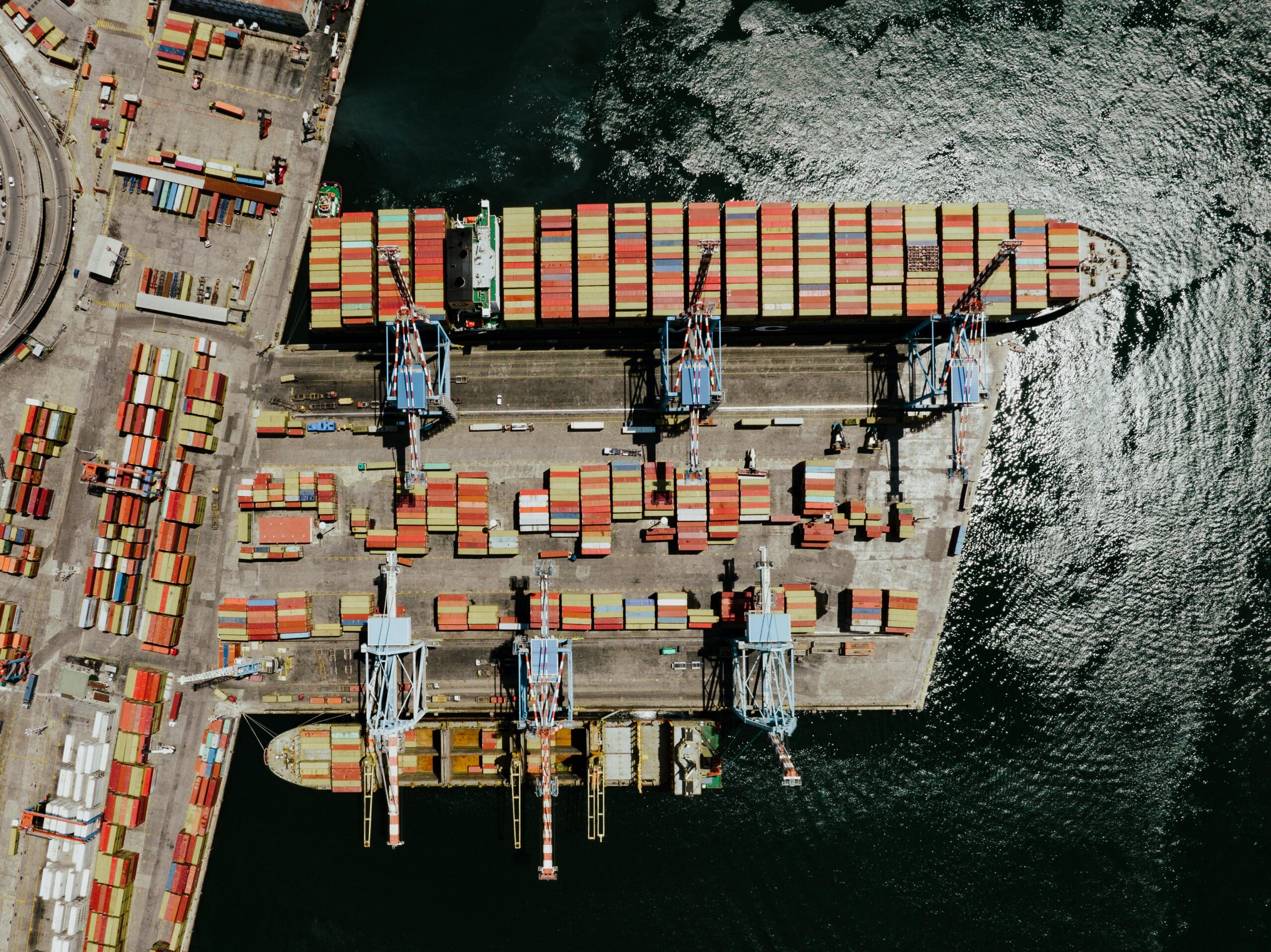
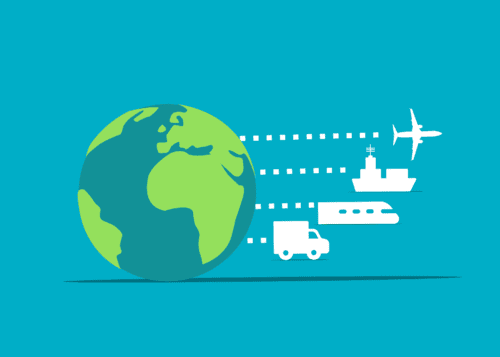
Transit time is often the primary consideration when selecting a freight mode. Air freight offers the shortest lead times and is typically used for urgent shipments, high-value goods, or time-sensitive supply chains. Sea freight, while slower, provides the most cost-effective solution for larger volumes and planned shipments where longer lead times can be accommodated. Road freight sits between the two, offering a balance of speed and cost, particularly for domestic UK movements and trade across Europe. The challenge for businesses is to align these options with realistic delivery expectations and inventory planning.
How Cargo Type Influences Mode Choice
The type and value of cargo also influence decision-making. High-value goods are more sensitive to delays and may justify the higher cost of air freight in order to reduce transit time and risk exposure. In contrast, bulk or low-margin goods are better suited to sea freight, where the lower cost per unit supports overall profitability. Certain products may also require specific handling or regulatory compliance, which can further influence the choice of transport.
When to Shift from Sea Freight to Air Freight
One of the most common shifts in freight strategy occurs when businesses move from sea to air. This is typically driven by disruption or urgency. Port congestion, missed sailings, or extended transit times can create significant delays in ocean freight schedules. When stock levels begin to fall and there is a risk of impacting sales or production, air freight provides a faster and more reliable alternative. This is particularly relevant in sectors with tight supply chains or seasonal demand patterns. In many cases, businesses do not switch entirely but instead move a portion of the shipment by air to maintain continuity while the remainder continues by sea.
When to Move Back from Air to Sea
The reverse scenario, moving from air to sea, is often driven by cost considerations once stability returns. Air freight, while effective in urgent situations, is rarely sustainable as a long-term solution due to its higher cost. When demand becomes more predictable and inventory levels are sufficient, businesses can transition back to sea freight to reduce expenditure. This requires careful planning, including adjustments to reorder points and supplier lead times, to ensure that the longer transit does not reintroduce the risk of shortages.
The Role of Road Freight in UK and European Supply Chains
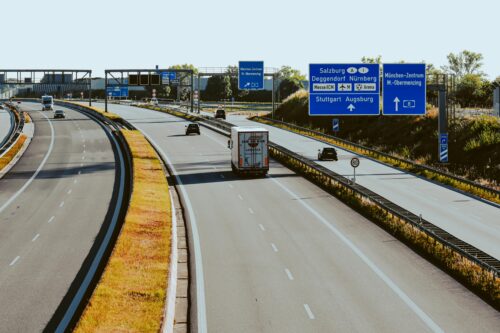
Road freight continues to play a central role, particularly within the UK and across European supply chains. Its flexibility and door-to-door capability make it well-suited to palletized freight, groupage shipments, and time-sensitive regional deliveries. Compared to sea freight, road transport offers shorter transit times for intra-European movements, while remaining more cost-effective than air. However, it is not without challenges. Driver shortages, regulatory changes, and border processes can all affect reliability, particularly for cross-border shipments. These factors must be considered when planning transport strategies.
Freight Optimization Through Multimodal Solutions
In many situations, the most effective solution is not a single mode but a combination of modes. Multimodal transport allows businesses to optimize both cost and transit time by using different methods at different stages of the journey. For example, goods may be transported by sea over long distances and then distributed by road upon arrival. Alternatively, a sea-air combination can be used to reduce overall transit time without incurring the full cost of air freight. These approaches provide greater flexibility and can help mitigate the impact of disruption in any one mode.
Managing Volatility in Freight Markets
Managing volatility in freight markets requires continuous monitoring and a willingness to adapt. Market conditions can change quickly, and businesses that rely on a single transport strategy may find themselves exposed to rising costs or service failures. Regular review of freight rates, transit times, and capacity constraints is essential. Working with experienced logistics partners can also provide valuable insight, enabling quicker responses to market changes and access to alternative solutions when needed.
Freight Optimization and Inventory Planning
Inventory planning is closely linked to freight decisions. Accurate forecasting reduces the need for urgent shipments and allows businesses to take advantage of more cost-effective transport options. At the same time, maintaining appropriate safety stock levels can provide a buffer against delays. The relationship between transport mode and inventory strategy should be considered as part of a wider supply chain approach, rather than in isolation.
Freight mode optimization is ultimately about making informed decisions based on current conditions rather than fixed assumptions. Each mode has its place, and the most effective strategies are those that remain flexible. In a volatile market, the ability to switch between road, sea, and air at the right time provides a clear operational and commercial advantage.