
No One Moves Freight Alone. IMCs and 3PLs Determine Who Wins.
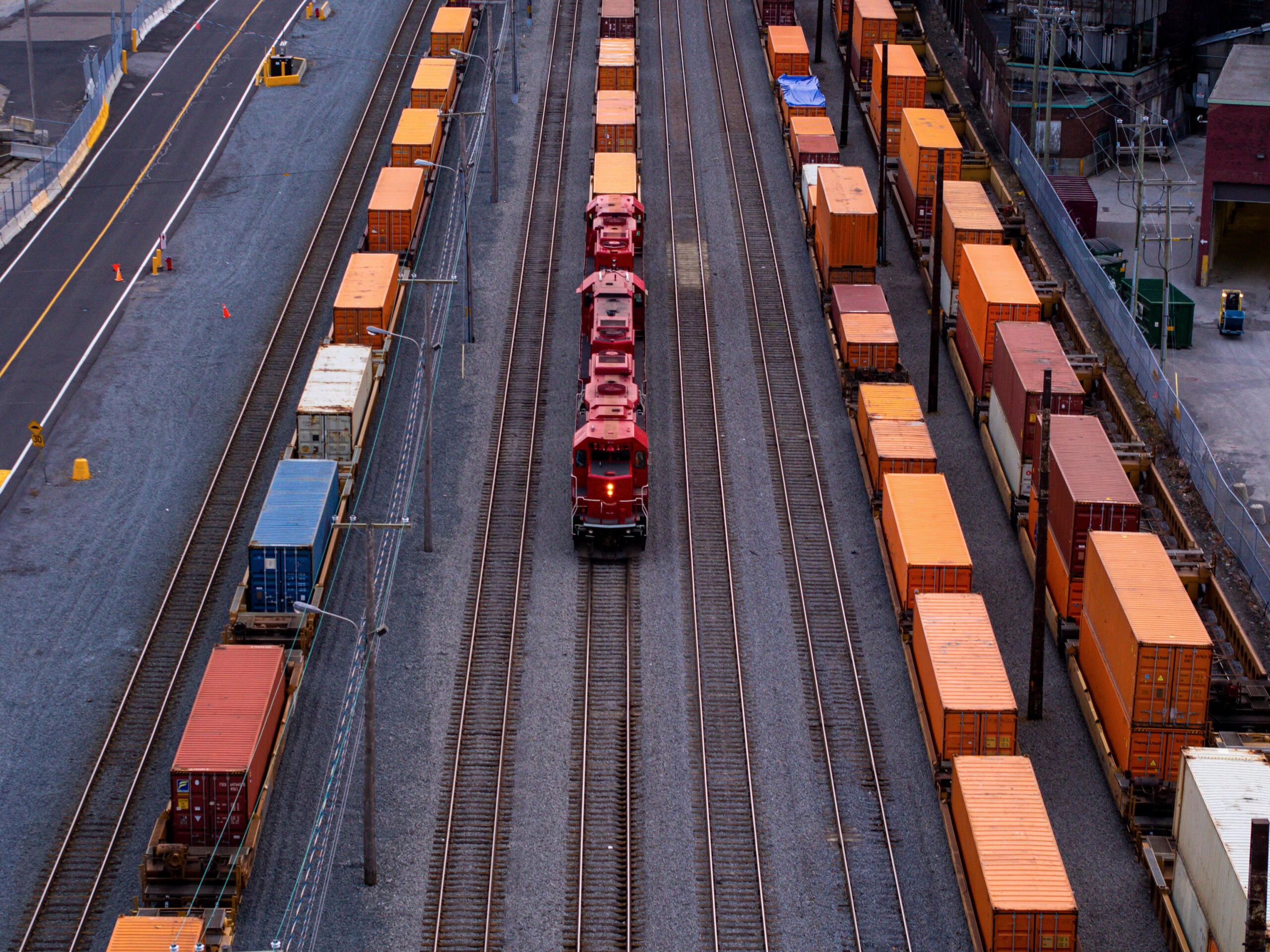

Freight markets shift in cycles. This one is being driven largely by trucking, not intermodal, with capacity attrition pushing freight to rail. Whether intermodal keeps that freight is a different question, and the answer starts with a function most of the industry still gets wrong. It’s the function that intermodal marketing companies perform every day – and the industry name highlights only one part of its core functions.
“Intermodal Marketing Companies” are command-and-control operations, not marketing operations. They orchestrate freight across railroads, motor carriers, equipment providers, terminals and technology systems, simultaneously.
When something breaks, in most cases it is the IMC or 3PL that steps in and owns the fix, regardless of where in the chain the issue started. That is a sophisticated capability, and one the industry’s own language has never captured. Start with the basic distinction: every IMC functions as a 3PL for its customers but not every 3PL operates as an IMC. Closing the gap between what IMCs and 3PLs actually do and how they are understood by shippers, by policymakers and by the industry itself is one of the most valuable investments available right now.
The timing could not be better. Intermodal’s growth story is real. 2025 was the second-strongest year on record. Volume is running above its pre-pandemic baseline. Nearshoring is showing up in the data, with northbound Mexico intermodal up nearly 20% year over year. And a large pool of long-haul truck freight still sits in intermodal’s conversion range, waiting for service and price to align.
That is a strong hand to play. The question is where the industry chooses to invest to make the most of it.
First-Timers, New Complexity
Much of the freight moving to rail right now is doing it for the first time. Long-haul trucking has run well ahead of intermodal off the same pre-pandemic baseline, which means the conversion opportunity the industry has talked about for years is finally showing up as actual volume, actual routing guides, actual first-time shippers testing the mode. At the same time, cross-border volume from Mexico is climbing fast, adding new complexity, new documentation and new coordination requirements to networks built for this trade lane.
Both trends land in the same place: on the desk of the IMC or 3PL turning that complexity into something a shipper can easily comprehend. That is not a back-office function. It is one of the clearest points of leverage the industry has for converting today’s momentum into durable growth.
The stakes are straightforward, and they cut in intermodal’s favor when IMCs and 3PLs get it right. Shippers who try intermodal during a tight truck market and have a good experience become long-term customers. The work now is making sure that outcome is the norm rather than the exception, especially for shippers discovering the mode for the first time.
The Expertise Behind the Handoff
Freight doesn’t manage itself. Neither does the complexity behind it. The IMCs and 3PLs managing today’s surge in first-time shippers carry institutional knowledge that does not show up on a rate sheet. That’s the experience required to anticipate where a shipment will break down, to navigate exceptions before they become failures, and to translate the complexity of intermodal into a shipper experience that builds confidence.
As volume grows and the mode continues to attract freight that has never moved by rail, that expertise becomes one of intermodal’s most valuable and least visible assets. Developing and retaining it deserves the same deliberate investment the industry brings to capacity, technology and infrastructure.
The industry has spent this year, rightly, talking about readiness, visibility and trust. IMCs and 3PLs are already doing this work. Naming and messaging it correctly instead of overlooking it is how this moment becomes intermodal’s next chapter, not another cycle that came and went.