
75 Green Supply Chain Partners
The annual Green 75 awards recognize supply chain companies, 3PLs, and carriers that exhibit exceptional environmental stewardship, sustainable operations, and a commitment to going green every day.
If you would like detailed information about the G75 from their web sites go here.
A. Duie Pyle
www.aduiepyle.com
A. Duie Pyle’s cornerstone initiative is the CleanJourney Renewable Diesel Program, a book-and-claim solution that enables shippers to reduce supply chain emissions without operational disruption. To date, the program supported 10,000+ shipments, helping eliminate 225,000+ pounds of CO₂e. The company’s fleet and facility investments include aerodynamic technologies, automated speed controls, advanced telematics and eco-efficient routing. Achievements include a 75% reduction in PM2.5 emissions, a 570,000-square-foot solar-powered warehouse, and 58% electrified forklifts. Pyle also integrates sustainability into shared LTL networks through shipment-level emissions allocation and transparent reporting.
AAA Cooper Transportation
www.aaacooper.com
AAA Cooper Transportation improves MPG through fuel-efficient tractors with automatic transmissions that improve RPM control during shifting, side skirts on trailers to improve the overall drag coefficient, and improved tire compositions and setups that lead to reduced rolling resistance. LTL system flow improvements enhance loaded fill rates, reducing the miles per shipment required. The company recycles used oil, used oil filters, antifreeze, batteries, and scrap steel, and continues to expand the use of renewable diesel options. It expanded its use of biodiesel options and utilizes alternative fuel/power options with electric trucks.
AIT Worldwide Logistics
www.aitworldwide.com
In 2025, AIT made significant progress toward its long-term sustainability goals: sustainable aviation fuel purchases resulting in the abatement of 34,500 mt CO2; 1,000 home deliveries with electric vehicles across six U.S. markets; 5,000 heavy-duty EV moves; 5,000 heavy-duty hydrotreated vegetable oil (HVO) moves; two Class 8 EV tractors added to the company’s fleet. In Europe and the U.K., AIT’s fleets are on track to achieve 20% hydrotreated vegetable oil usage or more before the end of 2026. AIT participates in Smart Freight Centre, Zero Emission Maritime Buyers Alliance, I-10 Shipper-Carrier Coalition, and Electrifying Drayage Alliance.
Alliance Shippers
www.alliance.com
Alliance Shippers’ refrigerated containers have two-way cellular tracking devices that draw power from a solar-powered battery source within its refrigeration units, allowing the company to continuously track the GPS location on its assets as well as monitor temperature, check for fuel levels, and turn the refrigeration unit on and off at any time. Utilizing the most current technology enables Alliance to move refrigerated goods via rail, which reduces CO2 output by approximately 67% or one billion pounds vs. over-the-road transport.
Americold
www.americold.com
In 2025, Americold reduced Scope 1 and 2 emissions by 21%, driven by energy‑efficiency investments, renewable energy expansion, and the Americold Operating System, which standardizes best practices across its global network. Nearly 24% of facilities hold energy‑efficiency certifications, and 43 facilities are certified under leading green building standards. Twenty facilities achieved ENERGY STAR certification and 203 sites are enrolled in the GCCA Energy Excellence program. Americold’s sustainability investments avoided 5,505 MTCO₂e in GHG emissions in 2025, while renewable energy initiatives driven by seven new solar installations generated 30,822 MWh. Across its operations, 68.7% of global warehouse space now utilizes energy‑efficient LED lighting and 24.4% of waste was diverted from landfill.
ArcBest
www.arcb.com
In 2025, ArcBest enhanced internal systems and processes to support long-term sustainability progress. The company also expanded disclosure, reporting certain Scope 3 GHG emissions for the first time alongside Scope 1 and Scope 2. Through proprietary City Route Optimization (CRO) technology, ArcBest improved routing efficiency and reduced emissions in its ABF LTL network. In 2025, CRO was scaled to 150+ service centers with dynamic routing, delivering $15 million in savings and avoiding ~4,942 metric tons of CO₂e since implementation. ArcBest increased its electric yard tractor fleet by 50% and has 14 units deployed across key service centers. It also added 600+ new tractors in 2025, maintaining a young fleet (average 1.5 years for road units), which improves fuel efficiency and reduces emissions.
Arvato SE
www.arvato.com
Since 2008, Arvato has collected environmental data across its sites and for client-specific environmental reporting and transport emissions data. Since 2023, it has sourced renewable electricity through renewable tariffs and, where unavailable, I-REC certificates for sites with annual electricity consumption above defined thresholds. Arvato continues to expand on-site solar, phase out fossil fuel-based heating systems, and electrify its transportation fleet. Selected locations are certified to ISO 14001 and/or ISO 50001, alongside certifications such as BREEAM or LEED, and the company is working toward zero-waste certifications at selected sites. The company supports circularity for its client shippers through return flows, refurbishment, and light repair models that extend product life, reduce waste, and support refurbished-product markets. Arvato tests and scales lower-impact materials and processes, including reusable packaging and automation, in its logistics operations.
Ascent Global Logistics
www.ascentlogistics.com
Ascent Global Logistics’ formal ESG program focuses on reducing emissions, improving energy efficiency, and strengthening responsible business practices across its network. By increasing SmartWay carrier usage and optimizing routes/mode selection, the company reduced combined Scope 1 and 2 emissions by 22% over a recent reporting period. Sustainable office initiatives include replacing legacy HVAC units with high-efficiency models, transitioning most buildings to LED lighting, and following LEED-inspired renovations to reduce energy use and optimize natural light and space. A sustainable procurement policy prioritizes high-performing suppliers, encourages eco-friendly materials, and promotes waste reduction and recycling across Ascent Global Logistics’ supply chain.
Averitt
www.averitt.com
A founding member of the EPA’s SmartWay program since 2004, Averitt has reduced CO₂e emissions by 36% and NOx emissions by 84%. Its “Power of One” network model improves supply chain efficiency by reducing empty miles, consolidating freight, and optimizing routes. Averitt continues to invest in fuel-saving technologies, including aerodynamic trailer skirts (saving more than 6.4 million gallons of diesel and reducing emissions by 144 million pounds), auxiliary power units, and automatic tire inflation systems. Averitt also emphasizes circular resource management, recycling 100% of used oil and repurposing or recycling 100% of tires, and working to integrate electric forklifts into its distribution and fulfillment network. Recently, the company began to deploy electric yard tractors and supporting infrastructure in several LTL service centers to further reduce emissions within the fleet.
Bison Transport
www.bisontransport.com
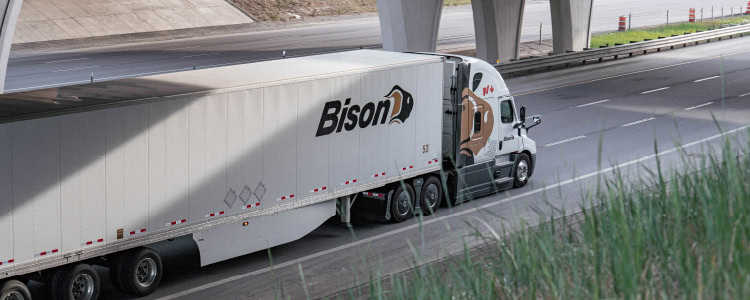
Bison has committed to reducing carbon emissions per mile by 50% by 2035, aligning its operations with broader net-zero objectives and embedding sustainability as a core company value. Its modern, fuel-efficient fleet, AI-driven route optimization, and network design reduce fuel consumption and overall environmental impact across North American supply chains. Operational initiatives include intermodal transportation solutions that shift freight from road to rail to reduce emissions, comprehensive recycling programs (including tires, oil, batteries, and e-waste), and energy-efficient facilities with LED lighting and water-conservation systems. Bison is also actively testing next-generation technologies such as hydrogen-powered vehicles to further decarbonize freight. Bison has consistently earned High Performer and Excellence Awards from SmartWay for emissions and fuel efficiency.
BlueGrace Logistics
www.mybluegrace.com
BlueGrace Logistics delivers emissions reporting aligned with the Global Logistics Emissions Council framework, giving customers actionable insights into their CO2 footprint to make more sustainable shipping decisions. BlueGrace’s proprietary optimization software produced significant results across its customer base: 926,230 orders consolidated into 505,753 loads, 518 million fewer miles traveled, 131 million fewer pounds of CO2 emissions, and $13.9M in reduced freight costs. Its Vision platform enables businesses to track, benchmark, and reduce their carbon footprint aligned with Department of Energy and SmartWay guidelines. BlueGrace also conducts Brownfield network studies, analyzing the impact of adding distribution sites to a customer’s existing network, now expanded to include Scope 3 emissions impact analysis.
BNSF Railway
www.bnsf.com
BNSF Railway continues to invest in fuel efficiency, emissions reduction, and network optimization as part of its broader sustainability strategy. The company has expanded the use of energy management technologies, locomotive modernization programs, and intermodal rail services that help reduce truck traffic and related emissions. In 2025, BNSF reduced its GHG emissions 20% since 2018–two-thirds of the way to its 2030 target. The railroad has also increased investments in renewable energy procurement and facility efficiency projects while supporting supply chain customers seeking lower-carbon transportation options. Safety improvements and reduced fuel consumption remained key operational performance priorities throughout recent reporting periods.
Breakthrough
www.breakthroughfuel.com
Breakthrough’s end-to-end transportation emissions management solution, CleanMile, provides shippers with actionable intelligence to reduce emissions while scaling operations. CleanMile enables shippers to track emissions, create an actionable plan, and execute reduction initiatives. In 2025, CleanMile clients increased their alternative energy utilization by an average of 33% and reduced emissions intensity by 6%. The company recently launched the scenario planner and custom report builder tools. The scenario planner enables shippers to forecast emissions, map their reduction journey, simulate strategies, and adjust roadmaps. With lane-, carrier-, and mode-level analysis, shippers can preview decision effects, driving smarter action toward goals. Custom report builder analyzes real-time emissions data to create tailored reports for internal and external sustainability requirements and strategic planning.
Brown Integrated Logistics
brownintegratedlogistics.com
Brown Integrated Logistics embeds sustainability into its organizational structure by appointing a dedicated ESG initiative leader. The company has also integrated environmental, social, and governance principles into its “DELIVER” core values, creating a framework that informs both operational decision-making and relationships with external partners. Brown is implementing a comprehensive Environmental Management System to better measure, monitor, and report sustainability performance. The company is also evaluating operational areas that contribute to carbon emissions, with a focus on improving mileage utilization and testing emerging technologies to reduce its carbon footprint. Teams are working to minimize the use of single-use products, expand reuse opportunities, and collaborate with local recycling organizations to divert more materials from landfills.
CEVA Logistics
cevalogistics.com
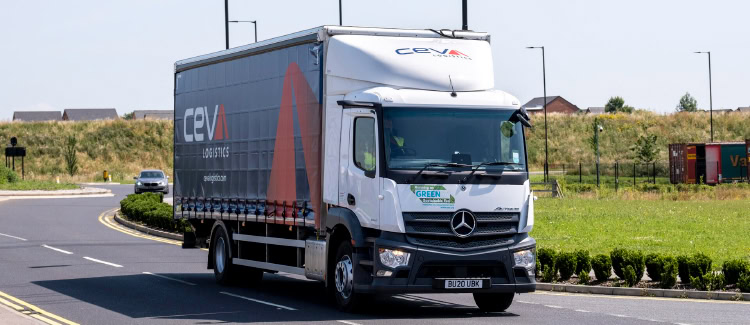
CEVA Logistics has formally committed to the SBTi since March 2025. Its decarbonization approach focuses on sustainable warehouses, low-carbon fleet operations, and low carbon transport solutions. Through the CEVA FORPLANET suite, the company enables customers to reduce emissions via CO₂ measurement, modal shift, alternative fuels, and circular logistics solutions. Results include up to 90% CO₂ reduction through modal shift and alternative fuels, and 24,000+ tons of CO₂ avoided annually through sustainable fuel programs. CEVA is targeting 1.8 million m² of solar panels by 2026, increasing use of low-carbon electricity, and transitioning toward 100% LED lighting and electrified material handling equipment. It is also deploying electric vehicles, biofuels, and rail solutions, alongside partnerships supporting wind-assisted and alternative fuel shipping vessels.
C.H. Robinson
www.chrobinson.com
C.H. Robinson continues to advance sustainability initiatives through technology, operational efficiency, and industry collaboration. The company expanded customer-facing sustainability tools and increased the use of alternative fuel solutions globally, providing shippers with improved emissions insights and access to lower-carbon transportation options. It logged nearly 3 million miles using alternative fuel and electric vehicles. C.H. Robinson also partnered with organizations including Smart Freight Centre, RailGreen, and electric freight corridor initiatives to support lower-emissions freight networks and strengthen supply chain resilience. Internally, the company leveraged Lean AI and automation to improve shipment optimization and operational efficiency while supporting carriers and investing in trucking community health and education initiatives.
CHEP
www.chep.com
CHEP, a Brambles company, shares, repairs and reuses its ~350 million assets globally, eliminating waste and reducing emissions. Key achievements of the Brambles 2025 Sustainability Program included exceeding reforestation targets, increasing recycled and upcycled plastics to 41.4%, and cutting value-chain greenhouse gas emissions by 17.2% while maintaining 100% renewable electricity. Moving forward, 2030 targets include regenerating two hectares of land for every hectare required for timber needs, reducing Scope 1 and 2 emissions by 42% and Scope 3 emissions by 17%, and progressing toward net-zero by 2040. The program also aims to direct 80% of product waste into net-positive solutions, replace 80% of virgin plastics with circular materials, and drive sustainability collaborations with 1,000 global partners.
CJ Logistics America
america.cjlogistics.com
CJ Logistics aims to achieve net-zero by 2050 with global plans to enhance energy efficiency, transition to eco-friendly transport (such as electric and hydrogen-powered vehicles), and build the necessary infrastructure. To mitigate transportation-related carbon footprints, CJ Logistics implements consolidated shipping, maintains a strict “no idle” policy, and holds SmartWay certification. Furthermore, regular, large-scale network modeling projects optimize routes and facility locations, which, in addition to reducing costs, establish a more sustainable network with a lowered carbon footprint. CJ Logistics actively collaborates with customers to help realize their objectives for CO2 reduction, water conservation, and waste minimization.
Covenant Logistics
www.covenantlogistics.com
Reducing emissions and improving efficiency across its operations, Covenant Logistics uses alternative fuels like biodiesel (B100) and renewable diesel, tests electric equipment, and modernizes its fleet with fuel-saving and aerodynamic upgrades. These efforts, along with improved route optimization, help reduce unnecessary miles and overall fuel consumption. Covenant Logistics has reduced more than 203,000 metric tons of CO2 and saved more than 20 million gallons of fuel through fuel-saving technologies and operational improvements. It also prioritizes responsible resource use, including recycling programs and circular economy efforts. In parallel, the company invests in driver training, facility efficiency, and sustainable procurement practices. Covenant was named DHL’s Sustainability Carrier of the Year and received the TRANSTEX Sustainability Award for measurable emissions reduction.
Crowley
www.crowley.com
In 2025, Crowley commenced operation of four LNG-fueled, Avance Class newbuild vessels as well as advanced access to lower-carbon energy through American Energy, the first U.S.-flagged LNG carrier dedicated to delivering domestically sourced LNG to Puerto Rico. Crowley continues to integrate lower intensity solutions, including upgraded equipment and infrastructure designed to reduce emissions and energy use. The company expanded its fleet of hybrid vehicles and Tier 4 terminal tractors and launched electric terminal tractor pilot programs and facility power enhancements to support electrification. In 2025, the company marked the 10-year milestone of its maintenance and asset life-extension programs, which eliminated the need to purchase more than 80,000 tires through retreading, saved 4.6 million liters of oil, and diverted thousands of tons of material from disposal. Its truck-to-rail initiatives avoided an estimated 64,300 metric tons of greenhouse gas emissions.
CSX Transportation
www.csx.com
CSX continues to integrate environmental sustainability with its broader business strategy, while advancing alternative fuel solutions, such as biofuels. In April 2024, CSX unveiled its first hydrogen-powered locomotive as it continues to pilot other low-carbon and alternative-fuels technologies and fleet upgrades. CSX launched its Climate Transition Plan in mid-2025, demonstrating its commitment to leading the transition toward a low-carbon economy. CSX continues to champion environmentally sustainable solutions through engagements with like-minded industry partners, customers, and top suppliers to further progress across its supply chain. In 2024, CSX helped customers avoid more than 10 million tons of CO2 emissions.
DHL Group
www.dhl.com
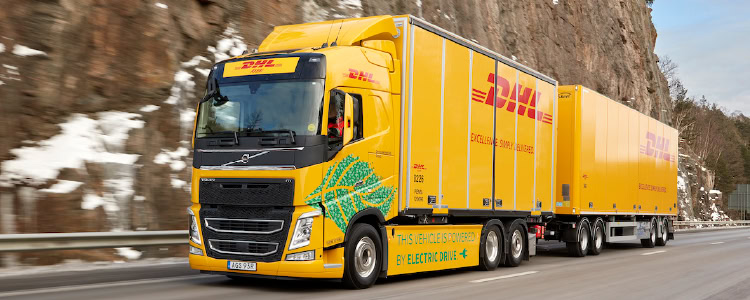
Accelerating decarbonization measures across operations, DHL set aggressive 2030 targets, including electrifying 66% of its last-mile delivery vehicles, establishing carbon neutral design for all new buildings, and reducing greenhouse gas emissions to less than 29 million metric tons of carbon (from 40 million metric tons). Beyond its 2030 goals, the company is aiming to achieve net-zero emissions by 2050. Expanding its green offerings for shippers, DHL will increase sales of GoGreen Plus services, offer and invest in tailored customer solutions such as dedicated fleets, and establish new markets by integrating low-carbon logistics as the market standard, e.g., in ecommerce parcel shipping.
Dimerco Express Group
www.dimerco.com
Dimerco Express Group integrates sustainability into its operations, digital platforms, and customer solutions to deliver verifiable carbon reduction across global supply chains. Establishing 2023 as its baseline year, Dimerco set a target to reduce Scope 1 and 2 emissions by 30% by 2030, with a 2050 goal of achieving 100% renewable electricity for offices. Dimerco leverages EcoTransIT World—certified by Smart Freight Centre—to provide customers with auditable emissions data across air, ocean, and land transport. Since 2024, Dimerco has participated in Cathay Pacific’s Corporate SAF Programme. Dimerco’s SAF solutions enable customers to achieve credible, reportable emissions reductions. Through MyDimerco, its digital platform, the company enables shipment-level visibility, reduces paperwork via e-AWB adoption, and improves operational efficiency.
Echo Global Logistics
www.echo.com
Echo works with shippers and carriers to adopt procedures that reduce fuel emissions, waste, and pollutants. The company leverages solutions that produce fewer emissions than traditional over-the-road transportation, adopts recycling practices, increases the use of environmentally acceptable materials, and promotes environmental awareness. Echo is certified in ISO 14001: 2015, meaning its environmental management system meets ISO standards. Echo has ranked number one in multiple SmartWay Carrier Performance Rankings categories and has helped avoid approximately 38,270 metric tons of CO2. Echo’s systems track and report clients’ carbon footprints and provide opportunities to manage them. In addition, Echo offers transportation solutions such as rail shipping and retail consolidation, which reduce fuel consumption, emissions, and empty miles.
Estes Express Lines
www.estes-express.com
Setting a goal of net-zero emissions by 2050, Estes’ initiatives include generating nearly 3.2 million kWh of solar electricity across 12 service centers, with plans to add 28 more solar arrays by 2030. Its fleet includes electric forklifts, 12 electric Class 8 tractors, biodiesel units, and 164 CNG tractors which reduce GHG emissions by 70% when using CNG and more than 50% with RNG. AI-powered tools such as Optym’s HaulPlan and Routemax technologies optimize routing, reduce empty miles, and improve fuel efficiency. Estes also implemented electronic delivery receipts and launched an allocated emissions reporting program that provides customers with shipment-level emissions data.
Evergreen Marine
www.evergreen-marine.com
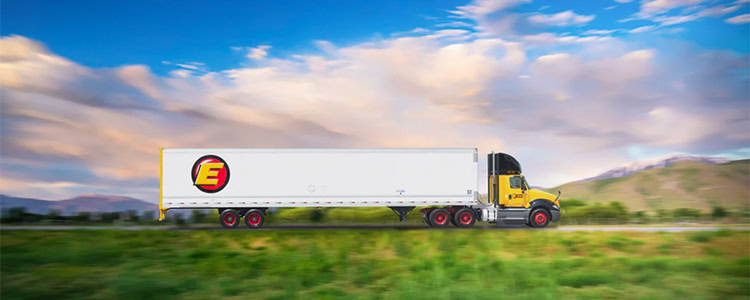
Evergreen Marine continues to expand its methanol dual-fuel fleet, placing orders for six new 2,400 TEU methanol dual-fuel vessels in 2024. In total, 60 new environmentally friendly ships are scheduled for delivery between 2025 and 2029 to be deployed across Evergreen Marine’s global routes. The new vessels are equipped with dual-fuel engines and generators that reduce SOx and NOx emissions, as well as feature various energy-saving technologies. Evergreen Marine monitors GHG emissions from its own fleet and chartering ships. In 2024, the CO2 emission rate of the fleet operated by the company and its subsidiaries was 32.6g/TEU-km (verified by ClassNK and Clean Cargo), reflecting a 67.5% decrease from the 2008 baseline.
FedEx
www.fedex.com
To achieve carbon neutral operations by 2040, FedEx is converting its entire parcel pickup and delivery fleet to zero-emission electric vehicles. The company continues to invest in alternative fuels as well as in efficient facilities, renewable energy, and other energy management programs. Largely due to fleet modernization initiatives, the company hit its 30% aircraft emissions intensity reduction goal with a 31% reduction in fiscal year 2024 (baseline 2005). Since 2023, FedEx has helped more than 13,000 customers generate emissions reports through FedEx Sustainability Insights, empowering them to make more sustainable shipping choices.
Forum Mobility
forummobility.com
Forum Mobility supports trucking carriers to go electric, building electric truck charging depots and providing carriers with charging, or a leased truck plus charging. Its flagship depot is in the Port of Long Beach, with 9 MW of power and 44 high-speed charging dispensers, serving 12 carriers (and counting). To date, its customer carriers have completed more than 2 million miles of zero-emission freight service. Forum will bring four more depots online by Q1 2027, with more under development in California, Nevada, Arizona, Washington, and Texas. By combining reliable and fast charging with affordable electric truck leases, Forum helps carriers reduce TCO below diesel while growing new customers looking for zero-emission and advanced technology.
Gebrüder Weiss
gw-world.com/us
Gebrüder Weiss integrates sustainability across its global network through alternative drive technologies, lower-emission freight solutions, energy-efficient logistics facilities, renewable energy investments, and multimodal transportation strategies. It continues expanding its fleet with electric vehicles, hydrogen-powered trucks, electric last-mile delivery vehicles, and HVO100 renewable diesel technology, the use of which reduced CO2 emissions by 6,478 metric tons in 2024 alone. Customers also have access to SAF and sustainable marine fuel solutions for lower-emission air and ocean freight transportation. Its Orange Combi Cargo rail network has shifted more than 225,000 truck transports from road to rail since its 2008 launch. Its GWcares sustainability strategy aligns with SBTi, targeting a 60% reduction in CO2 emissions by 2034 and net-zero emissions across the value chain by 2050.
Georgia Ports Authority
gaports.com
The Georgia Ports Authority (GPA) ensures all plans, programs, and projects meet long-term sustainability goals. Through the Green Marine program, GPA collaborates with other ports and stakeholders, ensuring alignment with best practices and sustainability standards. GPA was awarded Green Marine certification status based on a third-party audit in 2024. In 2024, Georgia Ports formed a green team, focusing on reducing emissions, improving waste management, and promoting energy-efficient practices across port operations. In addition to operational efficiencies at its terminals, GPA reports sustainability gains at inland facilities in 2025: Appalachian Regional Port offset 12.5 million truck miles, lowering emissions by 79% per container; while the Blue Ridge Connector will offset about 600 roundtrip highway miles per container lift.
Green Worldwide Shipping
www.greenworldwide.com
In 2025, Green Worldwide Shipping relaunched its weekly Hamburg-to-Savannah ocean service as its first GreenBox consolidation. It applies zero-emission fuel certificates to each GreenBox, reducing shippers’ maritime transport emissions by more than 90% at no additional cost. Green has conducted 231,479 TEU-nautical miles of GreenBox shipping to date, reducing more than 26 metric tons of CO2e. The 3PL freight forwarder and customs broker calculates GHG emissions for every shipment it operates. Its GreenCheck tool lets clients plan lower-emission shipments using real air and ocean schedules, reducing emissions 10-30%. Green’s sustainable fuel program lets customers purchase certified zero-emission shipping certificates through its participation in the Zero Emission Maritime Buyers Alliance and the Center for Green Market Activation Heavy-Duty Trucking Program.
Holman Logistics
holmanusa.com
Holman Logistics embeds sustainability into how it designs facilities, runs equipment, manages drivers, and measures performance. Across its nationwide facilities, the company has converted to energy-efficient lighting. Recycling programs are in place at every Holman location, diverting cardboard, plastic, pallets, and other materials from landfills. In its warehouse operations, it has replaced diesel-powered spotters with zero-emission alternatives that reduce both greenhouse gases and noise pollution. Its transportation division tracks and manages idle time as a core operational metric. Holman’s annual idle time percentage stands at 12%, well below industry norms, which directly reduces fuel burn, emissions, and engine wear. Lower idle time also extends equipment life, which compounds the environmental benefit across the fleet’s lifecycle.
Hub Group
www.hubgroup.com
Hub Group provides a suite of sustainability-focused solutions including intermodal, LTL consolidation, and network optimization. Hub Group analyzes each customer’s supply chain to identify opportunities for efficiency, invest in more energy-efficient tractors, and implement technology that enhances network planning and optimization. In 2025, it helped customers avoid more than 2.3 billion lbs. of CO2 emissions by converting TL shipments to intermodal. In addition to modal conversions, Hub Group works with many companies to consolidate LTL freight into full TL. In 2025, its retail consolidation programs averted 64 million lbs. of CO2 emissions. Optimizing customers’ networks, Hub Group maximizes efficiency and fluidity, reduces empty miles, decreases fuel consumption, and lowers CO2 emissions. Norfolk Southern recently recognized Hub Group with its Environmental Stewardship Award.
Hyster
www.hyster.com
Hyster champions electrifying materials handling equipment in industrial applications. For example, it expanded its lineup of high-capacity electric forklifts with load capacities from 23,000 to 40,000 pounds. Its J230-400XD series, winner of a silver Best in Biz award in the Best Environmentally Friendly Product of 2025 category, is a zero-emission alternative to internal combustion engine power, offering integrated lithium-ion batteries. For outdoor operations on a light- to medium-duty schedule, Hyster recently launched the XTLG electric series. The trucks use about 75% less energy than a comparable diesel model, according to VDI cycle testing. Available in lift capacities from 8,000 to 15,500 pounds, these integrated lithium-ion trucks produce zero tailpipe emissions.
iGPS Logistics
igps.net
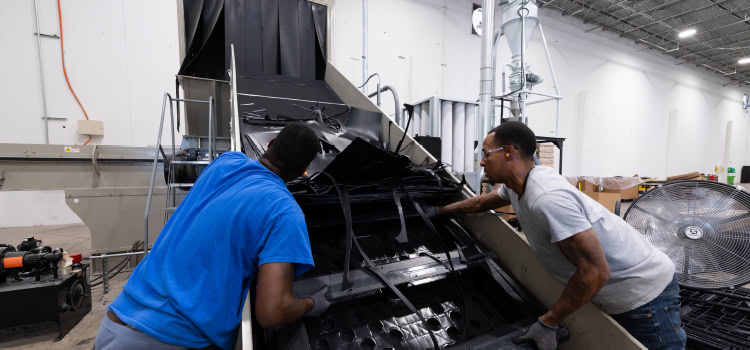
iGPS Logistics operates the nation’s largest pool of plastic pallets, which are recyclable and 35% lighter than wood alternatives. For every 100,000 iGPS pallets shipped, nearly 1,000 gallons of fuel are saved, and more than 20,000 pounds of greenhouse emissions are averted. iGPS pallets last an average of 100 trips vs. 25 for wood. Its iDepot model, in which pallets are inspected and returned to distribution, further reduces fuel consumption. iGPS has purchased or recycled hundreds of millions of pounds of post-consumer plastic to produce its pallets. According to an independent lifecycle analysis, iGPS pallets have 38% less impact on ozone depletion; 28% less impact on global warming; 36% less impact on smog production; and 40% less impact on ecotoxicity.
J.B. Hunt
www.jbhunt.com
By making improvements in three key areas—incorporating alternative-powered equipment into its fleet, expanding the use of biogenic fuels, and improving fuel economy—J.B. Hunt aims to reduce overall carbon-emission intensity by 32% by 2034. Currently, the company leads the industry in converting over-the-road highway freight to rail intermodal, reducing a shipment’s carbon footprint by an average of 60%. Its fleet, with an average truck age under three years, utilizes equipment with the latest emission-reduction technologies. The company also uses biodiesel and renewable diesel fuel and is evaluating renewable natural gas, hydrogen fuel cell vehicles, and battery electric trucks.
Jarrett
gojarrett.com
The centerpiece of Jarrett’s sustainability efforts is its newly opened 408,000-sq.-ft. warehouse facility in Wooster, Ohio—designed from the ground up for low-carbon operations. Upon completion of the rooftop solar installation later this year, the Wooster facility will become the largest fully solar-powered building in its county. The facility’s sustainability profile also includes a fully electric forklift fleet that eliminates on-site fossil fuel emissions from all material handling operations. Motion-sensor LED lighting throughout the facility ensures energy is consumed only when and where it is needed, while high R-value insulation reduces heating and cooling demands, lowering total energy consumption year-round.
Kenco
kencogroup.com
Kenco’s numerous sustainability efforts are aligned with the United Nations Sustainable Development Goals (UN SDGs) and deliver measurable results. In 2025, these included diverting 2,037 tons of waste from landfills through expanded recycling programs, reducing carbon intensity nearly 5% year over year while expanding operations, advancing electrification with 78% of material handling equipment now electric, and completing its first cycle of Scope 3 data reporting. Additionally, Kenco surpassed its goal of 80% LED coverage early, reaching 87% across leased warehouses, while select sites achieved a 30% reduction in kWh energy use following upgrades.
Kuehne+Nagel
kuehne-nagel.com
Using the Science-Based Targets initiative (SBTi) as it transitions to a low-carbon business model, Kuehne + Nagel is addressing CO2e reduction in all of its transport and logistics services worldwide. Its committed goal is to reduce absolute direct and indirect GHG emissions (scope 1, 2 and 3) by 33% by 2030 (from a 2019 base year). Kuehne + Nagel has also developed solutions to support its customers with their carbon-reduction journeys, including reporting that shows the CO2e emissions of various service loops, and adding biofuel solutions for ocean freight customers as well as sustainable aviation fuel offerings.
Landstar
www.landstar.com
Despite not controlling fuel-purchasing decisions within its owner-operator network, Landstar reduces carbon emissions by promoting technologies such as Load Alerts and Landstar Maximizer that help its beneficial cargo owners and brokerage carriers operate with greater carbon efficiency. Landstar also encourages the adoption of fuel-saving technologies by offering discounts on low-rolling resistance tires and auxiliary power units. In 2025, Landstar BCOs consumed 8.3 million fewer gallons of fuel than would have been required at 2015 efficiency levels. Within Landstar’s fleet of 13,784 owned trailers, nearly all are equipped with EPA-verified aerodynamic features and low-rolling-resistance tires.
Logistics Plus
logisticsplus.com
In 2021, Logistics Plus became the first logistics company to achieve Plastic Neutrality certification through Ocean Integrity’s Blue Ocean Program. The company has maintained that certification for five consecutive years, financing the collection of more than 3.5 million kilograms of ocean plastic waste—more than 100 times its own plastic footprint. The company also focuses on power efficiency: Its warehouses run on 99% electric forklifts, solar energy powers roughly 20% of its warehouse operations, and all facilities utilize LED lighting and energy-efficient electronics across its network.
Lufthansa Cargo
lufthansa-cargo.com
Thanks to fleet modernization over the past 25 years, Lufthansa Cargo has achieved a 52% reduction per tonne-kilometer transported (TKT) in CO2 emissions, and using its AeroSHARK technology and lightweight loading equipment, the company has saved 5,493 tons of kerosene per year. These initiatives are part of its commitment to using 50% less net CO2 by 2030 than it did in 2019, and achieving 100% CO2-neutrality by 2050. Lufthansa Cargo also operates the world’s only regular, full-charter freight connection that is 100% SAF-powered.
Lynden
www.lynden.com
Lynden has established a track record as an environmental leader, becoming the first Alaska-based transportation company to be recognized by SmartWay (2008) and the first trucking company to earn the Green Star Award for Alaskan businesses. Its fleets consistently score among the most efficient in the nation in terms of CO2 per ton mile, while its bulk tanker company consistently scores in the top 1% of tanker carriers in the nation for low carbon dioxide, nitrous oxide, and particulate matter emissions per ton mile. Lynden’s barge company was awarded the 2024 Sustainable Century Award from the Port of Seattle.
Maersk
www.maersk.com
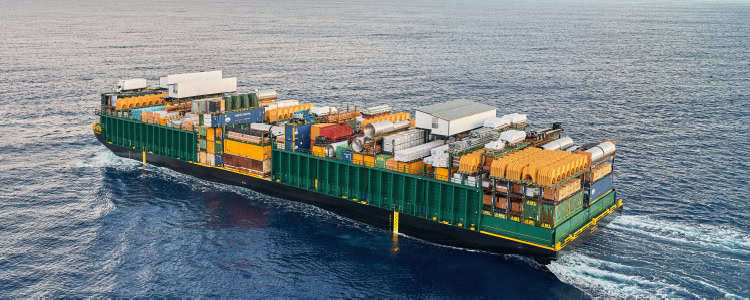
Across the globe, Maersk continues to put in place sustainable solutions such as a low-emissions fuel portfolio including a 50/50 ethanol-methanol blend, battery-electric vehicles including delivery vans and trucks, and a 64,000 square-meter rooftop solar plant and advanced cooling system at Maersk’s Logistics Park in Saudi Arabia. In 2025, the company added 10 new dual-fuel methanol vessels; deployed new electric truck services in Vietnam, Germany, and Peru; opened a new terminal in Croatia which is fully powered by renewable electricity; and made significant progress on its commitment to reach net-zero GHG emissions by 2040.
Marten Transport
www.marten.com
Marten Transport’s fuel-efficient fleet is supported by advanced aerodynamic equipment, optimized trailer design, and idle-reduction technologies. The company also utilizes solar panels at its 15 terminal facilities and on tractors and refrigerated trailers to supplement power needs and reduce fuel consumption. In addition, Marten has begun integrating zero- and lower-emission equipment into operations, including electric spotter trucks and compressed natural gas (CNG) vehicles within select dedicated fleets. Through third-party partnerships, Marten actively measures and manages greenhouse gas emissions, ensuring transparency and alignment with shipper sustainability goals.
Matson
www.matson.com
Matson’s sustainability efforts focus on reducing transportation emissions through investments in technology, improvements in vessel fuel consumption, choice of fuel type, and the development of more fuel-efficient transportation solutions. Its accomplishments include a 24% decrease in Scope 1 emissions from owned vehicles since 2016 and reduction of close to 80% in nitrogen oxide emissions from utilizing Tier 3 engines rather than Tier 1 engines on three of its vessels. The company is also investing $1 billion in three new LNG-ready vessels, which are expected to deliver in 2027 and 2028.
NFI
www.nfiindustries.com
Sustainability has been a long-term focus at NFI, beginning with investments in solar power and natural gas trucks. At its Ontario location, NFI utilizes 38 350kWh high-capacity chargers to support a fleet of 90 EVs, and in Virginia, it deploys 10 EVs. The company’s infrastructure footprint includes 57 total EV chargers, 6.6MW of solar power generation, and on-site energy storage. NFI also operates more than 100 electric day cabs, 25 electric yard tractors, and 11 renewable natural gas trucks, while continuing to test renewable fuels, biodiesel, hydrogen, and other emerging technologies. Within its warehouses, NFI operates an additional 150 battery-powered forklifts.
Norfolk Southern
norfolksouthern.com
Since naming the industry’s first chief sustainability officer in 2007, Norfolk Southern has continued to innovate and is currently the only freight railroad to offer customers verified carbon insetting certificates for supply chain emissions reduction. The company also developed a program to rebuild its locomotives, creating models that are modern and fuel efficient. At its intermodal facilities, the company is replacing diesel cranes with hybrid or fully electric models, with all diesels phased out in the next decade. And, by 2030, Norfolk Southern will increase by 30% its use of renewable energy to power offices and operating facilities.
Northwest Seaport Alliance
www.nwseaportalliance.com
With a goal of zero emissions by 2050, NWSA’s clean air programs have reduced diesel particulate matter emissions by over 90% since 2005. Upcoming plans include installing shore power at all major international container terminals by 2030 which will allow vessels to shut down their engines while at berth. To date, NWSA has installed shore power at two of five international container terminals. NWSA also operates six battery-electric yard tractors and one electric heavy-lift forklift and is supporting the first zero-emission truck charging hub in the gateway with zero-emission drayage trucks coming in early 2027.
ODW Logistics
odwlogistics.com
ODW Logistics’ sustainability efforts include prioritizing energy efficiency through LED lighting, equipment optimization, and facility enhancements at its distribution centers. Its pallet recycling programs have diverted more than 6,800 tons of waste from landfills and prevented more than 10,000 tons of CO2 emissions. Another key initiative is ODW’s retail consolidation solution, which improves transportation efficiency for shippers by combining multiple shipments and maximizing trailer utilization. ODW also supports customers’ sustainability goals by delivering solutions aligned with environmentally responsible practices and providing visibility into operational improvements.
Odyssey Logistics
www.odysseylogistics.com
By optimizing how freight moves through customer networks, Odyssey Logistics helps shippers reduce both emissions and costs. The company identifies network inefficiencies and minimizes unnecessary freight moves, resulting in an estimated annual reduction of more than 200 million kilograms of CO2 emissions and the optimization of more than 880 million freight miles to more sustainable transportation modes. Odyssey also maintains certifications from SmartWay, EcoVadis, and Together for Sustainability; follows the Responsible Care framework at five locations; and provides customers with real-time shipping emissions data through its CloverLeaf™ program.
ORBIS Corporation
www.orbiscorporation.com
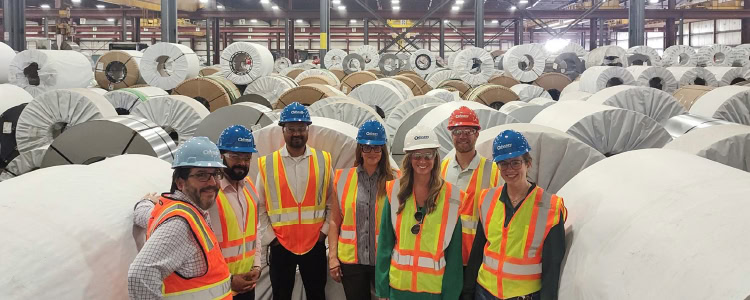
By eliminating single-use packaging and implementing reusable closed-loop systems, ORBIS helps transform supply chains into more sustainable operations. All ORBIS products are fully reusable, made of recyclable content, and recyclable at end of life. The company, which has earned third-party greenhouse gas certification, is also the largest consumer of post-consumer recycled (PCR) content in the industry and has used 2 billion pounds of recycled content since 2006. Through these efforts, ORBIS has helped avoid the output of 1.3 million metric tons of GHG, 1.24 billion gallons of water, and 60.1 million BTUs.
PECO Pallet
www.pecopallet.com
PECO’s pooled pallet network is designed to maximize reuse, repair, and recycling and supports a circular supply chain. Manufactured using responsibly sourced, SFI- and FSC-certified lumber, PECO’s reusable pallets conserve natural resources while lowering waste and greenhouse gas (GHG) emissions. In 2025, the company completed its first full lifecycle analysis, leveraging operational data to quantify environmental impacts across the pallet lifecycle. These insights now inform network optimization, strategic decision making, and long-term decarbonization planning. PECO also drives emissions reduction through optimized network design and transportation efficiency, utilizing more than 90 depots across North America.
Penske Logistics
www.penskelogistics.com
Penske Logistics is working to expand its portfolio of LEED certified facilities. The company spearheaded a redesign that earned a 102,000-square-foot warehouse for a quick service restaurant in Michigan a LEED Gold certification in 2025. The warehouse achieved a 41% reduction in indoor water use and 38% energy cost savings. Penske also uses renewable diesel in its dedicated contract operations and has integrated alternative energy vehicles into its workflows. In order to gauge the impact of driver behavior on emissions, Penske uses event-triggered onboard cameras that analyze driving patterns, including speed and idling. At the same time, the company is working to consolidate loads, minimize empty miles, and maximize truck utilization.
PITT OHIO
pittohio.com
In 2025, PITT OHIO deployed six new battery electric vehicles and supporting charging infrastructure at a major network depot. Half of its forklift fleet is now zero-emission, and two electric yard trucks added in the past 18 months have cut diesel consumption. Additionally, three of its six LEED facilities produce on-site renewable energy, with two pursuing recertification. The company also advances back-office sustainability through AI integration and improved processing efficiency, sharing industry knowledge on clean transportation through webinars and other speaking engagements. PITT OHIO’s efforts earned it the CSCMP Sustainable Supply Chain Award and NAFA Green Fleet “Special Project” Award in 2025.
Polaris Transportation Group
polaristransport.com
Polaris Transportation Group is piloting renewable diesel across select units to cut well-to-wheel GHG emissions and supporting owner operators through the Green Freight Program’s fuel-efficient retrofit rebates. On the infrastructure side, hybrid heat pump HVAC replacements and a smart thermostat system are trimming natural gas use and electricity demand. The company’s partially electrified forklift fleet has eliminated propane emissions from dock operations. Polaris maintains a full Scope 1, 2, and 3 GHG inventory with 2030 and 2050 reduction targets against a 2023 baseline. Additional initiatives include structured waste diversion, e-waste donation partnerships, ecological restoration, and a formal sustainable procurement policy.
Port of Los Angeles
www.portoflosangeles.org
The Port of Los Angeles has reduced diesel particulate matter emissions 91% and sulfur oxides 98% since 2005, even as cargo volume grew 15% over the same period. The most recent emissions inventory confirmed the Port achieved the lowest pollution per TEU of any port in the world. A $412 million EPA Clean Ports Program grant awarded in 2024, matched by $236 million from private sector partners, is funding the Port’s push toward 100% zero-emission terminal operations by 2030.

PSA BDP
psabdp.com
PSA BDP has benchmarked ESG performance through the EcoVadis platform since 2014. In 2025, the company scored 71/100 on the scorecard, placing it in the 88th percentile. This positioning represents a 15-point jump over the previous year, with improvement noted in all four assessment areas: environment, labor and human rights, ethics, and sustainable procurement. PSA BDP attributes much of this progress to the launch of its internal ESG Committee in 2025. The committee focuses on creating a stronger framework for ownership, reporting and continuous improvement. Additionally, the company’s Global Sustainability Team works across departments to ensure that sustainability claims are supported by evidence.
Raymond Corporation
www.raymondcorp.com
The Raymond Corporation manufactures a complete line of electric lift trucks designed to reduce energy consumption and on-site emissions in warehouse operations. In 2024, Raymond and Toyota Material Handling opened an Energy Solutions Manufacturing Center of Excellence, producing lithium-ion and thin plate pure lead batteries for both brands. Raymond has since expanded its lineup with new lithium-ion powered walkie stackers and a battery range delivering 17% productivity improvement over lead-acid alternatives. Select models recover energy back to the battery on every load lowered, reducing total consumption per pallet move.
Rinchem Company
rinchem.com
Across Rinchem Company’s warehouse network, 85% of forklifts are electric. The company has installed LED and motion-sensor lighting in 19 of its U.S. facilities, as well as solar panels in one facility. Just-in-time delivery models reduce excess inventory and miles, and reverse logistics support for returnable totes and drums limits plastic waste. Rinchem backs its operational efforts with verified GHG inventories covering Scope 1, 2, and 3 emissions and SBTi-approved near-term and net-zero targets, overseen by an ESG Committee that meets monthly to track progress.
RJW Logistics Group
rjwgroup.com
RJW Logistics Group’s retail consolidation model centralizes inventory in a single location and handles end-to-end retail logistics in-house, replacing 34 complex LTL shipments per load and eliminating 2.4 million LTL loads in 2025 alone. The result is fewer trucks, fewer stops, and lower diesel use. The company’s owned asset base means direct control over how freight moves, using fuel-efficient trucks with clean diesel technology and strict no-idle policies. Facilities run on LED motion-sensor lighting with battery-powered forklifts, and a recycling program for corrugate, wood, paper, and plastic diverts an average of 180 tons annually across its network.
Roehl Transport
roehltransport.com
Roehl Transport equips its trailers with skirts, tails, and low-rolling-resistence tires in order to reduce emissions. On refrigerated units, the company also uses automatic tire inflation systems and door switches to reduce idle. Trucks feature aerodynamic packages, wheel covers, battery management systems, and direct-fire heaters. Facilities use LED lighting in maintenance shops and yards, and drivers receive fuel efficiency training with MPG-based incentives.Roehl was a founding EPA SmartWay Partner in 2004. In 2025, Roehl earned a SmartWay High Performer distinction.
Romark Logistics
romarklogistics.com
Romark Logistics has deployed electric yard trucks with on-site charging infrastructure and lithium-ion material handling equipment across its network, eliminating on-site emissions from yard and warehouse operations. AI-driven energy monitoring, smart lighting, and real-time fleet optimization technology reduce facility consumption and idle time. Standardized recycling streams with balers and compactors support a network-wide push toward zero-landfill operations, alongside monitored water conservation programs. Monthly GHG tracking across Scope 1, 2, and 3 and a Science Based Targets commitment provide the accountability framework behind these efforts.
Ruan
ruan.com
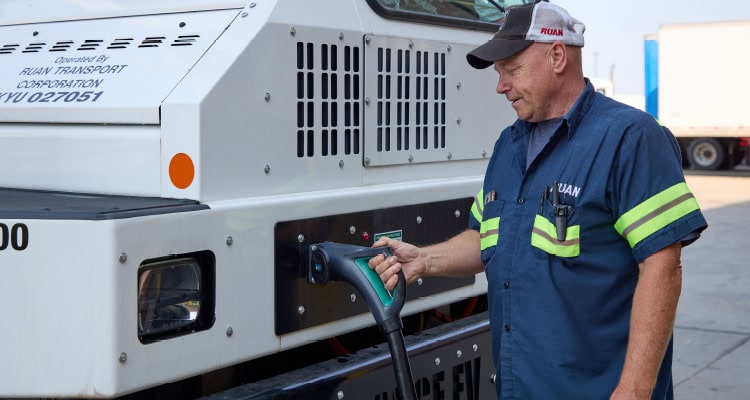
Ruan Transportation Management Systems operates 17 company-owned alternative fuel stations and has implemented CNG, RNG, biodiesel blends, and renewable hydrocarbon diesel across its fleet. Over 20% of its yard tractor fleet is now fully battery electric and deployed across customer operations in multiple states, logging 100,000 EV miles in 2025. Ruan has purchased biodiesel blends since 2014 and has expanded electric yard tractor deployments across 24/7 operations nationwide as part of a long-running effort to reduce fleet GHG emissions.
Ryder
www.ryder.com
Ryder discloses GHG emissions annually through its Corporate Sustainability Report and CDP response. Its RyderElectric+ program gives customers a turnkey path to fleet electrification, covering advisory services, vehicle sourcing, charging infrastructure, telematics, and maintenance. Ryder has set Scope 1 and 2 emissions intensity reduction targets and continues to expand alternative fuel options across its dedicated transportation and fleet management operations.
Saia
www.saia.com
Saia participated in the 2025 Run on Less program, providing real-world operational data on Tesla electric semi-trucks to demonstrate zero-emission equipment viability in an LTL network. The company deployed more than 100 alternative fuel vehicles in 2025, including electric tractors, CNG units powered by renewable natural gas, and biodiesel equipment. The initiative was supported by purchases of more than 3 million gallons of renewable fuels. Solar installations at select Saia facilities contribute renewable energy back to the grid. Across its 216-terminal, 48-state network, route optimization and network density improvements continue to reduce emissions alongside growth.
Scan Global Logistics
www.scangl.com
Scan Global Logistics’ Low Carbon Logistics solutions reduce customer emissions by 50–98% through sustainable aviation fuel, ocean biofuel, electrified trucking, and optimized routing. In 2025, customer adoption of these solutions drove a 664% increase in CO₂e reductions, while participation in Emission Reduction Roadmaps grew 333%. SGL holds SBTi-aligned science-based targets on a 1.5°C pathway and carries an EcoVadis Gold Medal, placing it among the top 5% of companies globally.
Schneider
schneider.com
Schneider operates one of the largest battery electric vehicle fleets in North America, boasting nearly 100 Freightliner eCascadias. In February 2026, it became the first major carrier to surpass 10 million zero-emission miles, reducing emissions by 33.5 million pounds of CO₂. That is equivalent to removing more than 13,000 gasoline-powered cars from the road for one year. All non-BEV tractors run on a biodiesel blend, and the company is expanding CNG and RNG use. As a leading intermodal provider, Schneider’s rail partnerships also give customers lower-carbon routing across the country. Investments in tractor aerodynamics, trailer drag reduction, and electric HVAC systems round out the company’s efficiency push.
Southeastern Freight Lines
sefl.com
Southeastern Freight Lines has improved fuel efficiency more than 12% since 2017, saving more than 23 million gallons of diesel over eight years. The company maintains young trade cycles across its fleet, with linehaul tractors averaging 3.3 years old and trailers averaging 9.9 years old. Since 2013, the company has generated more than 20,306 MWh of solar energy. LED lighting with occupancy and daylight harvesting sensors is deployed at its support center and 89 service centers. Rainwater harvesting at facilities in South Houston and Fort Lauderdale supports full-site irrigation while reducing stormwater runoff.
Total Quality Logistics
www.tql.com
TQL’s Empty Miles Reduction Program has eliminated more than 65 million empty miles since launching in 2021. The program uses technology and a 110,000-plus carrier network to match freight with nearby capacity. The company is targeting an additional 25% reduction by 2030. TQL’s Alternative Fuel Map helps carriers identify renewable diesel, biodiesel, natural gas, and hydrogen stations along key freight lanes. Free Scope 3 emissions reporting with lane-level insights gives shippers actionable data on emissions, empty miles, and carrier utilization. In 2025, its Moves that Matter program diverted more than 10 million pounds of food from landfills.
Union Pacific Railroad
up.com
Rail moves freight at up to 75% lower GHG emissions than trucks, and Union Pacific now moves a ton of freight 463 miles on a single gallon of diesel fuel. The company holds SBTi-approved targets to reduce absolute Scope 1, 2, and 3 emissions by 50.4% by 2030. Union Pacific became the first Class I railroad to join the Clean Fuels Alliance and is building six hybrid battery-electric locomotives in partnership with ZTR.
UPS
www.ups.com
In 2025, UPS powered 27.4% of its global facilities with renewable electricity, surpassing its 25% target. The company avoided approximately 1.4 million metric tons of CO₂ emissions through alternative fuel use across its roughly 125,000-vehicle fleet. It is pursuing carbon neutrality by 2050 through fleet electrification, renewable natural gas, renewable diesel, and facility energy efficiency. Customers can access shipment-level emissions data and decarbonization advisory services through UPS SmartEnergy Solutions.
WSI
wsinc.com
WSI holds an EcoVadis Silver rating, placing it in the top 15% of companies globally. Within its warehouse network, 46% of its lift trucks are electric powered. Progress across environment, labor and human rights, ethics, and sustainable procurement is tracked through a five-year sustainability plan. The company was the first 3PL certified as a Responsible Care Partner by the American Chemistry Council, a designation held since 2013. In 2025, WSI was named Responsible Care Partner of the Year for the second time, the program’s highest recognition.
Yale Lift Truck Technologies
yale.com
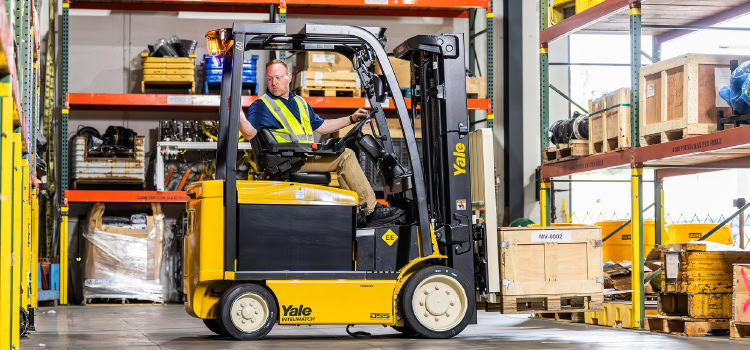
Yale Lift Truck Technologies focuses on electric equipment and advanced power solutions designed to cut energy consumption and emissions in warehouse operations. Its 2026 ERC45-70VG2 series, a redesigned cushion tire lift truck rated at 4,500 to 7,000 pounds capacity, reduces energy consumption up to 20% over the previous model. Across its lineup, factory-integrated lithium-ion powered trucks deliver zero tailpipe emissions, longer battery life, and faster charging than lead-acid alternatives, while requiring less maintenance than internal combustion engine equipment.
YMX Logistics
ymxlogistics.com
YMX Logistics targets yard operations as a decarbonization opportunity, managing the full transition from diesel to electric yard trucks for Fortune 500 customers. The company handles infrastructure planning and charging optimization. Its proprietary YMX OS platform uses data-driven route optimization to reduce equipment idling and fuel consumption, cutting NOₓ and PM2.5 emissions that directly affect air quality for site personnel. The company has secured $540,000 in CORE vouchers for California-based shippers to fund zero-emission equipment deployments.
Acronyms & Abbreviations
CNG: Compressed natural gas
CO₂e: Carbon dioxide or carbon dioxide equivalent
ESG: Environmental, social, and governance
EV: Electric vehicle
GHG: Greenhouse gas emissions
ISO: International Organization for Standardization
MPG: Miles per gallon
MTCO2/MTCO2e: Metric tons of carbon dioxide or carbon dioxide equivalent
NOx: Nitrogen oxides
PM: Particulate matter, also called particle pollution, e.g. PM2.5 are fine inhalable particles, with diameters that are 2.5 micrometers and smaller
RNG: Renewable natural gas
RPM: Revolutions per minute
SAF: Sustainable aviation fuels
SBTi: Science Based Targets initiative
SOx: Sulfur oxides
TCO: Total cost of ownership