
Heavy Haul At the U.S.–Mexico Border: What It Takes to Keep Complex Freight Moving
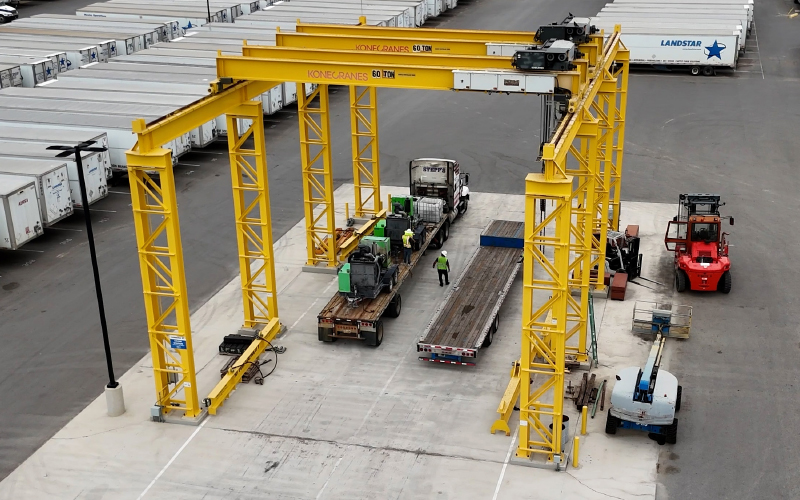
Cross-border heavy haul shipping requires coordination across regulations, infrastructure, and operational teams.
Transporting heavy haul freight introduces layers of consideration when shipments cross the U.S.–Mexico border. Each shipment has unique requirements—engineered routes, multi-jurisdictional permits, border infrastructure constraints, and insurance considerations.
For supply chain leaders, understanding what drives successful heavy haul execution can help reduce disruption and support more consistent outcomes.
Defining Heavy Haul Freight
Heavy haul freight exceeds legal road limits for size or weight and requires permitting and handling that takes these size and weight measurements into account.
In the United States, loads wider than 8.5 feet, taller than approximately 13.5–14 feet or heavier than 80,000 pounds typically qualify as oversize or overweight. In Mexico, width thresholds generally begin at 9.8 feet, with similar weight limits. Because multiple laws and authorities may govern a single move, accurate dimensions and weight details are critical from the start.
Route Engineering and Border Selection
Most cross-border heavy haul shipments require engineered routes. These routes account for structural clearances, roadway geometry, traffic planning, safety considerations, and compliance requirements.
Border infrastructure plays a key role. Not all ports of entry can accommodate heavy haul freight. In Laredo, oversized or overweight shipments are often routed through the Columbia bridge due to wider lanes and higher clearances. In addition, Mexico customs brokers are authorized to file entries only at certain ports, which can limit routing options if not addressed early.
Mexico regulations may also require carriers to follow approved corridors, particularly to avoid narrow roads or bridge restrictions in rural areas.
Permitting Across Two Countries
Heavy haul shipments require separate oversize or overweight permits for each U.S. state and for Mexico. Permit requirements vary and may include time-of-day restrictions, escort rules, and approved routes.
In Mexico, permitting is handled at the federal level and often requires engineered route surveys, especially for multistate movements. Permitting activity may pause during major holidays such as Christmas and Holy Week.
Providing complete cargo information including dimensions, weight, schematics, photos, and hazmat details supports timely approvals.
Customs, Insurance, and Cross-Border Execution
Early involvement of a Mexico customs broker supports accurate documentation, proper classification, and coordination with authorities at the selected port of entry.
Insurance verification is also essential. Mexican carriers are not legally required to carry cargo liability insurance, and most U.S. cargo policies do not extend coverage into Mexico. Supplemental Mexico-capable cargo insurance is commonly recommended for high-value or oversized freight.
Heavy haul freight can cross the border via transloading or direct trailer service. Landstar supports both options. The company’s Laredo facility features a 120-ton bridge crane (pictured) and direct trailer service is supported by more than 270 interchange agreements.
Experience That Supports Complex Freight
Cross-border heavy haul shipping requires coordination across regulations, infrastructure, and operational teams. Landstar brings decades of experience managing complex freight between the United States and Mexico, supported by CTPAT-validated operations, bilingual teams, and a network built to support safety, security, and service.

To learn more:
Solutions@landstar.com
www.Landstar.com